The Home Office has vowed to introduce new “border-free and legal” routes for refugees to come to Britain from the end of this year.
The department said it would allow organizations such as universities, community groups and businesses to sponsor refugees applying to come to Britain, a model based on Canada’s asylum system.
with new En route, the government said it would push for changes to the way human rights and modern slavery laws are applied to asylum applications in order to root out it. These have been described as “disturbing” claims.
In response, conservatives said that no additional people should be allowed into the country until illegal immigration was stopped.
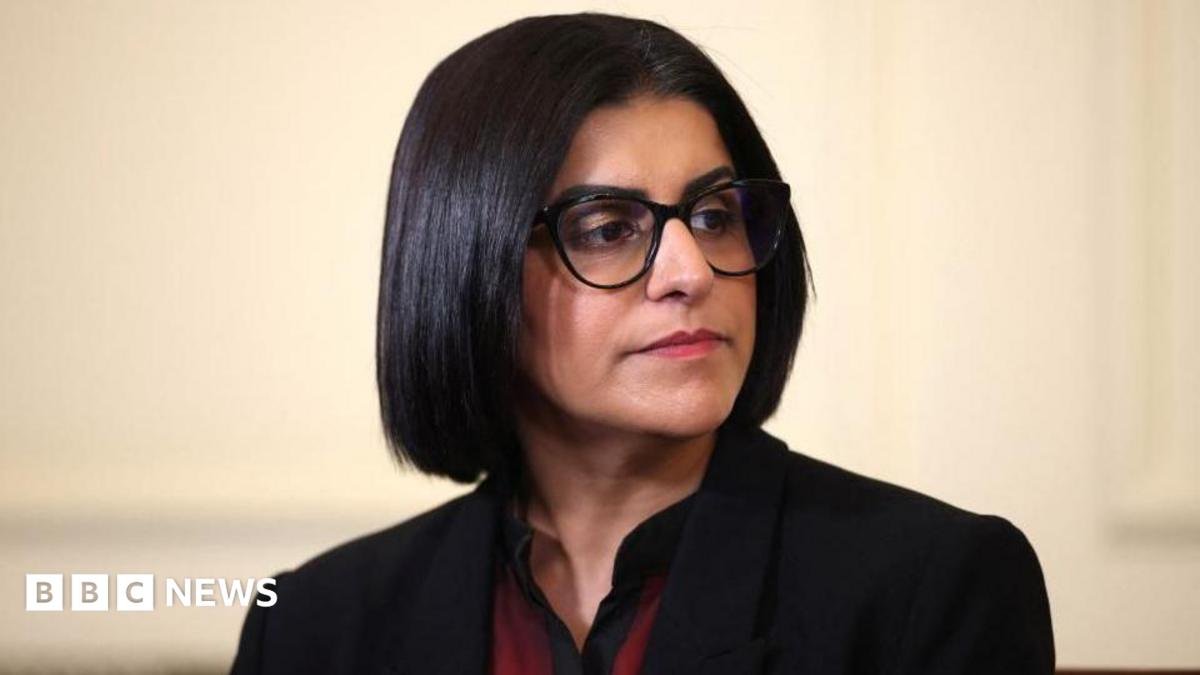
Home Secretary Shabana Mahmood said the new system would protect “genuine refugees” while “closing loopholes that are often abused”.
“Britain has always provided refuge to those fleeing war and persecution,” he said.
“But the system only survives if the public has confidence that it is fair, controlled and not open to abuse.”
Mahmood is attempting to garner support for his immigration bill ahead of Andy Burnham’s bid to become Prime Minister. It is set to be put before the Commons next week and its more radical elements may be opposed by some Labor MPs.
Earlier this year, he took inspiration from Denmark’s overhaul of its asylum system, which gave refugees only temporary protection and doubled the time migrants had to wait to gain permanent residence.
The reforms have angered some in Labor who believe there should be safer and legal routes to the UK to help prevent small boat crossings.
The latest measures announced Friday night are based on Canada’s Community Sponsorship Plan, which has successfully resettled nearly 400,000 refugees since it began in 1979.
In Canada, according to the Home Office, 70% of sponsored refugees find work within a year – which is 30% higher than those resettled through government schemes.
There are already a relatively small number of refugees in the UK who are sponsored into communities under the UK Resettlement Scheme (UKRS), but the Home Office said that “the vast majority” Were supported by local councils.
The government is under pressure to reduce the number of asylum seekers housed in hotels at taxpayers’ expense, while the influx of illegal small boats has also reduced public confidence in the asylum system.
The new routes will allow a larger number of organizations, including “trusted universities”, to support visitors. and community groups such as churches – although the full scope of which groups will be accepted is unclear.
These organizations will be responsible for providing assistance to refugees in finding housing and work.
The Government will work with the UN High Commission for Refugees to establish eligibility – and background checks will be carried out before refugees come to Britain.
The Home Office said it expected to open the refugee work route next year, allowing employers to sponsor refugees.
Applications for the university route are due to open later this year, with first arrivals in 2027.
The government did not say how many people would be allowed under the new routes, but said it would be capped and starting from a lower base – And once fully established it will “operate at a much higher capacity” than UKRS.
It also said that the Home Office would control which organizations could provide sponsorship and that all applicants would be rigorously vetted.
Conservative Shadow Home Secretary Chris Philip said that until illegal migration was reduced to zero, “we should not send any additional people on ‘humanitarian grounds'”.
He said the measures would “not stop the boats” and accused Labor of supporting “open borders”.
As well as opening new routes into Britain for refugees, the Home Office said it would crack down on fraudulent asylum claims.
Ministers are under pressure from some on the right to leave the European Convention on Human Rights (ECHR) over concerns about appeals under Article 8, which guarantees the right to a family life, against rejected asylum applications.
The Home Office stressed that ECHR membership is “strongly in our national interest, particularly at a time of geographical instability” but said it would tighten the definition of family, meaning an immediate family member.
Changes are also being planned to the way the Modern Slavery Act is enforced, including removing the right to protection for any foreign national who has received a custodial sentence, or where there is evidence that documents have been forged.
The latest announcement on Britain’s asylum policy comes as the Home Secretary clashed with his junior minister Mike Tapp.
He used a Times article to argue that foreign care workers should be exempted from the Home Secretary’s plans to change visa rules for migrants already living in Britain in the upcoming immigration bill.
Mahmood requested that Tapp be sacked but Prime Minister Sir Keir Starmer rejected him.
<a href