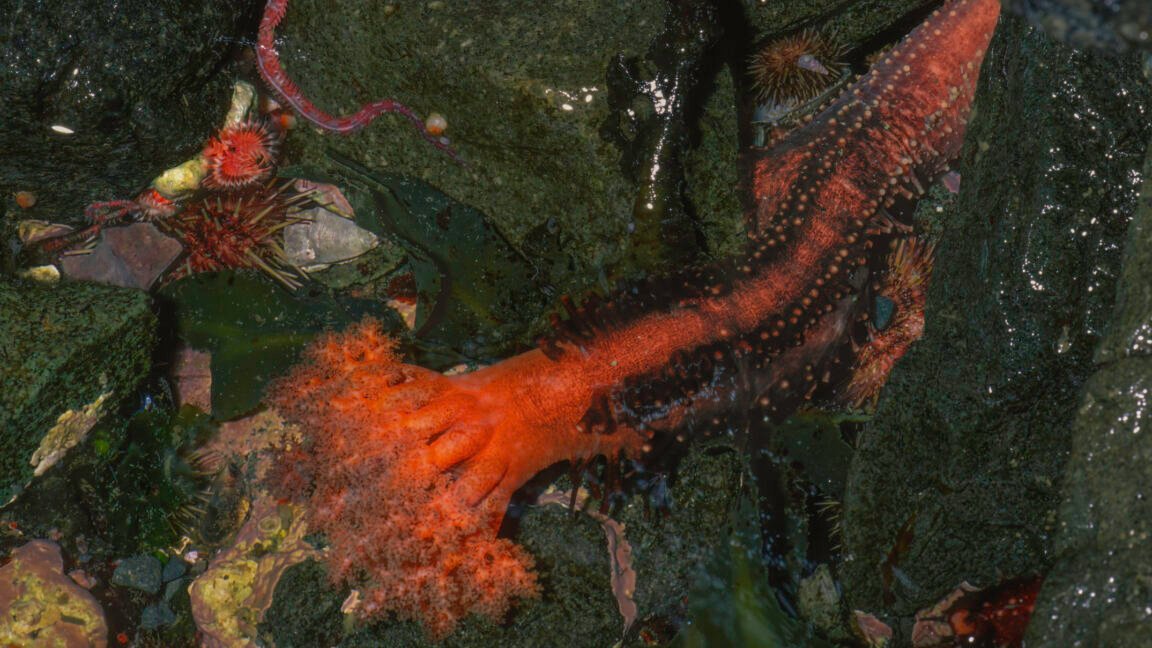
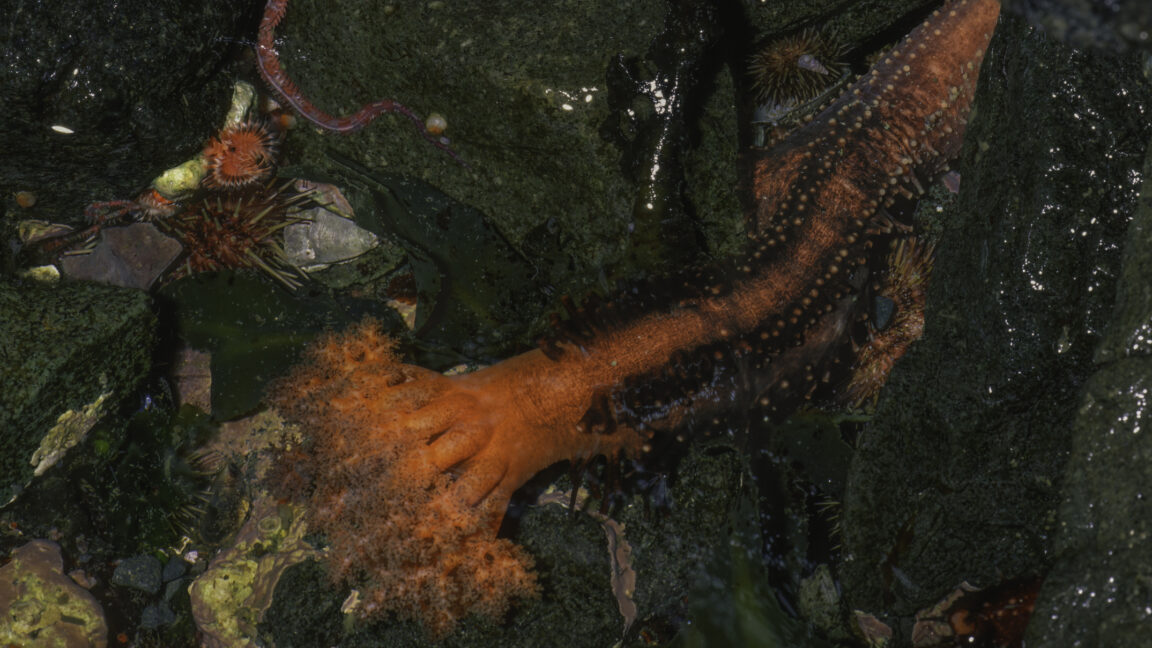
The team also found that, as far as we know, the immortality of harvested tissues is unique. P. Fabrici. The researchers conducted comparative experiments on explanted tissues from related sea cucumber species, and none showed equivalent tissue existence.
zombie cucumbers
In 1951, doctors at Johns Hopkins Hospital in Baltimore took a sample of a malignant cervical tumor from Henrietta Lacks, a 31-year-old mother of five. When they later cultured these cells, they noticed that they doubled every 24 hours in a never-ending cycle. HeLa cells, named after the patient, were the first example of cell immortality discovered in humans. “It revolutionized cell biology and a lot of medical research,” Jobson says.
However, HeLa was only a single cell type. LiPfe provides a new experimental model that enables scientists to work with a structured piece of animal tissue that maintains its immune activity, cell cycling and nutrient intake without the ethical concerns that come with experimentation on live animals. “On the evolutionary tree, sea cucumbers are relatively close to mammals, and they are already known to have the potential for interdisciplinary research,” Jobson said.
The study authors also point out that finding naturally immortal complex tissues challenges our traditional notions of what it actually means to be alive. “The question we often get is, ‘Are these tissues really alive?’ And this is where it gets kind of philosophical – we lovingly call them zombies,” Jobson said.
LiPfe explants are not dead because their tissue does not rot or degrade, and it absorbs nutrients. LiPfe orbs, on the other hand, do not reproduce, and reproduction is one of the fundamental characteristics of life. “They are not evolving into a new sea cucumber, but rather reorganizing into a form that is best suited to them in their current state,” Jobson said. “So, they seem to function as a whole new entity.”
Before solving philosophical dilemmas about LiPfe, the team first wants to understand the basics. The first question is how tissue immortalization occurs P. Fabrici Really works. “Is there something unique, rare, weird that we haven’t seen in other sea cucumbers that enables them to do this?” Jobson was surprised. The second question is why it exists in the first place – does this ability have any evolutionary role or is it actually a byproduct of high regenerative capacity.
Ultimately, we still don’t know how long P. Fabrici Truly alive with their immortal tissues. “That’s a good question,” Jobson said. “Unfortunately, there are very few tools that work to extend the lifespan of sea cucumbers.”
Science Advances, 2026. DOI: 10.1126/sciadv.aeb1394
<a href