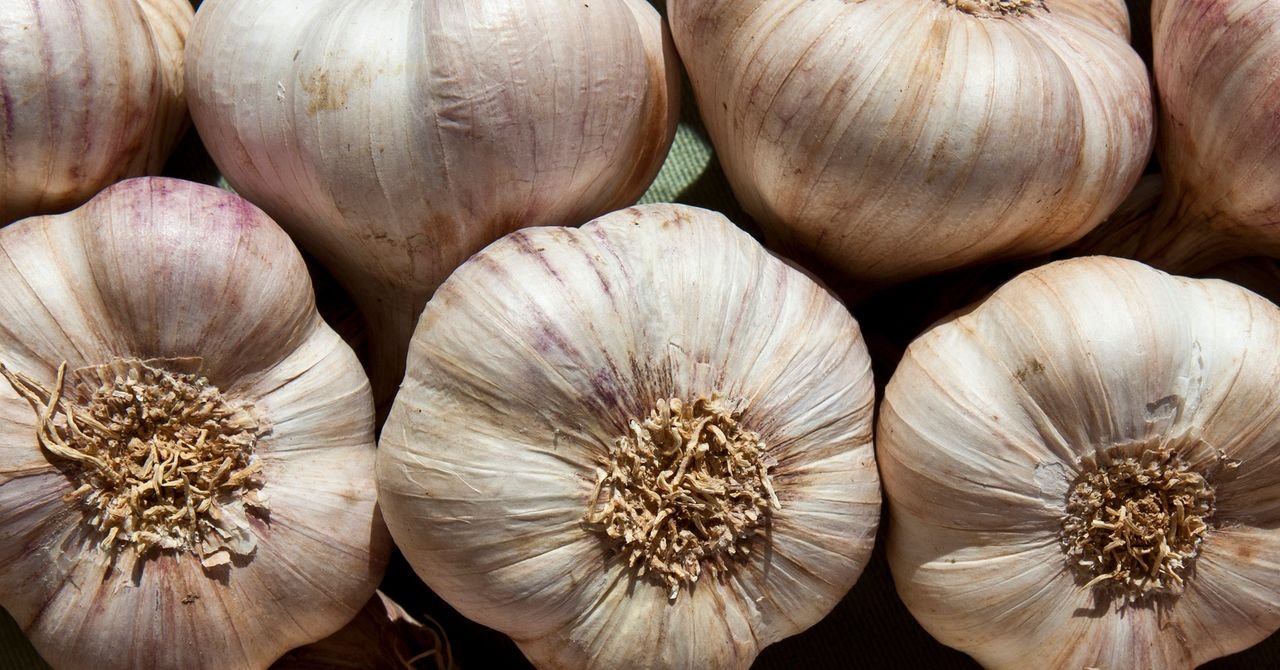
A group of scientists at Yale University conducted a phytochemical analysis of 43 fruits and vegetables to identify natural compounds capable of interfering with the reproductive behavior of flying insects. To do this, the team used fruit flies as a model organism, a species that often copulate over food.
Based on this behavior, researchers speculated that some fruits and vegetables may contain substances that may be able to alter the reproductive processes of these insects. After exposing them to various samples of mashed food included in the experiment, they observed that none of the products had any significant aphrodisiac effect. However, they found that garlic completely blocked mating and egg laying.
After this initial discovery, researchers tried to determine the source of the effect and focused their attention on the effects of garlic on the flies’ senses of taste and smell. For this purpose, he conducted two experiments. First, they placed the garlic puree in such a way that the insects could only smell it; In another, he allowed them to taste it too. The results showed that taste was the factor that actually inhibited reproductive behavior.
The team then chemically analyzed the garlic to identify the compound responsible for the effect. They determined that diallyl disulfide was the element that caused the inhibition. In practice, this substance acts on a sensory receptor present in the fly’s taste organs, known as TrpA1.
The TrpA1 receptor acts as a sensor that triggers an immediate rejection response upon detecting a potentially noxious taste. According to an article published in the journal Cell, garlic specifically activates a group of bitter taste-sensitive neurons containing this receptor. This activation not only stimulates the physiological avoidance response but also causes changes at the molecular level by modulating the expression of various genes.
Among the changes identified, a gene closely related to the sensation of satiety emerged, which suggests that exposure to garlic compounds directly interferes with biological processes that regulate appetite and eating in these insects. The authors believe that increased satiety motivates behaviors that limit mating and reproduction, primarily in women.
A natural repellent for many species
In addition to fruit flies, the experiments were also repeated on other flying insects, including two species of mosquitoes that spread diseases such as yellow fever, dengue and Zika virus, as well as tsetse flies. In all cases, trials showed that garlic could act as an effective remedy to discourage reproduction.
The researchers’ findings show that this plant, allium sativum, It can be used as a tool to control various pests harmful to both human health and agriculture.
“It’s cheap and grown all over the world,” said John Carlson, a Yale professor and co-author of the study. “The idea of using it to keep away hematophagous creatures was proposed by Bram Stoker in 1897 in his novel DraculaAnd maybe he was right.
This story originally appeared on WIRED en Español and is translated from Spanish.
<a href