There was no mention of that history in the authority’s announcement that it would take a Department of Energy grant and spend $48 million more on upgrades. The cash flow will give the plant several more years of operation, Oklahoma Watch reported.
“Extending the life of Unit 2 represents the most cost-effective solution for GRDA compared to new generation alternatives,” Dan Sullivan, the authority’s president and CEO, said in a statement. “This grant allows us to leverage existing infrastructure to provide affordable and reliable electricity to GRADA customers in the future.”
Meanwhile, Duke Energy proposed in December 2025 to retire Roxboro’s coal units by 2034. Norton said that has not changed and the grant will maintain reliability while the utility invests in future projects.
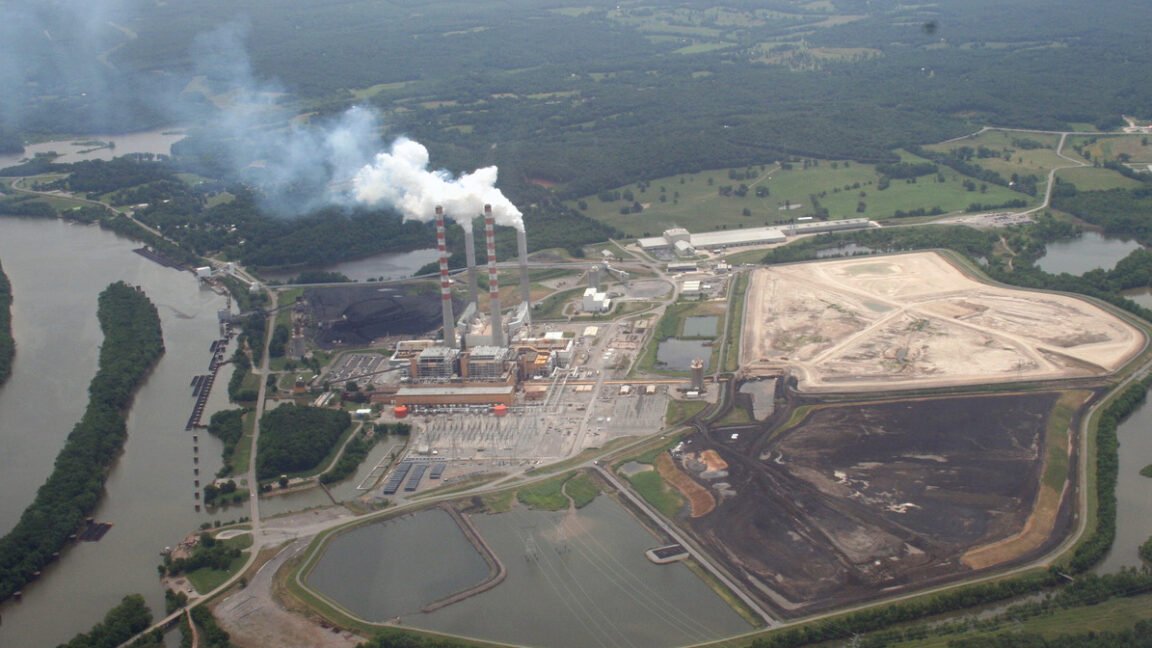
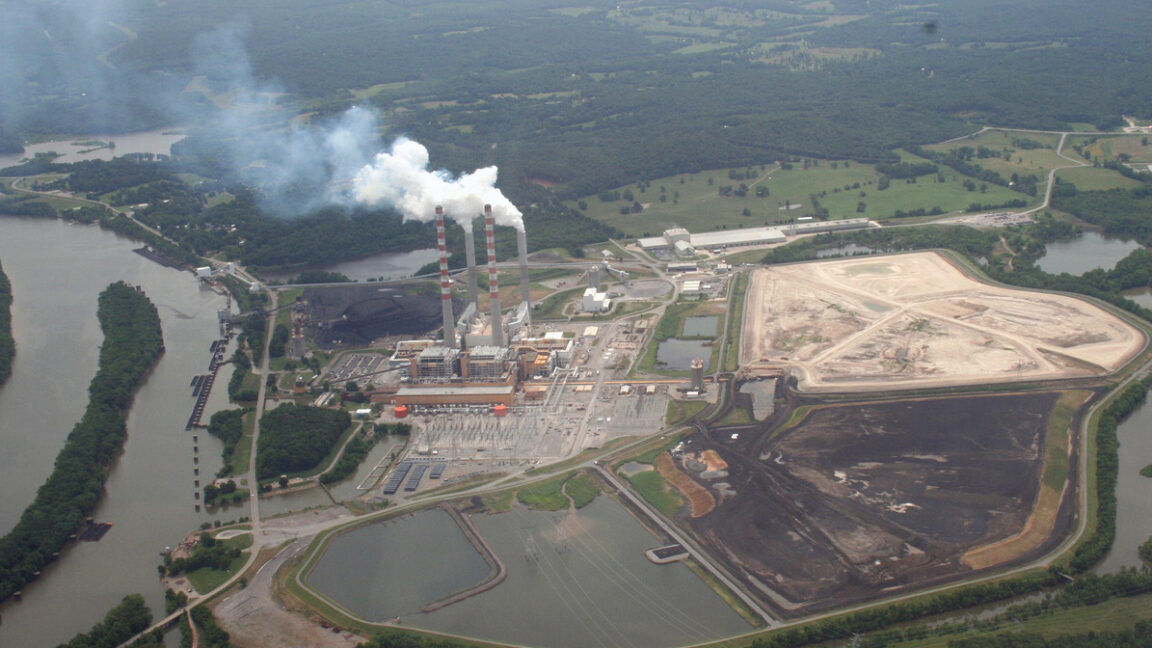
When TVA outlined its plan to phase out the 50-year-old Cumberland plant, it noted “environmental, economic and reliability risks” at its coal facilities. Keeping Cumberland running, the utility said, “will continue to produce relatively large amounts of air pollutants.”
The utility, which is federally owned, reversed course in 2025 after Trump replaced four TVA board members. TVA’s chief financial officer, Tom Rice, praised “beautiful, clean coal” at a February board meeting, repeating Trump’s trademark energy slogan.
Shober of the Southern Coalition for Clean Energy criticized the decision, saying it was a “tit-for-tat revenge” that would “cause serious injury and harm to TVA’s customers, including those who live in the Tennessee Valley.”
TVA spokesman Fiedler said the Trump administration’s coal incentives are consistent with TVA’s reliability goals.
In January, TVA estimated it would need a $738 million investment to keep the plant at current regulatory standards, according to internal documents obtained by the Southern Environmental Law Center through a public records request and reviewed by Inside Climate News. This is more than six times the size of the project listed in the federal grant announcement. Nevertheless, the board claimed that the move would ultimately save money.
King of the Southern Environmental Law Center is skeptical. He said TVA’s plan for Cumberland means its customers “will have to foot the bill for projects that many of them did not want.”
Sellers, an environmental history professor, said the Trump administration’s willingness to invest in the plants is “making pollution great again.”
“We’re going to pay the price for it,” he said. “Certainly, the people living next to those plants are going to pay the price first and most severely.”
This article originally appeared on Inside Climate News, a nonprofit, nonpartisan news organization covering climate, energy and the environment. Sign up for their newsletter here.
<a href