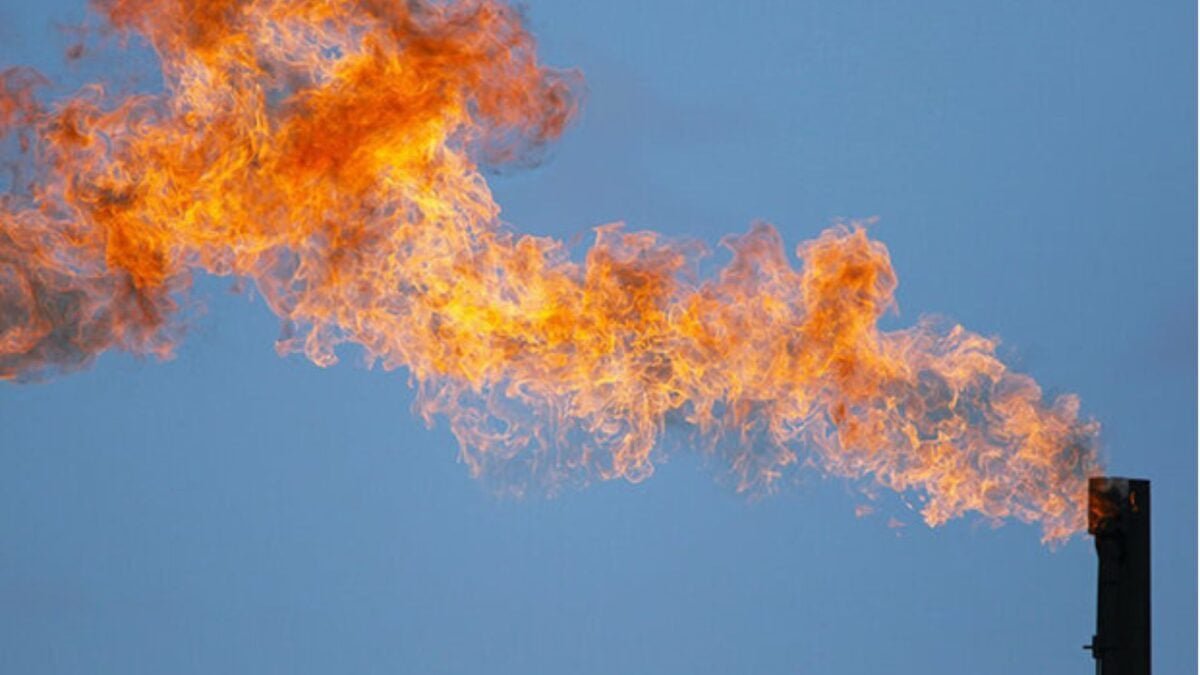
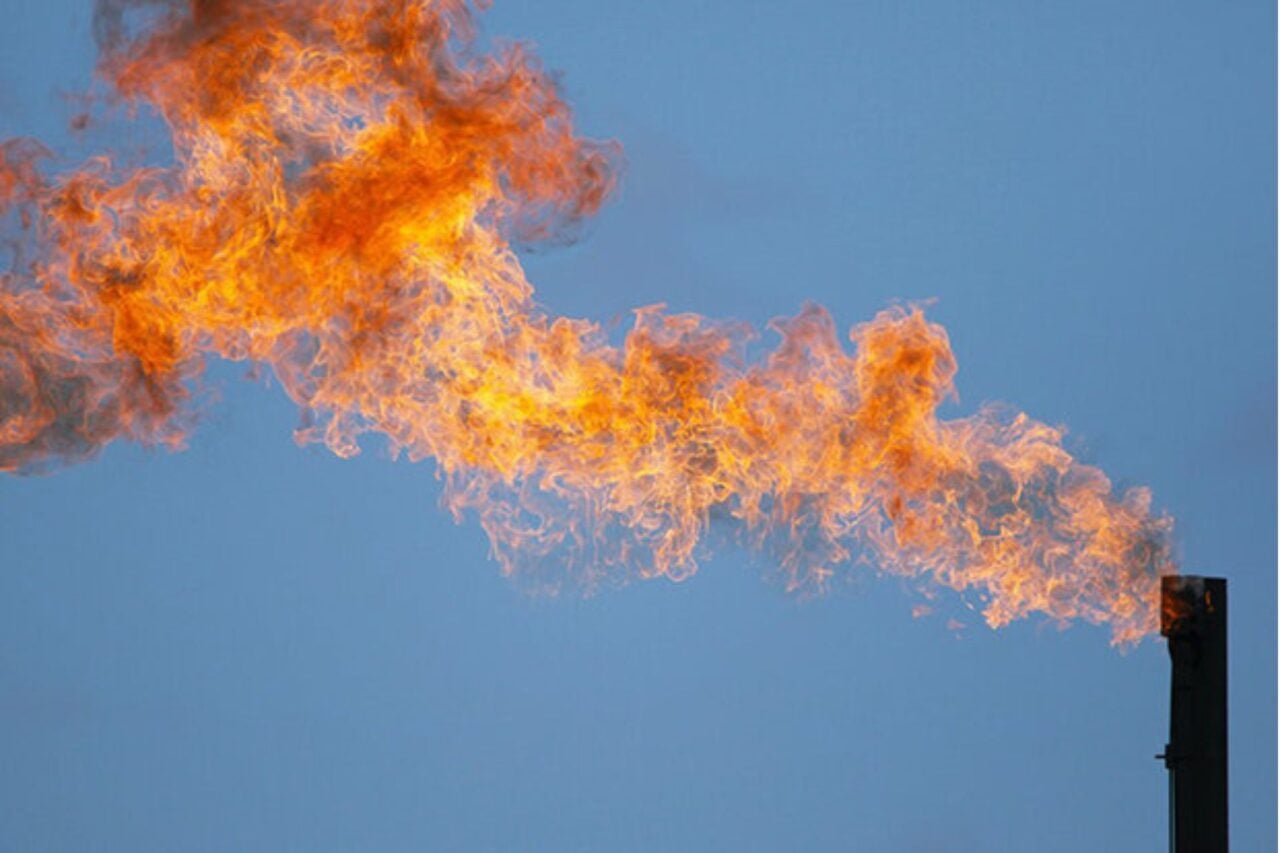
The International Energy Agency’s Global Methane Tracker 2026 report, published on Monday, estimates that oil, gas and coal production – which reached record levels in 2025 – emits 124 million metric tons of methane per year. Using those emissions could provide the global energy sector with more than 7 trillion cubic feet (200 billion cubic metres) of natural gas annually.
The IEA acknowledges that it will take time to build the equipment and infrastructure needed to achieve additional facilities on this scale, but the potential exists. The report said that in the near term, about 530 billion cubic feet (15 billion cubic metres) of natural gas could become available in markets “very quickly” if importing countries and select countries with excess existing export capacity implement easily accessible methane reduction measures in their gas systems.
wasting a valuable resource
Methane is one of the most powerful greenhouse gases, with a global warming potential about 30 times greater than that of CO2 over a 100-year period. It is also the primary component of natural gas, a highly valued and heavily traded global fuel commodity.
The extraction and processing of fossil fuels spews vast amounts of methane into the atmosphere, increasing global temperatures and wasting a resource that could be converted into natural gas. Tackling these emissions would greatly help mitigate climate change and strengthen global energy security, and there is an urgent need to do both.
The war in Iran has created a global fossil fuel energy crisis. According to the IEA, the effective closure of the Strait of Hormuz has eliminated approximately 20% of global liquefied natural gas supplies from the market. It said the long-term natural gas growth outlined in the report would be double the cut in supply volume caused by the shutdown.
“This is not just a climate issue: tackling methane and flaring could also have major energy security benefits, especially at a time when the world is urgently looking for additional supply amid the current crisis,” Tim Gould, the IEA’s chief energy economist, said in a statement.
How to harness methane emissions?
Of course, if capturing the fossil fuel industry’s waste methane were no easy task, we would already be doing it. According to the Environmental Protection Agency, there are several reasons why efforts to exploit and profitably utilize this resource are not widespread throughout the industry.
For one, methane emissions are a byproduct of the industrial process and historically have not been viewed as an energy resource in their own right. Emitters may not be familiar with the technologies available for methane recovery or the potential for profitable recovery projects, particularly in developing countries. Furthermore, many energy markets have failed to incentivize investment in methane recovery.
Despite all this, the IEA report makes a case for deploying vapor-recovery units to capture low-pressure methane flows from fossil fuel extraction and processing facilities. Based on average energy prices in 2025, the IEA claims that about 30% of methane emissions from fossil fuels could be reduced at no cost with existing technology, as the market value of captured gas would exceed the capital and operating costs required for reductions.
“The economy looks even more attractive in 2026, as fuel prices remain under upward pressure due to the conflict in the Middle East,” the report said.
Whether the current fuel crisis will ultimately motivate the fossil fuel industry to make good use of its methane emissions remains to be seen. What is clear is that the tools to do this already exist, and the risks to both climate and energy security have never been greater.
<a href