

flood of artificial content
Social media was once hailed as the great democratizer of information. It promised a world where anyone could share their voice, connect with like-minded communities, and find authentic human perspectives. But the scenario looks very different in 2025. Social platforms are drowning in a flood of Generative AI (GenAI) content—articles, images, videos, and even entire conversations on an industrial scale. The result is a noisy ocean of sameness, where real human voices struggle to be heard.
Over the years, one can track the slow decline of social platforms: from algorithmic manipulation and advertising overload to bot armies, political polarization and the prioritization of engagement over truth. Yet, the explosion of AI-generated content has dramatically accelerated this decline. Instead of scrolling for connections, users now find themselves wading through endless streams of repetitive, shallow, or completely meaningless content. This is not just a temporary nuisance. This signals the death of social media as we know it. And in this environment, an old technology – long considered obsolete – emerges as a savior: RSS, or Really Simple Syndication. RSS offers a way out of the algorithmic maze, a return to authenticity, and a chance to regain control over the information we consume.
This article explains why AI-generated content is destroying social media, how RSS provides a viable and elegant solution, and why now might be the right time to revive this forgotten technology.
AI content flood
Generative AI has reduced the barrier to content creation to almost zero. What once required hours to write, design, or edit can now be created in a matter of seconds. Tools like ChatGPT, MidJourney, and Runway quickly create polished text, stunning visuals, and engaging videos. It is revolutionary in some ways, but destructive in others. The problem is in scale. When someone—or a bot—can publish unlimited content at no cost, the supply of information skyrockets, but human attention spans remain limited. The inevitable result is oversaturation, endlessness A flood of low-value content that drowns out everything else.
AI-generated articles and posts often seem competent, but they rarely seem lively. They imitate human style but lack human depth. After reading a dozen AI-written articles, a pattern emerges: similar phrases, repetitive structures, and predictable conclusions. The Internet is brimming with machine-generated déjà vu. For readers, this creates fatigue in encountering the same type of content repeatedly, as well as a loss of trust as it becomes difficult to distinguish genuine human thought from automated output.
The way social media algorithms work is exacerbating this problem. They don’t care about authenticity; They care about engagement. AI-generated content, Designed to click and shareFits well into their goals. As more content is produced, algorithms amplify things that trigger emotions or instant interactions, even if they are shallow, manipulative, or misleading. AI makes it Clickbait is cheap to produceAnd social media ensures that it spreads faster than ever. For creators, it’s crushing. Human-generated articles, videos or posts now compete with endless waves of machine-generated content. Listeners can barely tell the difference, and many don’t care anymore. The result is the suffocation of authentic voices. To users, the platforms seem less personal, less inspiring, and less trustworthy. Social media promised community, but now all we get is poor content.
social media death circle
The downfall of social media didn’t start with AI. Cracks have been visible for more than a decade. The platform has increasingly prioritized advertisers over users, leading to advertising overload on the feed. Algorithms replace user choice automated curation. Fake news and bots undermine trust. Excessive use was associated with anxiety, depression, and polarization. Yet now, a flood of AI content accelerates this process. If every scroll reveals machine-written posts, AI art clones, or synthetic influencers, the value of the platform diminishes even further. People log in less, engagement goes down and the feedback loop gets worse.
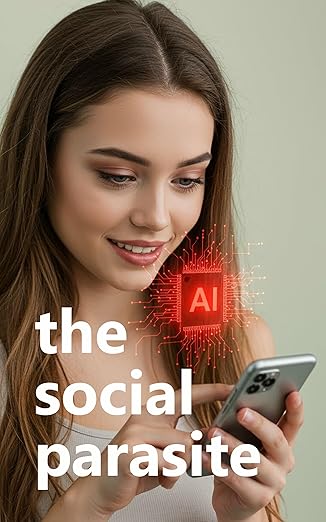
At the root of this decline is the decline of authenticity. The main appeal of social media was its human connection, the ease of sharing real moments by real people. But with AI content dominating the feed, that connection has weakened. Imagine logging into Instagram and seeing 90 percent AI-generated fashion shoots, travel photos or influencer avatars. Or scrolling through Twitter/X and finding endless AI-written hot takes. The magic of human unpredictability disappears. Platforms have also been trapped by their reliance on advertising. Ads depend on user trust and engagement, but as feeds become indistinguishable from AI slush, users become alienated and advertisers see diminishing returns. The result is a death spiral: platforms work harder to monetize while driving users further away. This is the path we are on, and it points to the death of social media as we knew it.
Forgotten Solution – RSS
RSS, or Really Simple Syndication, is a Old technology from the early web. At its core, it is a feed format that allows websites to Publish updates that users can subscribe to. Instead of visiting each site individually, you can aggregate updates into a single Reader app. Think of it as an inbox for the Internet. While RSS was popular in the blogging era of the 2000s, it faded as social media became dominant. But now, in the era of the flood of AI content, it may perfect antidote.
The benefits of RSS are amazing. With RSS, You subscribe directly to websites, blogs or news outletsdoes not make sense The middleman algorithm decides what you see. By compiling your own sources, you can focus on human-written blogs, company press releases, or reliable outlets. Most feeds provide clean content without injected ads or monitoring. Updates appear instantly in your reader, often faster than social media platforms. Most of all, RSS returns control to the user. You decide which voices matter, without any algorithms to filter or manipulate your feed.
Unlike social feeds, where there is a flood of AI-generated spam, RSS allows you to deliberately choose human sources. If you want updates from your favorite indie journalist, you simply add their blog feed. If you want company news straight from the source, subscribe to their press release feed. The result is a curated, personalized feed of authentic voices. In other words, RSS restores the signal-to-noise ratio.
Testing Tools – Finding the Right RSS Reader
Despite its age, the RSS never disappeared. Many apps and services still support it, some paid, some free, some open source. During my own exploration, I tested several RSS reader apps. Most worked, but one stood out: the feeder.

Feeder is free, lightweight, and refreshingly simple. Unlike bloated apps or paid services, it focuses on what matters. There are no distracting ads, just content. It works on phones and desktops and provides seamless usage. Transparency is another key benefit—it’s open source on GitHub, which means you can audit what it does. Notifications, search, folders, and syncing all work smoothly. It does not attempt to reinvent RSS; It simply implements it. In a time where transparency and trust matter, the open-source nature of Feeder is a big plus.
Of course, feeders aren’t the only option. Other strong contenders include Feedly, InoReader, and NetNewswire. But the feeder reflects the spirit of RSS: freedom, simplicity, and user control.
Why does RSS matter now more than ever?
AI-powered social media thrives on the removal of choice. It decides what you watch, when you watch it, and how you feel about it. RSS flips the script. You decide your sources. You create your own information ecosystem. Instead of waiting for an article to appear on Twitter/X or Facebook – filtered by algorithms, distorted by ads – you get it straight from the source, with no delay, no manipulation and no one in between.
By subscribing directly to human creators—bloggers, journalists, thinkers—you bypass the noise and support authenticity. It’s hard to find these voices on AI-clogged platforms, but with RSS, they come straight to you. With RSS, there is no hidden data mining, no invisible AI effects. Just a feed of your chosen content, delivered locally. In a digital world plagued by hidden algorithms, this transparency is refreshing.
future of information consumption
Social media won’t disappear overnight, but its role is changing. For many people, it will be become background noiseA Anarchic carnival of AI bots Shouting into the void. Platforms may survive as entertainment machines, but their credibility as a source of authentic human insight is gone. The early Web was decentralized, built on blogs, forums, and personal sites. Social media centralized everything, but at a great cost. RSS provides a way back: decentralized, user-driven, and authentic. Instead of a feed controlled by one corporation, each person creates their own.
In the age of infinite AI content, curation has become the most valuable task. RSS empowers individuals to create their own feed. Instead of passively scrolling, we actively select. We choose instead to drown.
Conclusion: From Death to Rebirth
Social media as we knew it is ending – not because humans have lost interest in sharing, but because machines have overwhelmed the system. Generative AI has flooded platforms with repetitive, shallow and manipulative content. Algorithms add noise. Authenticity disappears.
But from this collapse emerges an opportunity: the rebirth of the RSS. This old, simple technique empowers us to reclaim control, cut out the middlemen, and reconnect with real human voices. Tools like Feeder make it accessible again, providing a clean, ad-free, transparent feed of the most important content.
The future of information consumption may not be algorithm-driven feeds but self-curated, human-centered inboxes of authenticity. The death of social media could be the beginning of something better: a renaissance of the open web. RSS is not just old memories. It is a survival tool in the era of AI content flood. And the sooner we embrace this, the sooner we can recapture the joy of consuming information that feels truly human.
By the way, here’s my own RSS blog feed!
<a href