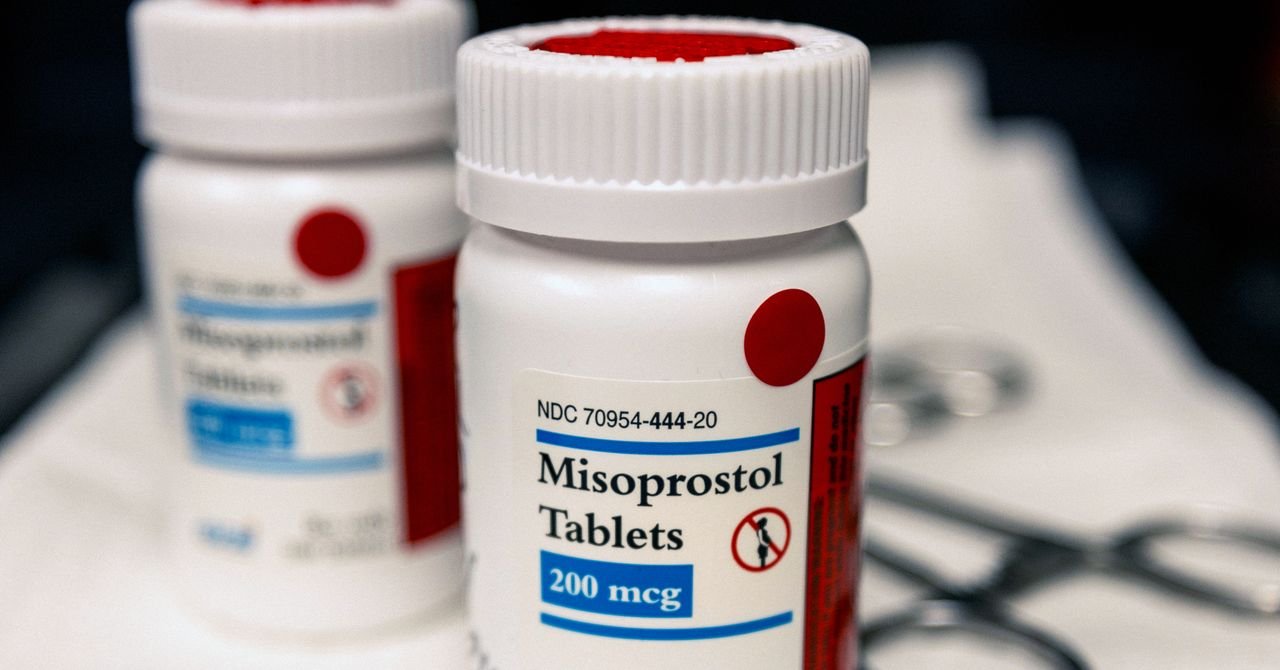
With the ban in place, Carafem immediately turned to a backup approach. Instead of prescribing the typical two-drug protocol for medication abortion – mifepristone, which blocks progesterone and stops the pregnancy from growing, and then misoprostol, which causes the uterus to contract – the organization began prescribing misoprostol on its own. Although slightly less effective than the dual-pill option, it has been widely used in the past. “We feel comfortable setting that,” says Grant.
Some Planned Parenthood clinics also insisted on a misoprostol-only regimen this weekend. “Planned Parenthood providers are doing everything possible to make sure patients know that medication abortion is still safe, legal, and available,” says Danica Severino, vice president of care and access at Planned Parenthood Federation of America.
On Monday, the Supreme Court offered temporary relief by staying the appeals court’s decision for a week. The measure allows patients to once again receive mifepristone through virtual clinics until at least May 11, when SCOTUS will revisit the case. Carafem and Planned Parenthood say they are only prepared to switch back to misoprostol if necessary. Other providers, including digital abortion clinic Hazen, have confirmed they would also take that approach if necessary.
Mifepristone was developed in France in the 1980s and has been extensively studied for safety and efficacy. It was approved by the Food and Drug Administration in 2000. Under President Joseph Biden, the FDA first allowed the drug to be obtained by mail rather than in person during the COVID-19 pandemic in April 2021. The agency permanently removed the in-person delivery requirement in 2023.
After the Supreme Court overturned roe vs wade In 2022, medication abortion via telehealth became a more sought-after option, especially for patients in states that adopted abortion restrictions, eliminating the constitutional right to abortion. Nearly one in three abortions performed in the first half of 2025 used abortion pills obtained through telehealth, according to public health nonprofit Plan C.
Access to mifepristone has become the next major battleground in reproductive health, with anti-abortion politicians and lobbyists seeking to reinstate personal dispensing requirements on the drug and, in doing so, make medication abortion harder to obtain.
After conflicting legal rulings in 2023 created confusion over whether mifepristone would be available from virtual clinics, some of them planned to temporarily offer only misoprostol medication abortion. Some virtual clinics have offered single-pill options before. Carafem only offered misoprostol medication abortion in early 2020, in an effort to provide virtual care options to patients during the early days of COVID.
Misoprostol, originally developed to treat gastric ulcers, has been used for medication abortion since the late 1980s. It remains the primary method of medication abortion in many parts of the world where access to mifepristone is limited.
“Mifepristone and misoprostol are both very safe medications, and in general, having mifepristone increases the efficacy and reduces the complication rates of medication abortion,” says Rachel Jensen, a fellow of the American College of Obstetricians and Gynecologists, who supports misoprostol-only protocols when mifepristone is not available. Single-drug regimens have also been endorsed by the World Health Organization, the Family Planning Society, and the National Abortion Federation.
<a href