Among them, there is a new tool called Concert Kit that can help bands and artists fight against ticket scalping bots.
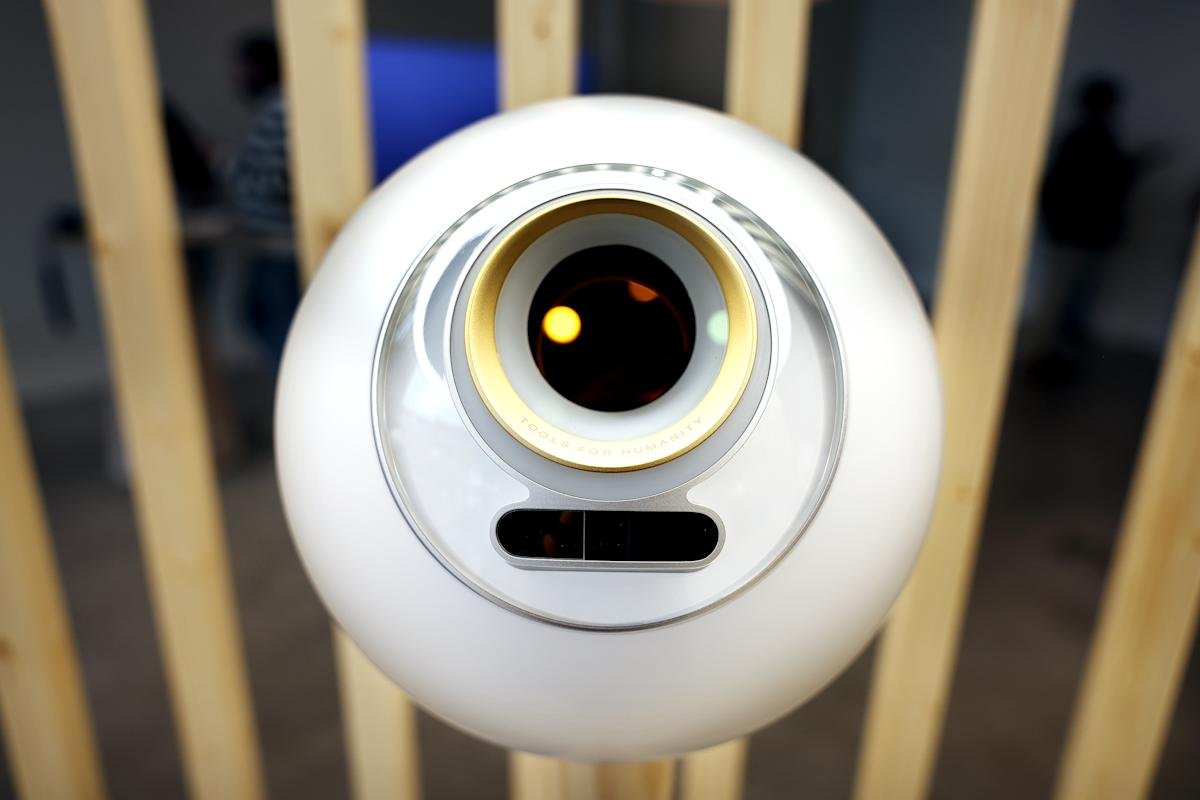
The new feature relies on a modified World ID, an orb-based verification system that scans users’ eyes and faces to create a “proof of human” signature that resides on users’ mobile devices. “It’s basically like a little human passport for the Internet that lets you prove to apps and websites that you’re a real and unique human being without revealing anything about yourself,” Tiago Sada, chief product officer at Tools for Humanity, told Engadget.
Now, as more apps and services start supporting World ID, that “human passport” could unlock some new capabilities. Combined with Concert Kit, it allows artists to designate a specific pool of tickets for “verified” humans only. The concept is somewhat similar to how pre-sales currently work, with artists (or their teams) setting aside a specific number of tickets for people who set up a World ID. Those people can then use their World ID to get ticket codes for Ticketmaster, Eventbrite, AXS or other major ticketing platforms.
Tools for Humanity says that because World ID is limited to real, “verified” humans, the system will not be vulnerable to the same strategies that have enabled bots to ruin the ticket buying process for so many people. Artists also have control over what level of validation they want from their fans. (The new World ID app will also allow people to set up an account with Selfie Check if they don’t have access to an Orb.)
How much a concert kit will be able to make a dent in the huge scalping bot problem plaguing the concert industry is less clear. So far, Bruno Mars is set to use the solution on his upcoming world tour – though there’s no word on how many of his tickets will be reserved for ID-verified humans – and the concert kit is available to other artists starting today.
The Concert Kit is one of several new integrations and updates to World ID that Tools for Humanity announced at an event in San Francisco on Friday. Tinder, which began testing World ID as an age verification solution in Japan earlier this year, will launch support worldwide. However, Tinder’s integration in the US will not be for age verification. Instead, it will indicate whether there is an actual “verified” human behind a given profile.

On the enterprise side, Zoom and DocuSign are also adding support for World ID to help businesses verify that the person joining their video calls or signing important documents is a real person (and not a deepfake or bot). Tools for Humanity is also introducing a standalone app for World ID that separates its identity verification tools from its existing crypto wallet app.
These updates are Tools for Humanity’s latest effort to make its orb-based verification system, which has been widely mocked, more mainstream and perhaps a little less dystopian. (Elsewhere, orbs are starting to appear in some new places, like the San Francisco Gap.)
For its part, Tools for Humanity is aware that many people are unwilling to have their faces scanned into a group of jewels controlled by Altman just to “prove” that they are human. I asked Sada, chief product officer at Tools for Humanity, what she would say to people who think the company is solving the wrong problem: In fact, ticketing platforms and dating apps and other services should be strengthening their security and bot-fighting tools, rather than relying on their users to “prove” their humanity.
He said it was a “completely understandable question” and compared it to what some people call things like Apple’s TouchID or FaceID. “Not everyone needs to do it in advance, and that’s important,” he said. “It’s optional. If you want World ID, you get access to that enhanced experience.”
<a href