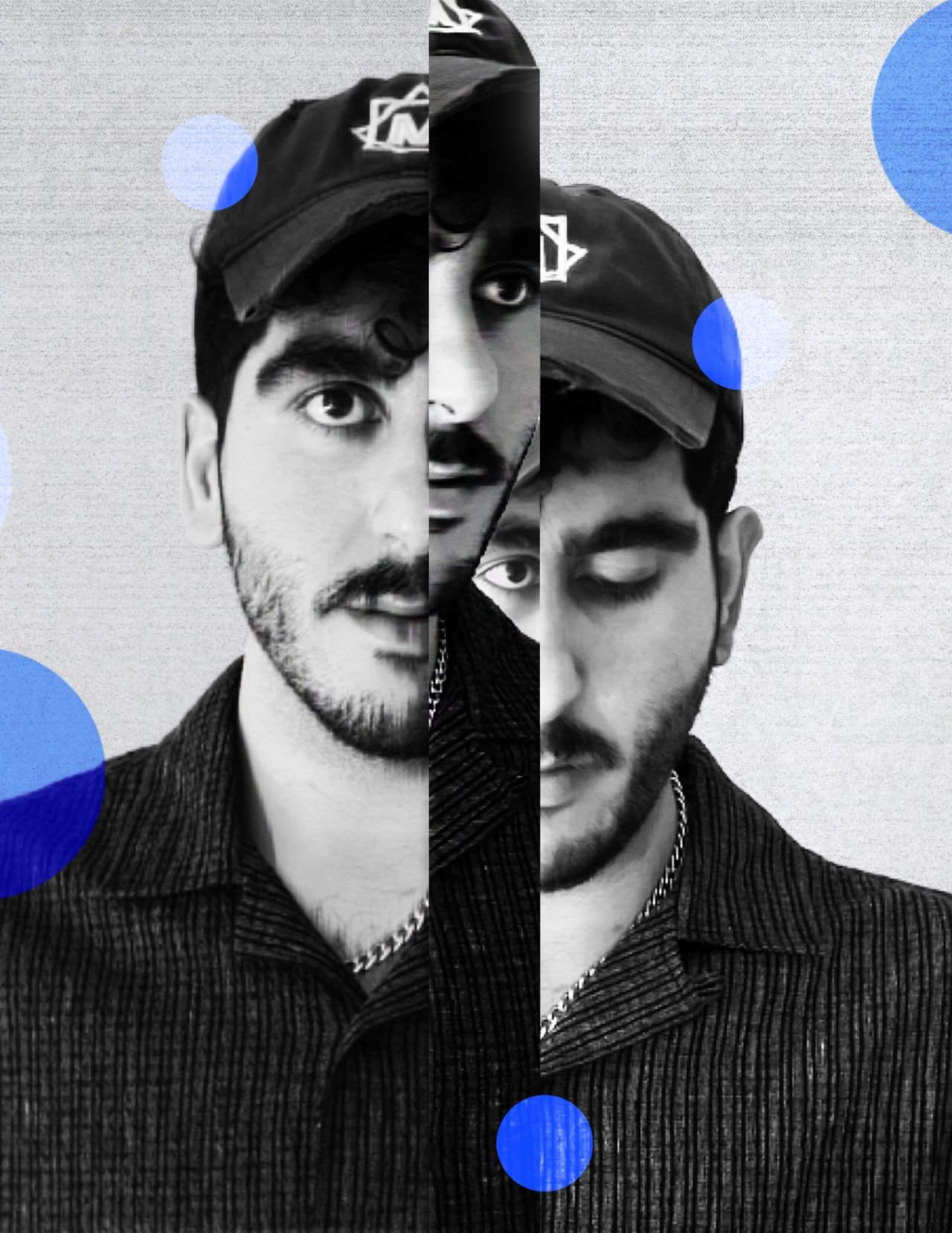
He looks at his friends, then creates a post and clicks publish. “Did you just post?” they ask. He apologizes and goes home to watch the news.
Al-Kahatbeh, 27, has spent the last seven years more or less that way. He runs @Muslim, which has over 12 million followers across various platforms – 6.7 million on Instagram alone. He has interviewed Zohran Mamdani, Riz Ahmed, Mo Amer and Motaz Azaiza.
The success of @Muslim can be attributed to Donald Trump’s first term as President. Al-Kahatbeh, then a student at Rutgers University and planning a career in entertainment journalism, witnessed the effects of Trump’s Muslim ban through his Yemeni and Iranian roommates.
When he wrote about how the ban was affecting students on campus, he did not find the right medium to reach out to other Muslims and warn them that their universities may not be able to protect them. That’s when he decided to create a space for Muslim media.
It comes with 13 hours of screen time. He says he finds it embarrassing, but the admission is full of pride. “I have to stay informed. I’m getting news just like everyone else.”
But everyone else is not the real editor-in-chief of Muslim media.
This interview has been edited for length and clarity.
Carla Sertin: At what point did you realize this could be something much bigger?
Amir al-Khatahatbeh: When I first launched @Muslim on February 15, 2019, I was already working on social media. I saw every single changing moment of social media. I was just constantly online.
This thought came to my mind: What if I covered the news the same way I was posting for Vice News, in that style, but the story was Muslim-centric? When I started making news this way, Muslim news, it immediately became trendy. I think it was the first time that the Muslim community was seeing this style and way of delivering news to them.
I make sure it’s digestible – so even a fifth grader can read it, but also someone who is a boomer. I make sure it’s shareable. I think following this formula for each post really made it go faster. I launched it my junior year of college, and by the time I was a senior, we had 50,000 followers.
When I was a senior, we went into COVID. This was the first lockdown Ramzan, lockdown Eid. During that time everyone was only on social media. I really took advantage of that moment. We cannot go from our mosques. We can’t go out and celebrate Ramadan or Eid, so I have to make sure that I’m building this platform and publishing, publishing, publishing, to make sure that we still have this form of celebration or worship during the month of Ramadan.
That’s when @Muslim got really angry. When I graduated in 2020, @Muslim had 250,000 followers. I said, OK, there’s something big here, and I’m going to keep doing it.
Is there a balance between appealing to the younger generation and representing what it means to be Muslim?
Honestly, it was a lot of trial and error.
We were working on a lot of fun stuff. We were making Muslim memes and then also discussing the latest news. It was a combination of all these things – whatever was trending on Muslim Twitter or TikTok, we were on top of it. It was a very fresh, Gen Z-centric look at the topics we cared about. We had a whole conversation about how Billie Eilish said in an interview that she wears her clothes modestly and that’s celebrated, but then when a Muslim woman wears a hijab, it’s considered oppressed. We’re going to have these really heated conversations. And then it turned around.
<a href