In a social media post on Wednesday afternoon, the USDA revealed that a sample from Texas was sent to the National Veterinary Services Laboratories (NVSL) in Ames, Iowa, for testing to confirm screwworm infection. Agriculture Secretary Brooke Rollins later posted that testing had confirmed the infection, which was found in a three-week-old calf in Zavala County, Texas.
The discovery of screwworm had been making waves this week, causing panic in the American cattle industry.
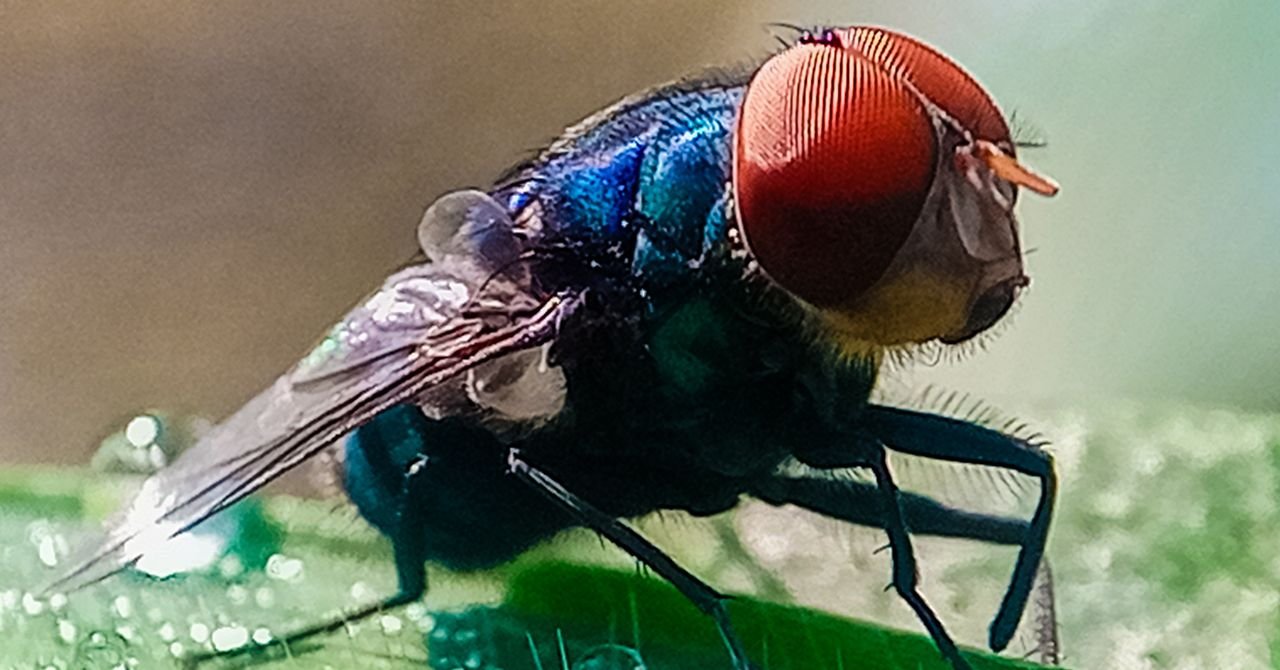
Although many animals, including humans, can fall prey to the parasite, screwworms are particularly dangerous to livestock. Female screwworms lay hundreds of eggs in the wounds and pores of warm-blooded creatures, allowing their larvae to consume the living animal, causing deep, festering, life-threatening wounds. Although screwworm was once endemic in the US, it was eliminated after years of control efforts in the 1960s. The USDA estimates that keeping screwworms out of the US has saved the livestock industry $900 million each year.
But the fly has broken through control efforts in Central America and is getting closer. According to the USDA, a case was detected on May 28 in a five-year-old goat in Coahuila, Mexico, 25 miles from the border. The case was one of several detected in recent days, including a calf case in Coahuila, just 39 miles from the border.
disputed investigation
In a media call Tuesday, Agriculture Secretary Brooke Rollins said, “There is no doubt that this is a very serious threat to our livestock.” But he also refuted the claim that the fly is close to America or is already in America.
On Monday, state Rep. Don McLaughlin claimed on social media that a screwworm case was found just a mile from the Texas border, which Rollins and the USDA denied.
“When that false information comes out, it causes a lot of panic,” Rollins said Tuesday, according to the Texas Tribune. “And rightfully so, especially if it’s coming from elected officials and the media.”
On Wednesday, Reuters reported that McLaughlin suspected the fly was now here. He said samples taken Tuesday from two calves at a farm in La Pryor, Texas — which is in Zavala County, where screwworm infection was confirmed — were being tested for possible screwworm infection. An infection was said to be in the umbilical wound of a calf. McLaughlin said he has seen photos and videos of the animals and that the larvae seen there resemble screwworm larvae.
Reuters was shown one of the photos, which it reported showed “numerous screwworm-like larvae inside a bloody circular wound on an animal” but said “the photo could not be immediately verified.”
“At this point, it is unconfirmed that this is the New World screwworm,” McLaughlin told the outlet on Wednesday. “It seems so, but it’s unconfirmed.”
With the discovery now confirmed, the USDA said in a press release Wednesday night that it is setting up a “unified incident command team” with the Texas Animal Health Commission and dispatching response personnel to the area. It is also setting up a 20-kilometre (12.4 mi) zone around detected infections for quarantine, movement restrictions, and increased surveillance and trapping of flies.
screwworm return
Screwworms were eradicated in the US in the 1960s as part of a concerted effort to eliminate their populations. This is done by aerial bombardment of infertile male flies, which is the most effective weapon against parasites. The mass release of dud studs weakens fertile males, preventing them from mating with females, who normally mate only once.
This method, called Sterile Insect Technology, eliminated flies not only from the United States but from all of Central America. They were declared extinct from Panama in 2006.
<a href