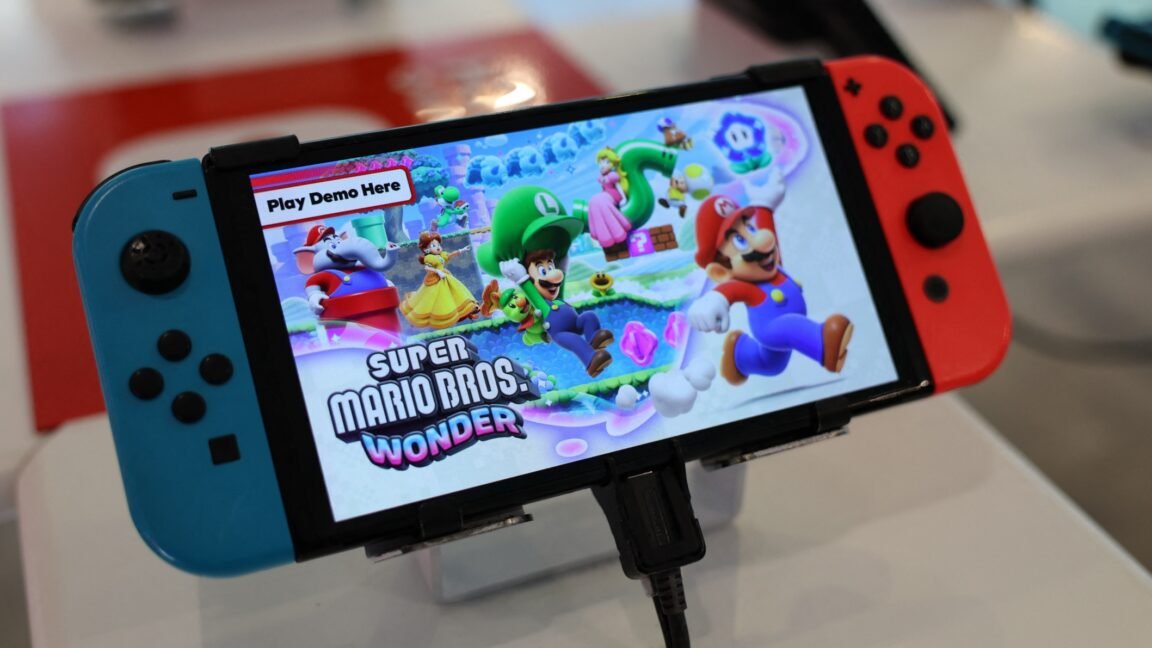
The lawsuit also alleges violations of the Washington Consumer Protection Act, which prohibits unfair and deceptive practices. The lawsuit said, “Nintendo engaged in unfair practices by: (i) raising prices due to tariffs; (ii) failing to disclose that it intended to seek tariff refunds; and (iii) retaining tariff refunds despite passing the cost on to its customers.”
Of course, Nintendo didn’t know that the Supreme Court would strike down the tariffs the following year when it raised the prices. It is also unclear what it intends to do with the tariff refunds it will likely receive in the next 60 to 90 days.
Nintendo raises the prices of Switch 2 accessories
The lawsuit points to a price increase for Nintendo Switch 2 accessories that was announced in April 2025. The increases ranged from $1 to $10 per product. “For example, Nintendo increased the price of the Nintendo Switch 2 Pro Controller from $79.99 to $84.99 and the price of the Nintendo Switch 2 Dock Set from $109.99 to $119.99,” the lawsuit said.
The lawsuit also cites an increase to August 2025 for the original Switch console, which ranged from $30 to $50 depending on the model. The lawsuit says Nintendo President Shuntaro Furukawa told investors in May 2025 that “if tariffs are imposed, we recognize them as part of the cost and include them in the price.”
The lawsuit demands “the return of all funds ill-gotten by the defendants.” It did not ask for a specific amount of damages, but said federal court was the appropriate venue because the class includes people from multiple states and “the amount in dispute exceeds $5,000,000.” Nintendo of America is headquartered in the Washington district where the complaint was filed.
Even if the Trump administration issues all outstanding refunds, Nintendo and other companies will still have tariff issues. Trump reacted to his defeat at the Supreme Court by imposing 10 percent tariffs, claiming he had the authority to do so under the Trade Act of 1974, and that more Trade Act tariffs may be on the way. States have sued to block Trump’s new tariffs, and there could be another lengthy round of litigation over whether the president can issue tariffs under the Trade Act.
<a href