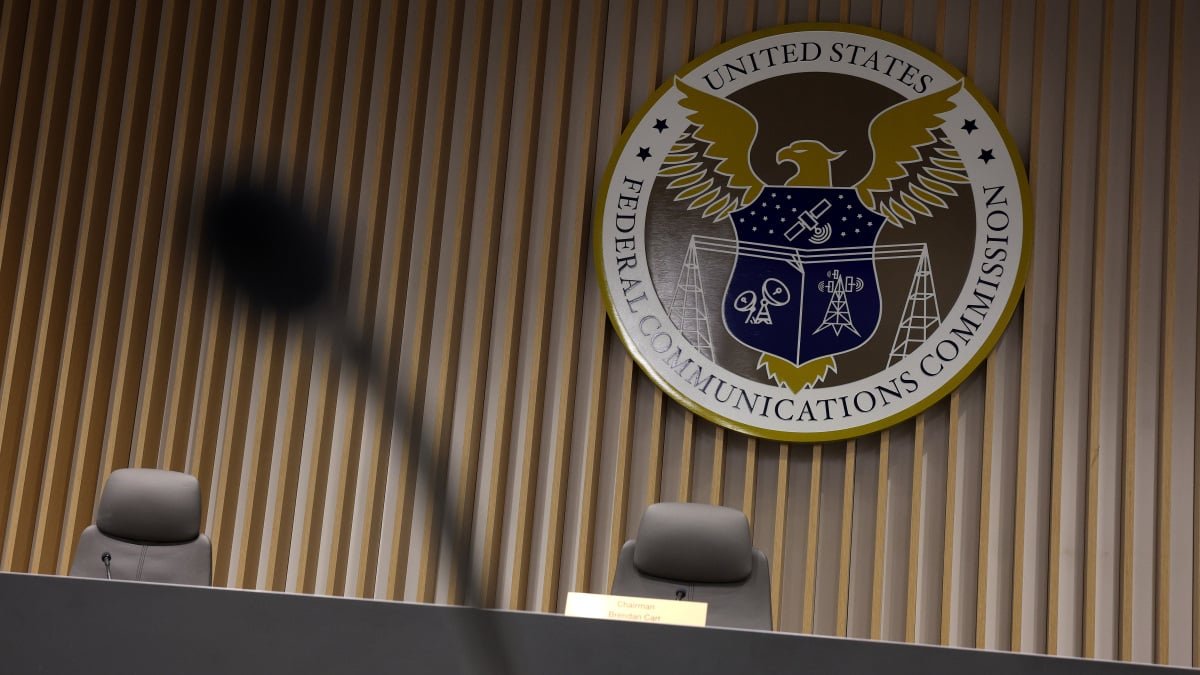
That’s because the federal regulatory agency is introducing plans that would require the collection of the names, addresses and government identification numbers of nearly every American cellphone user in a bid to curb rising robocalls and scams.
The proposal orders phone companies to add identifying information from incoming numbers on their networks, including pre-paid phones, and flag suspicious activity involving the devices, such as cryptocurrency payments and phone numbers not listed at a residential address. If the number is deemed suspicious the information will be officially verified and stored for four years.
Climate.gov staff relaunches site after Trump kills it
Initial public comment on the proposal closes today. The FCC will then open a response period with a July 27 deadline before making its final decision. There is no timeline yet for implementing the new rules should the agency move forward.
mashable light speed
The proposal was first introduced in May and caused immediate concern among consumer privacy advocates. Since that month, other civil society advocates have warned that expanding know-your-consumer rules could spell disaster for a wide range of privacy seekers in the digital age.
For example, domestic violence resource groups have filed statements with the FCC arguing that data privacy and the use of anonymous tools is an essential protection tool for victims of domestic violence, sexual assault, and stalking. According to the National Network to End Domestic Violence, the FCC’s proposed red flags “cover practices that survivors routinely use to protect themselves from surveillance or harm by abusive actors.”
Additionally, the new rules could effectively exclude millions of Americans who do not have government-issued identification, including undocumented residents.
Jay Stanley, senior policy analyst at the ACLU, told CNET, “For decades, civil libertarians have looked at authoritarian countries abroad, where the government requires people to register to get a mobile phone to ensure they can be tracked. We never thought that would happen here.”
Subject
privacy social good
<a href