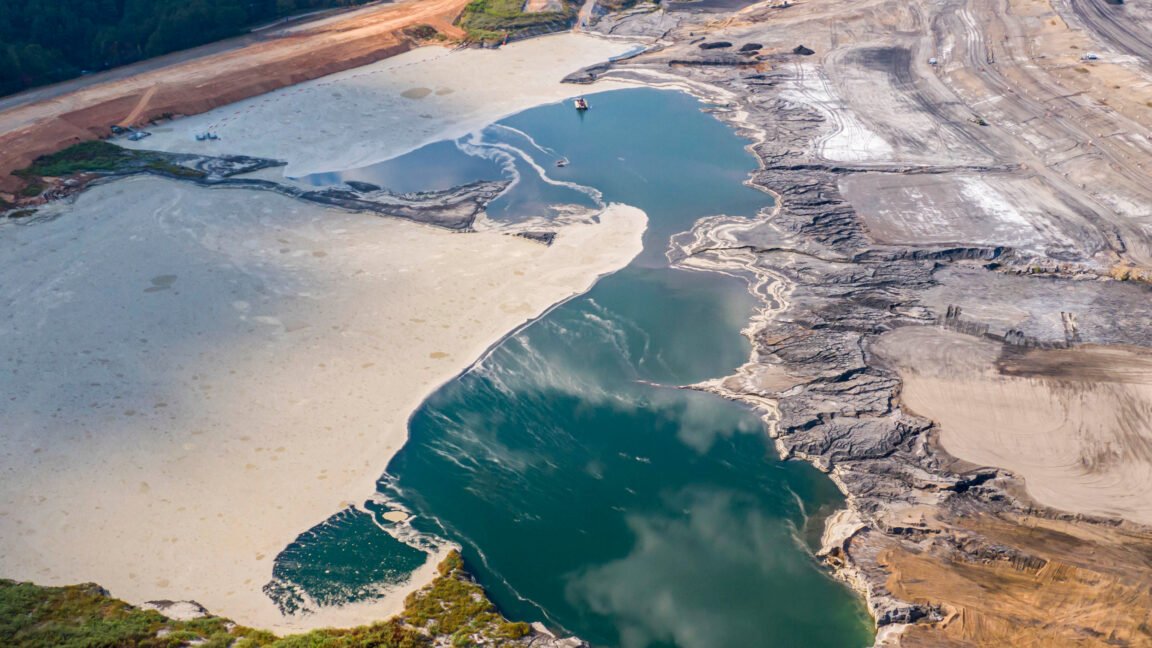
Castle has been working to protect communities from coal ash pollution for 15 years and said rain and storms caused by climate change have increased these threats. And people who live near coal ash piles are being diagnosed with cancer at such a rapid rate that they’re left to think, “This can’t be normal,” he said.
“EPA, you know the records,” Castle said. “You set a record.”
Christina Zerold, a professor at the University of Mississippi, said she found that children exposed to coal ash were more likely to suffer from depression and perform worse in school than children who were not exposed to it.
Zerold said she has been researching the health effects of coal ash on children since 2011 and was awarded a National Institutes of Health grant in 2015 to investigate coal ash and neurobiological health in children ages 6 to 14.
He and his research team used air pollution and dust samples in children’s homes to collect coal ash and tested the children for neurobehavioral and mental health conditions in a variety of ways.
If a child performs poorly in school, it can have wide-ranging effects well into adulthood, Zerold said. He said depression in children can lead to poor social interactions, lack of learning and, in some cases, suicide.
“Do you want your children playing on coal ash in parks and playgrounds?” Zerold asked. “Do you want them to inhale and swallow it? I don’t want that.”
Brianna Knisley, director of public power campaigns at Appalachian Voice, said the 2008 coal ash spill at the Kingston Fossil Plant was one of the worst industrial disasters in American history. It’s an example of what happens when the EPA leaves coal ash management to state regulators and utilities, he said.
The 900 workers cleaning up the spill were refused protective gear and told that the coal ash they were removing was clean enough to eat. Hundreds of workers became ill and dozens died, Knisley said.
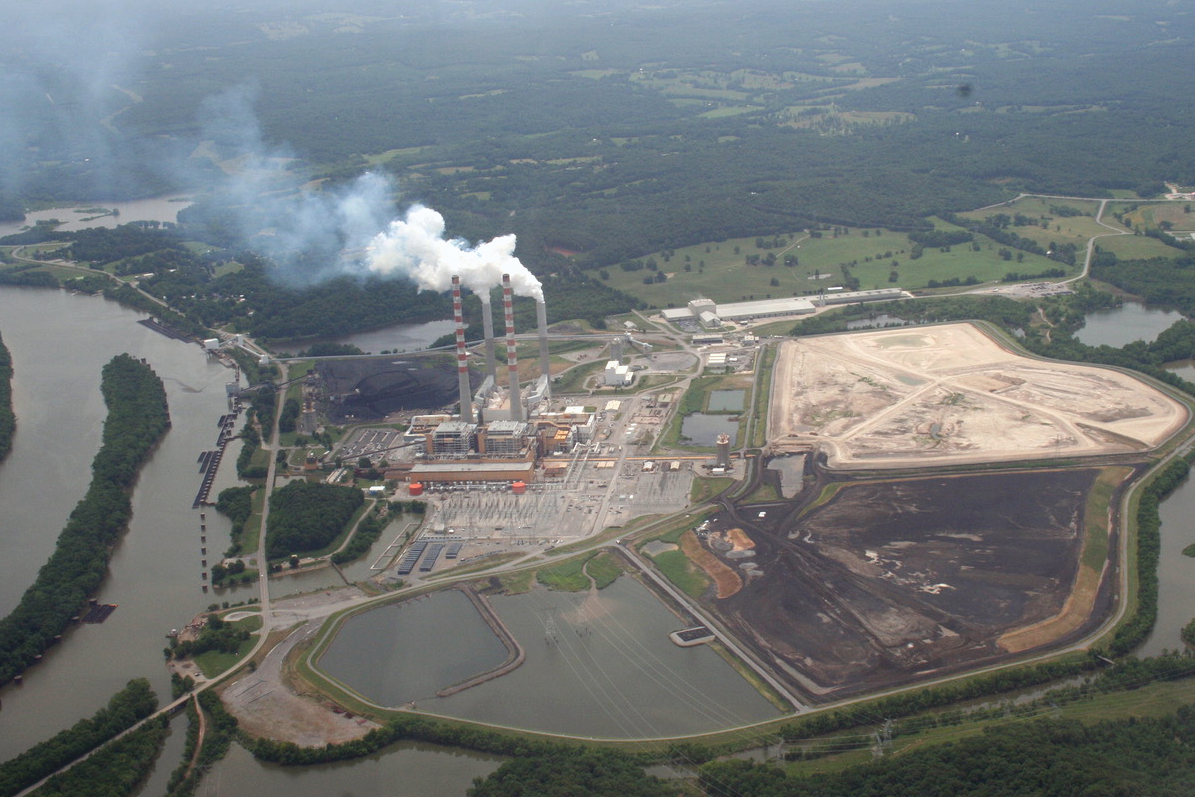
Aerial view of the Tennessee Valley Authority’s Cumberland Fossil Plant in Cumberland City, Tennessee.
Aerial view of the Tennessee Valley Authority’s Cumberland Fossil Plant in Cumberland City, Tennessee.
Credit: Stephen A. Smith/Southern Alliance for Clean Energy
Angie Mummaw, an organizer with Appalachian Voices who lives near the Cumberland Fossil Plant in Tennessee, said she is tired of communities like hers being treated as sacrifice zones while the coal industry demands permanent loopholes rather than cleaning up the mess it’s created.
Knisley has worked with communities where coal ash was used to fill children’s ball fields and watched as the Tennessee Valley Authority wasted a pile of toxic ash behind a public playground open to the air. The Tennessee Valley Authority did not immediately respond to questions from Inside Climate News.
“This is coal ash management without strong federal regulation and enforcement,” Knisley said. “The state and utilities will not keep communities safe.”
This article was originally published on Inside Climate News is a nonprofit, nonpartisan news organization covering climate, energy, and the environment. Sign up for their newsletter Here.
<a href