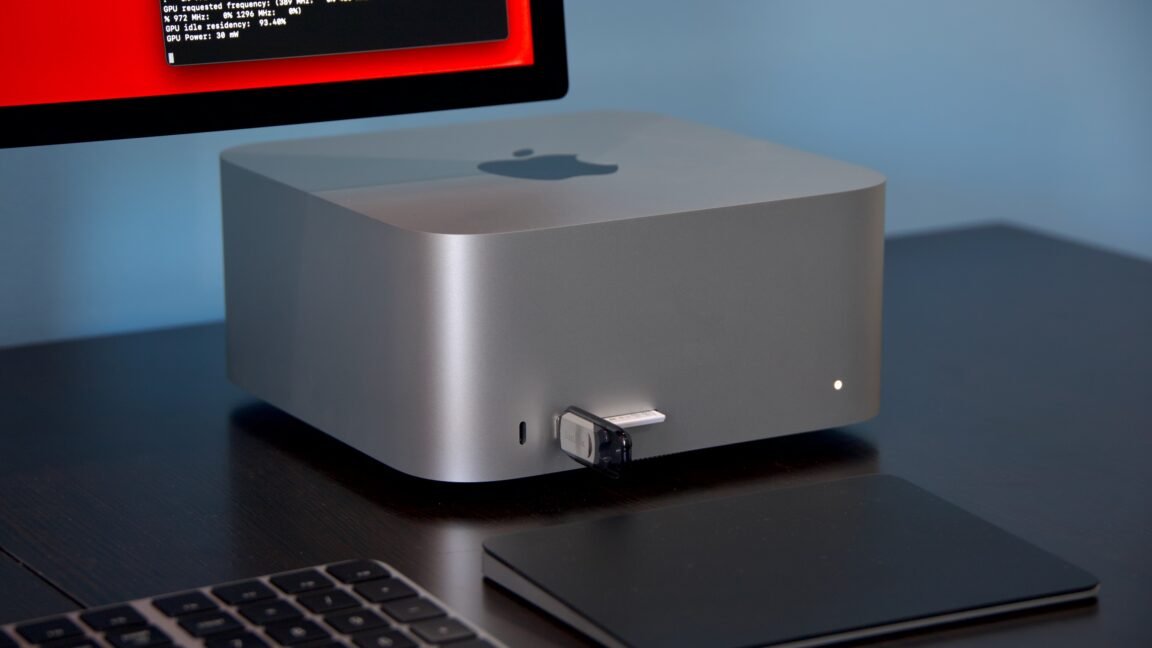
As we wrote last month, the extent of shipping delays can likely be attributed to a number of factors. AI-related demand for desktops and chip shortages are probably factors, but Apple is said to be planning replacement of both systems with Apple M5-series chips later this year, and it’s common for models to see their ship times reduced when replacement is imminent. Cook’s estimate of “several months” could easily include the introduction of new models, as well as whatever time Apple needs later to meet pent-up demand.
Cook also noted that “customer response to MacBook Neo has been off the charts with demand exceeding expectations” and that Apple “set a record in March for new customers on Mac, partly due to Neo.” (Note that “March record” is not the same as “all-time record,” but regardless, it looks like demand for Neo has been healthy.)
But the availability of the MacBook Neo has been much better than that of the Mac mini or Studio. A Neo ordered directly from Apple would usually arrive in two or three weeks, but this time the window has remained roughly the same since early March. The Neo remains widely available for same-day shipping or pickup at third-party retailers like Amazon, Walmart, and Best Buy, which is not true for most Mac mini or Studio models.
Apart from supply constraints, Apple’s second quarter of 2026 was successful for the company. Apple generated revenue of $111.2 billion, up 17 percent compared to Q2 2025, led by iPhone 17 sales and strong growth from its Services division. Macs grew 6 percent year over year despite shortages affecting the Mac Mini, Mac Studio and MacBook Neo. But Apple is not immune to the industry-wide RAM shortage: Cook said Apple expects “significantly higher memory costs” for Q3 than it paid in Q2 and that “memory costs will have an escalating impact on our business” going forward.
<a href