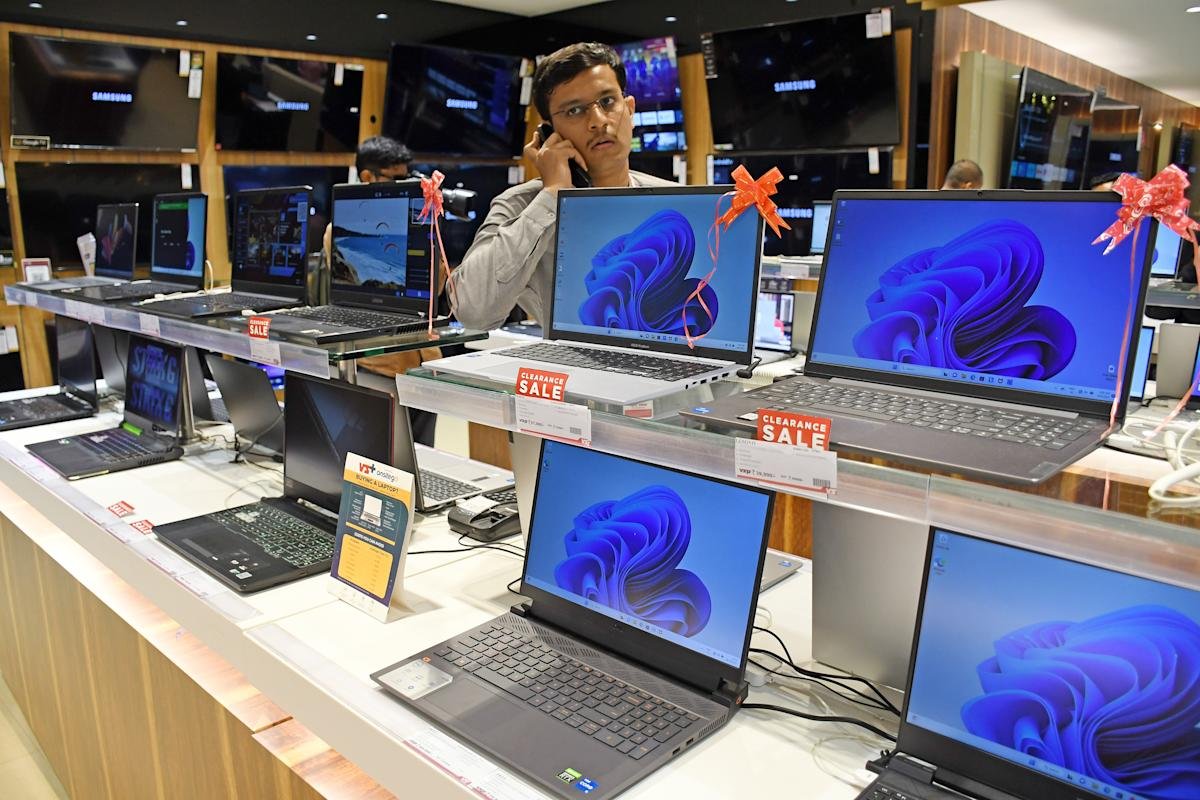
It appears that the fear of price increases due to the current AI-driven demand for memory and storage has convinced a large portion of people to buy new computers. According to data analyzed by Counterpoint Research, global PC shipments grew about 3.2 percent year-on-year in Q1 2026, “driven by pre-emptive purchasing at the retail level ahead of memory-led price increases” and Microsoft forcing some customers to upgrade by ending support for Windows 10 last year.
Counterpoint says sales reached 63.3 million units during the first quarter, and were particularly concentrated in five high-end PC makers: Lenovo, ASUS, Apple, HP, and Dell. Of the five, Lenovo has the highest PC market share with 26 percent, but almost all companies have seen sales growth except HP, whose year-on-year sales technically declined by 5 percent. Specifically, Apple’s PC sales increased 11 percent, likely due to the M5 updates made to the MacBook Pro and MacBook Air and the introduction of the affordable $600 MacBook Neo. Counterpoint suggests the update could lead to even more sales growth in the next quarter.
Despite positive sales, the PC industry as a whole is not out of the woods. “The aggressive expansion in AI infrastructure investments is driving up overall component costs, which will likely impact pricing of CPUs and other key components [PCs],” says Minsoo Kang, senior analyst at Counterpoint. “Ultimately, continued cost pressures and resulting rising retail prices are expected to have a significant negative impact on PC market growth in 2026.”
A general feeling is that the worst is yet to come, which is echoed by other analysts warning about the current shortage of RAM and storage. In December 2025, IDC predicted that PC shipments could decline by 8.9 percent in 2026 in response to RAM pricing, and later revised its prediction last March to 11.6 percent. Even though consumers aren’t experiencing the worst of these price increases yet, new price increase announcements arrive like clockwork every few weeks — for example, this week, Meta raised the price of its Quest headsets — meaning if they’re not feeling them now, they soon will.
<a href