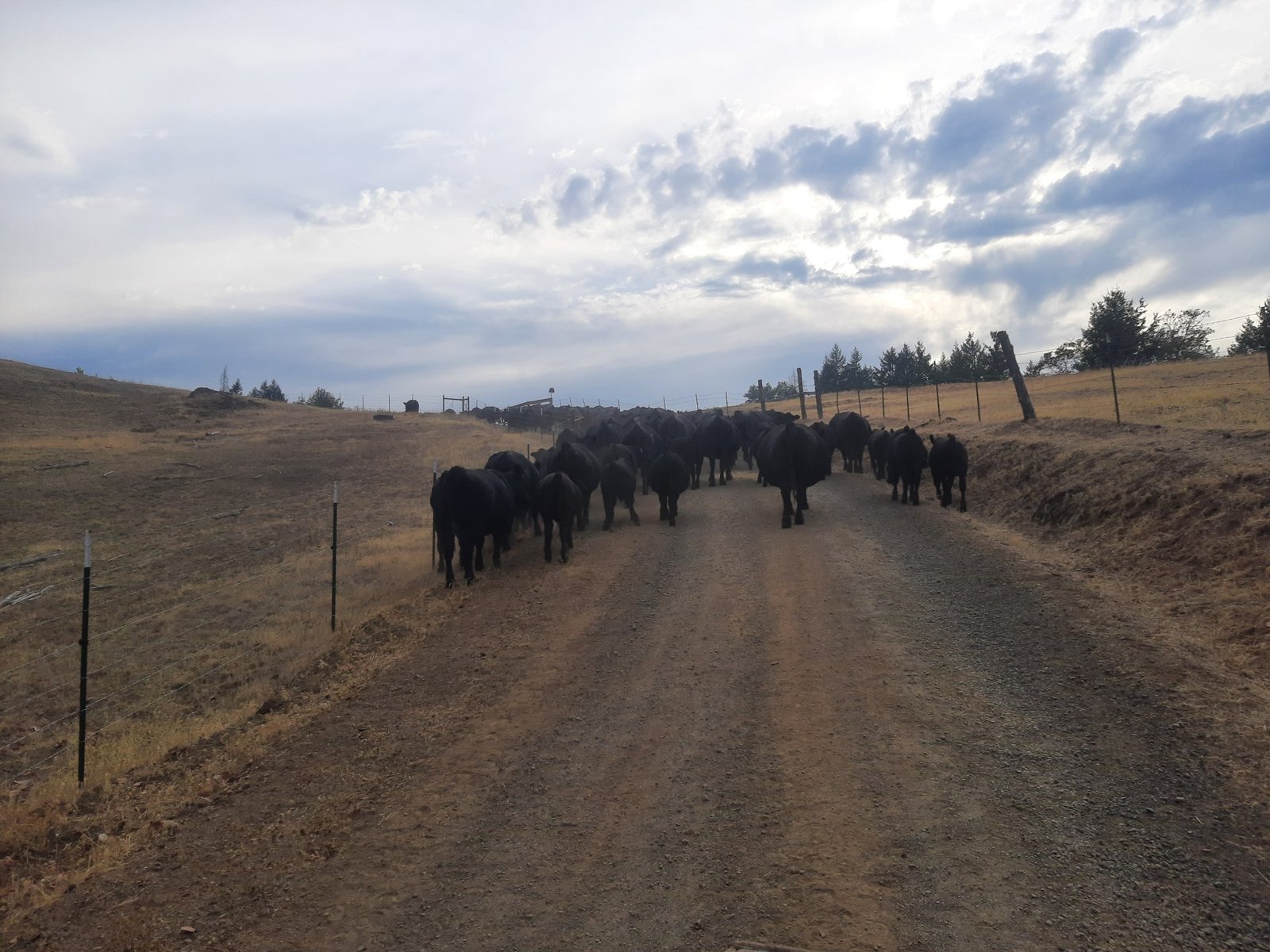
Starting with Trump’s October 19 quip that the U.S. would increase beef imports from Argentina, his announcement of an investigation into the highly consolidated U.S. meatpacking industry, and his announcement of the removal of tariffs on Brazilian beef, cattlemen have found themselves caught between the president’s desires to appease both them and the U.S. consumer in the face of higher beef prices.
Recommended Stories
4 item listend of list
U.S. cattlemen have enjoyed rising cattle prices, primarily the result of the lowest numbers of beef cattle herds since the 1950s. Other factors hampering supply include the closure of the Mexican border to live cattle due to concerns over screwworm and heavy tariffs on foreign beef.
Cattle prices paid to cattlemen are separate from consumer beef prices, which stood at $6.32 for a pound (453 grams) of ground beef as of September, an 11 percent increase from September 2024 when they were $5.67 a pound. The Bureau of Labor Statistics did not release economic data, including the consumer price index, last month due to the government shutdown.
Trump had no patience for normally loyal cattlemen objecting to his plan to import more Argentine beef, which he saw as a threat to their recent economic gains.
“If it weren’t for me, they would be doing the same as they have done for the last 20 years – terrible! It would be nice if they would figure it out,” Trump wrote in an October post on his Truth social platform.
While Corbitt Wall, a commercial cattle manager and market analyst, is clear that he “fully supports Trump and everything he does,” he also noted the president’s arrogance and his misunderstanding of the cattle industry.
“There wasn’t a person at any level in the animal business who wasn’t insulted by that post,” he told Al Jazeera.
Wall religiously tracks prices in the cattle trade from farm to slaughter and has seen the cattle futures market decline more than 15 percent since Trump’s Oct. 21 announcement.
Futures prices determine what price cattlemen can expect to sell cattle for and also impact current selling prices. For the sake of cattlemen, Wall said he hopes Trump will leave the cattle market alone.
“He doesn’t live in this world, this cattle world, and he doesn’t realize how much of an impact one statement can have on our business,” Wall said.
years of difficult seasons
Oregon cattleman David Packham said that while cattle prices have moved up in cattlemen’s favor, many are still struggling due to years of tough weather.
Years of drought across the country have increased the cost of feed for everyone and forced some cattlemen to sell cattle. Sticker prices on farm equipment ranging from tractors to pickup trucks have also increased, particularly due to supply chain challenges during the COVID-19 pandemic, and are expected to increase further due to Trump’s tariffs.
Packham said he regularly sold cattle at a loss and he didn’t want consumers to think cattlemen were living in poverty.
“I’m looking at a 40-year-old tractor that I use daily but keep putting off replacing and repairing, even though it’s hard to find parts right now, just letting it run because I can’t afford $100,000 for a new tractor,” Packham said. “When I say we’re not really making a lot of money, it’s because we have all these losses.”

Packham was a registered Republican until Trump’s first term. The president’s Argentina comments and the subsequent chaos for the cattle industry have opened a door for Trump’s critics, he said, but they represent a minority within the community.
“I’m seeing more and more of those (ranchers) who were cautiously neutral, who are now like me and just saying, ‘You know what? No. That’s bulls***. That’s a train wreck,'” Packham said.
‘Perennial issue’
One action cattlemen may support, however, is Trump’s Nov. 7 announcement that America’s four big meatpackers – Tyson, JBS, Cargill and National Beef – are being investigated by the Justice Department for “potential collusion, price gouging and price manipulation.”
Historically, cattlemen looking to sell cattle have had little negotiating power because four companies control more than 80 percent of the market.
However, a prior Justice Department investigation into meatpacker price-fixing was launched under the Trump administration earlier in 2020 due to the gap created by falling cattle prices and rising consumer beef prices. The investigation continued under the administration of President Joe Biden but was never publicly released. According to Bloomberg News, the investigation was quietly closed without any findings just weeks before Trump announced the antitrust probe in November.
James MacDonald, research professor of agricultural and resource economics at the University of Maryland, considers the administration’s antitrust investigation announcement “purely for political consumption.”
“This is a perennial issue that troubles cattlemen, and you can gain some political ground by attacking the packers,” MacDonald said.
Packham would prefer the new investigation be conducted at a different time and said that given the pressure from the tight cattle market, packers are operating under tight margins, not from a position of absolute power.
On Friday, Tyson announced the closure of a Nebraska beef-processing plant that employed more than 3,000 people. MacDonald described the decision as “surprising” indicating the depth of the US beef shortage. The current low cattle inventories in the US have been caused by years of drought, which destroyed pasture lands and slowed the rebuilding of herds. Replenishment of the animal supply chain is a years-long process.
“That’s a fact and a fundamental thing, and it’s not going to change for some time,” MacDonald said.
Macdonald also does not believe that increasing Argentine imports will alleviate the shortage or lower prices because the country largely ships low-grade, low-fat beef to the US, which accounts for only 2 percent of imports. They expected that the large-scale reintroduction of lean Brazilian beef would impact the import market, but would weigh less on the overall beef supply.
McDonald also cited heifer retention numbers, which show how many female cattle cattlemen retain to produce future herds in coming years, which are still low.
McDonald told Al Jazeera that Tyson likely had these numbers in mind when deciding to close its Nebraska plant, and it does not appear the industry is expecting a surge in herd numbers.
“Tyson is saying we don’t think the cattle supply is going to recover anytime soon,” MacDonald said.
Although the actual mechanics of Trump’s recent policies may not shake consumers’ bottom lines or change the cattle market for some time, Wall is more concerned about the impact from the news cycle, saying that cattlemen “live and die” in the cattle markets. Although his faith has been shaken, Wall believes that when election time comes, cattlemen, as conservative as ever, will turn out for Trump.
“You look at what the other side is offering and there’s no way people are going to go for it,” Wall said. “So in the long run, they’ll stick with him.”
<a href