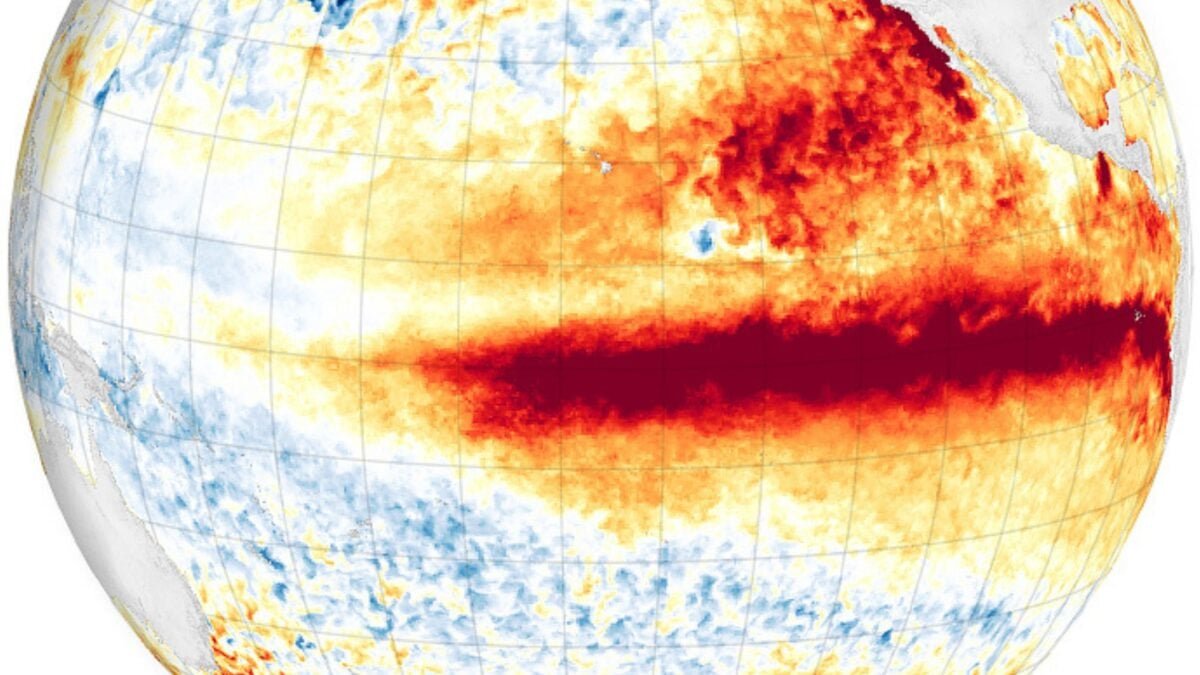
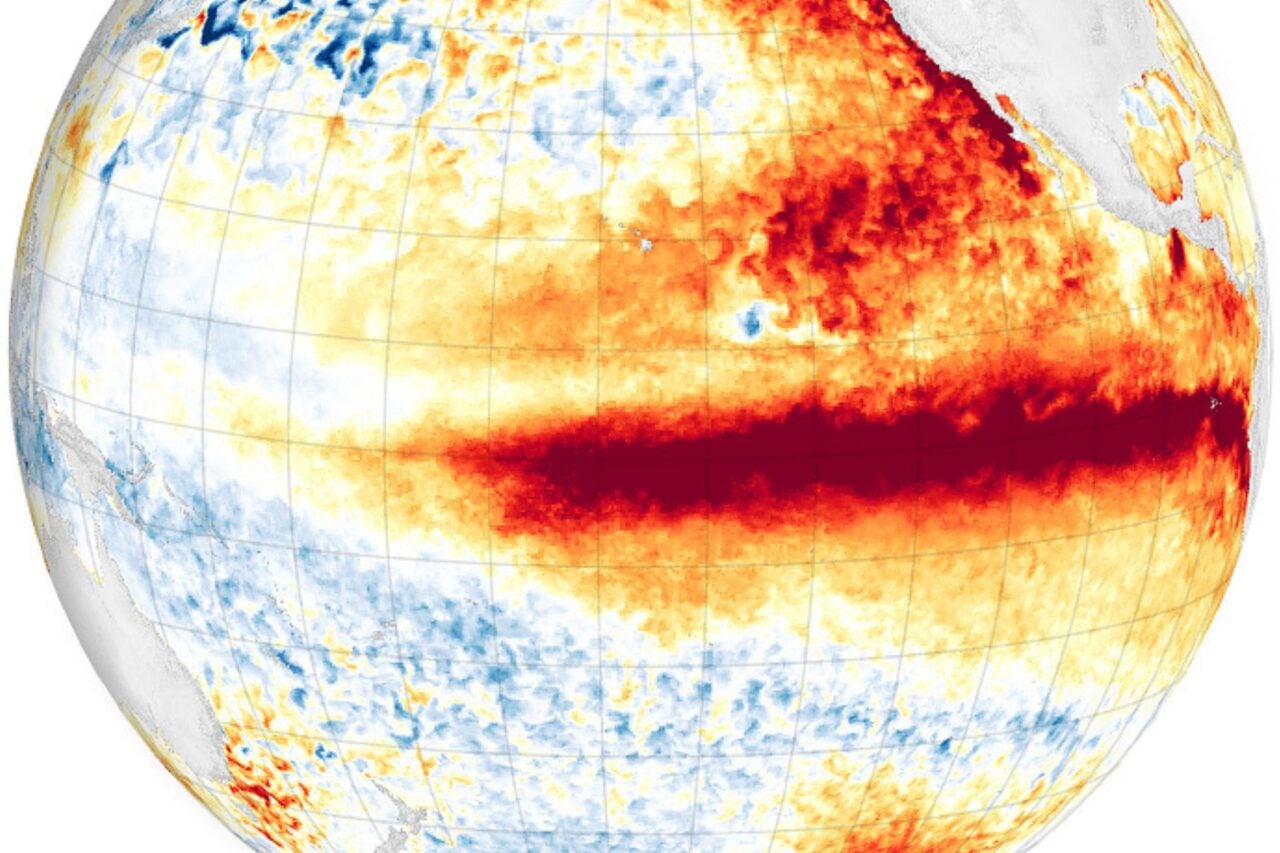
According to the agency, there is now a 63% chance of El Niño reaching “very strong” status between November and January, potentially making it one of the largest events in the historical record since the 1950s. Extreme climate and weather impacts are more likely to occur during a strong El Niño. Over the past several weeks, meteorologists have warned that the event could lead to record-breaking temperatures, supercharged storms, regional drought, wildfires or floods, and global food shortages.
The so-called “Super” El Niño would also have a major impact on the climate crisis. “As El Niño takes hold, the months starting soon will be the warmest on record,” Jeff Berardelli, chief meteorologist and climatologist for WFLA Tampa Bay, posted on Twitter yesterday. “The biggest impact on global temperatures will be from the end of this year into next year. This will set a new precedent… for a few years… until it breaks again.”
Hello, El Nino
El Niño is the warm phase of the El Niño/Southern Oscillation (ENSO), a periodic fluctuation in sea surface temperature and air pressure over the equatorial Pacific Ocean. ENSO is the largest, most influential year-to-year climate variation on the planet, so both El Niño and its cold-phase counterpart, La Niña, have significant impacts on global temperatures and weather patterns.
NOAA is the second major weather agency to declare El Nino, following the call by the Japanese Meteorological Agency on Wednesday. Other countries and the United Nations’ World Meteorological Organization are sure to follow. NOAA based its determination on persistent above-average sea surface temperatures in the Niño-3.4 region (a key region of the equatorial Pacific used to track El Niño and La Niña), as well as wind and convection anomalies in the central and east-central equatorial Pacific.
“Collectively, the coupled ocean-atmosphere system reflected the onset of El Niño conditions,” NOAA’s El Niño advisory states.
According to NOAA, the average of all projections from the North American Multi-Model Ensemble, a seasonal forecasting system that combines multiple climate models running across the United States and Canada, shows that El Niño will intensify in the winter.
“Even very strong El Niño events do not have the expected impacts everywhere, but stronger events could tilt the odds more significantly in favor of expected outcomes (see CPC outlook for prospects for seasonal anomalies). In summary, El Niño conditions are present and expected to strengthen in the Northern Hemisphere winter 2026–27.
A Pacific warmup for the record books
Human-caused climate change will add a layer of complexity to the 2026-2027 El Niño. As carbon emissions continue to raise Earth’s temperature, it has become harder for meteorologists to separate the effects of anthropogenic warming from ENSO’s natural climate variation, meteorologist Ben Noll points out in an article for the Washington Post.
To address that problem, NOAA and other agencies now use a climate change-adjusted El Niño index called the Relative Oceanic Niño Index, or RONI. According to that index, climate change would increase sea surface temperatures in the central equatorial Pacific during this El Niño by an additional 0.9 degrees Fahrenheit (0.5 degrees Celsius), Knoll reports.
Even without taking climate change into account, models are predicting potentially historic Pacific warming. According to the European Center for Medium-Range Weather Forecasts, sea surface temperatures rise by an average of 6.8 °F (3.8 °C) by December. It enters well into “Super” El Niño territory.
In many parts of the world, the intensity of this event is likely to increase extreme weather events that are already becoming more frequent and severe due to human-caused climate change. Plus, all the extra heat sent into the atmosphere by the Pacific Ocean will increase global warming, pushing Earth’s average temperatures to new heights.
Now that NOAA has officially declared El Nino active, federal forecasters will be keeping a close eye on its effects. While the actual severity of this incident remains to be seen, experts are urging decision makers and the public to prepare for the worst.
<a href