Well, sorry to say the party is over. Reflecting how hostile the Trump administration has been to its predecessor’s investments in a more sustainable and green economy, Chinese companies have lost an estimated $2.8 billion in planned US energy projects over the past year. More than half of China’s proposed plans for clean-energy tech projects across the United States after 2022 have either been halted, delayed, or abandoned altogether, according to new research from analysts at Rhodium Group.
As Margaret Jackson, a former senior adviser at the Biden-era Commerce Department, told Bloomberg, “The policy environment is becoming more restrictive.”
Jackson, now a senior associate at the nonprofit Center for Strategic and International Studies, suspects this inhospitable environment for green tech investment is unlikely to change, even in the unusual scenario where Trump’s whims revolve around flattery.
“I’m not sure there’s much appetite underneath them to make room for more Chinese investment,” Jackson said.
Not exactly a solar powered sunset
Rhodium analysts pointed out that all three of the world’s leading regions for clean-tech manufacturing, China, the US and Europe, have reneged on their commitments during Trump’s first year in office – but China’s behavior was unique.
State intervention once boosted China’s domestic clean energy, battery and electric vehicle manufacturing sectors fivefold from $37 billion in 2018 to $189 billion in 2023, creating major market dominance in some sectors (such as solar) but also creating an overcapacity problem.
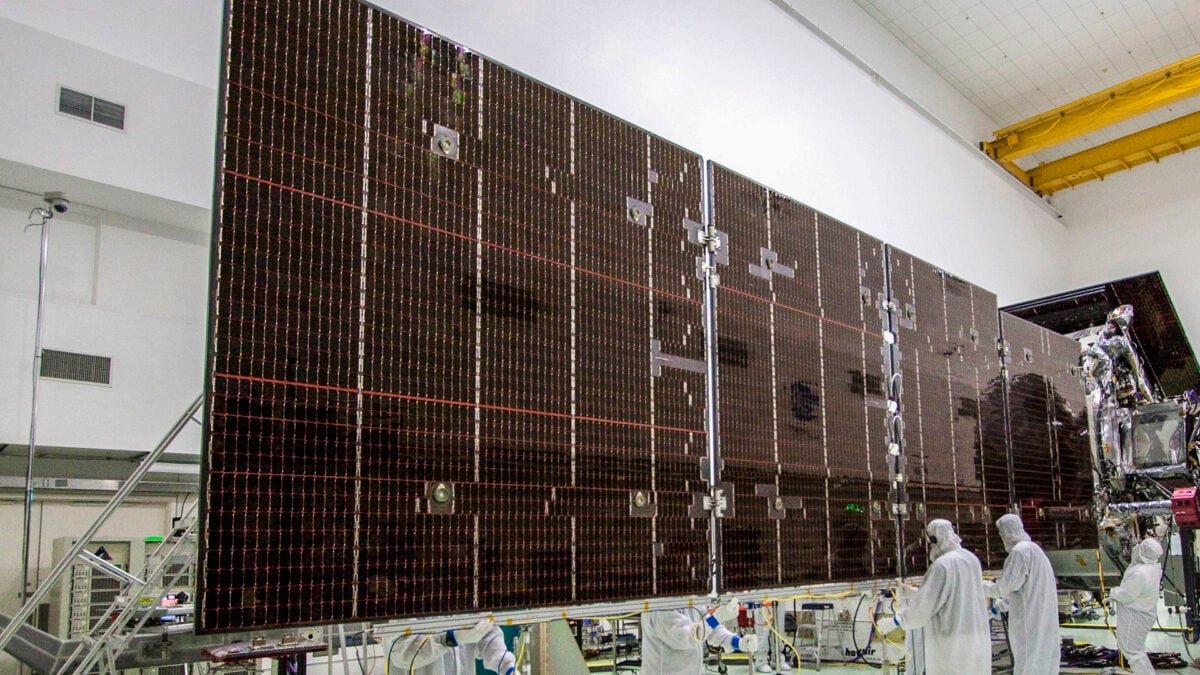
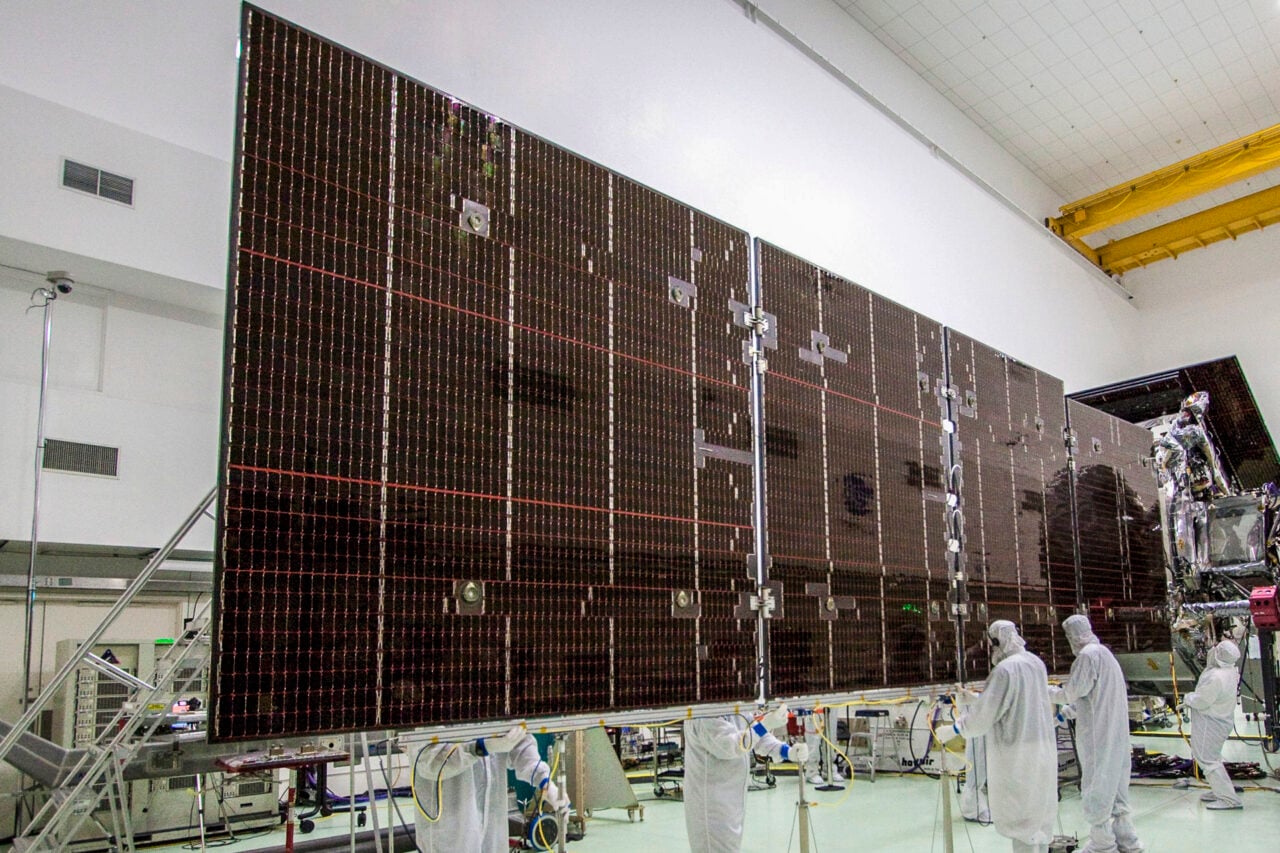
Yet, despite low total investment and flight from American soil, China’s future plans for solar manufacturing infrastructure remain impressively monumental. Rhodium estimates that about 485 gigawatts of solar cell production capacity is currently under construction domestically in the country – or enough to power about 425 million additional Chinese homes per year – as well as 1.3 terawatts (1300 gigawatts) of solar capacity that has been announced but has not yet been commissioned. According to Rhodium, if everything goes according to plan, China will virtually double its solar energy production.
“The new policy on solar manufacturing and EV supply chains is likely to focus on maintaining China’s leading position and closing remaining technology gaps and foreign dependencies,” the group’s report published Wednesday concluded.
US solar sales to China halted
The economic data reflects some more real news that shows how China-based companies have increased their solar energy share in communities across the US. For example, this month, Chinese solar manufacturing giant JinkoSolar sold 75.1% of its ownership stake in its US subsidiary to a private equity firm, which will now run JinkoSolar’s 2-gigawatt (GW) solar panel production facility in Jacksonville, Florida.
Soon after Trump wins the White House in 2024, China’s Trina Solar mortgaged a majority stake in its solar manufacturing facility to an American firm, T1 Energy. And Beijing-headquartered JA Solar also sold its 2GW solar assembly plant in Arizona to Corning last July.
Much of this stinginess is directly tied to legal headaches from the Trump administration’s new Foreign Entity of Concern (FEOC) restrictions, introduced last year in that “big, beautiful bill,” which places limits on the amount of Chinese ownership allowed for U.S. energy projects.
While industry analysts told Reuters that most Chinese manufacturers are apparently keeping low-level financial controls in their U.S. factories, the obvious result is more price increases and less clean energy across the U.S. in the near future as FEOC restrictions slow down plans.
As Aaron Halimi, CEO of San Francisco-based utility developer Renewable Properties, told Reuters, “This will undoubtedly continue to drive up the cost of electricity in the United States.”
<a href