
Session is an open source encrypted messaging app No phone number or email address is required to sign upInstead of routing messages through centralized servers, similar to Tor, Session uses a decentralized network of over 2,000 nodes running onion routing protocols, ensuring that no single server knows both the origin and destination of a message,
Session Technology Foundation took over management of Session in October 2024, succeeding Australia-based Oxon Privacy Tech Foundation (OPTF).
This change was not purely administrativeThis was triggered by an investigation by Australian authorities into the operation of Session and the threat of anti-encryption laws that could force backdoors.
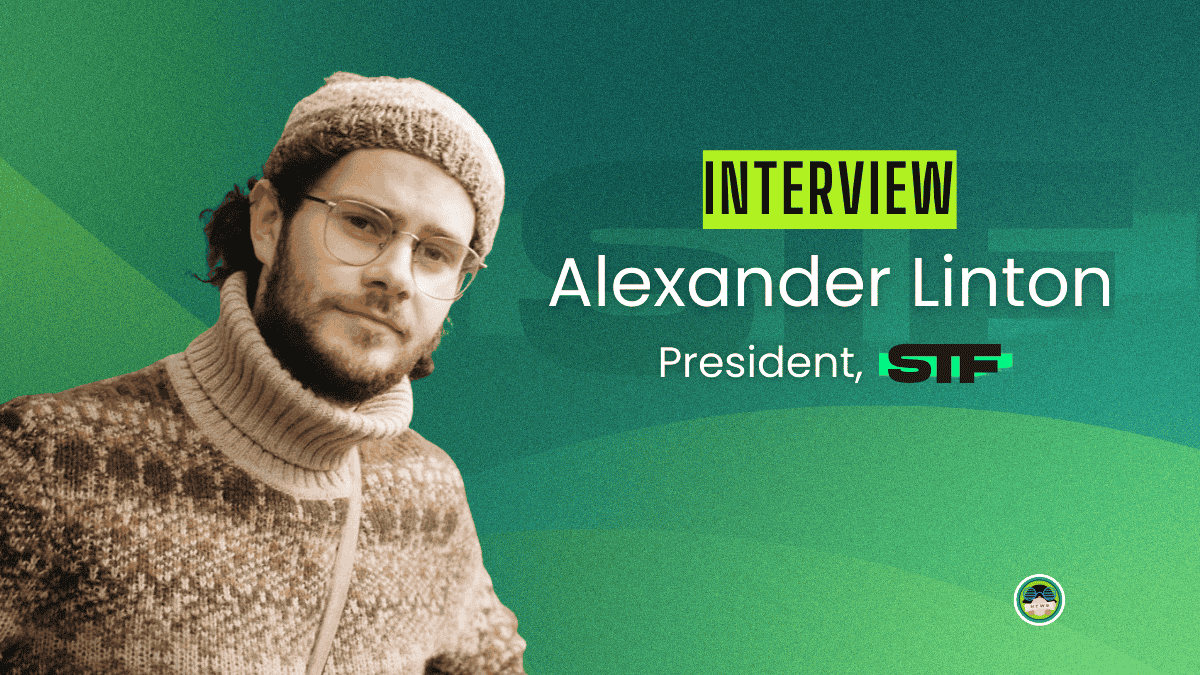
Alexander Linton, who worked as a journalist before joining the Session Project, now serves as President of the Session Technology Foundation.
In an email interview, we discussed his transition from journalism to privacy advocacy, Sessions’ approach to trust and security without centralized moderation, and the dangers associated with encrypted communications.
How did you go from being a journalist to leading the Session Technology Foundation?
When I was working in a newsroom, it became very clear from my own experience and from observing my colleagues that There was a real gap when it came to secure communicationsJournalists handle sensitive information every day, and yet the tools we have at our disposal were never designed with our safety or the safety of our sources in mind, You can feel that vulnerability,
So when I heard that a team in my hometown was building a secure messaging tool, I knew I had to get involved. I joined this project seven years ago with the simple belief that people deserve the ability to communicate without surveillance or unnecessary risk.
Over the years, I applied myself in every way possible, learned from the team, contributed wherever I added value, and helped shape the session into what it has become.
Leading the Session Technology Foundation today feels like a natural continuation of that mission: to make truly private, secure communications accessible to those who need it most. It started as a personal frustration and turned into a global responsibility, and I am grateful for that journey every day.
What has been the biggest surprise in the growth of Sessions since you became president?
Day-to-day, when you’re building safe equipment, it can sometimes feel like you’re working on an island. There is a lot of noise, doubt and concern about people demanding real privacy. You hear a lot about the pressure against secure communications and the teams that build them, and it can feel isolating sometimes.
Stepping into a more public role completely changed that perspective for me. The amount of support, encouragement and alignment from all corners of life has been overwhelming in the best way. to a great extent A reminder that people care about privacy, security, and ownership of their communicationsAnd they’re grateful for the tools that protect those things.
The most incredible part is hearing personal stories of how Sessions has helped people at a time when they needed a messenger they could trust to converse safely. Those stories make everything worthwhile. They remind us who we are building for and why this work is important.
How has Switzerland been as a home for the foundation and have there been any regulatory issues?
Switzerland has been a great home for the Ops Technology Foundation. It’s a place that understands the value of digital rights and open source innovation, and it provides a stable environment for a global project like SESSION to operate. Being here has given us the opportunity to focus on long-term growth rather than short-term noise,
However, Switzerland also has its own concerns, particularly regarding the proposed changes to the VUPF. Like many jurisdictions, they are reviewing proposals related to digital privacy and encryption.
This is not unique to any one country; This is happening everywhere as governments try to understand how to regulate emerging technologies. We are keeping a close eye on this.
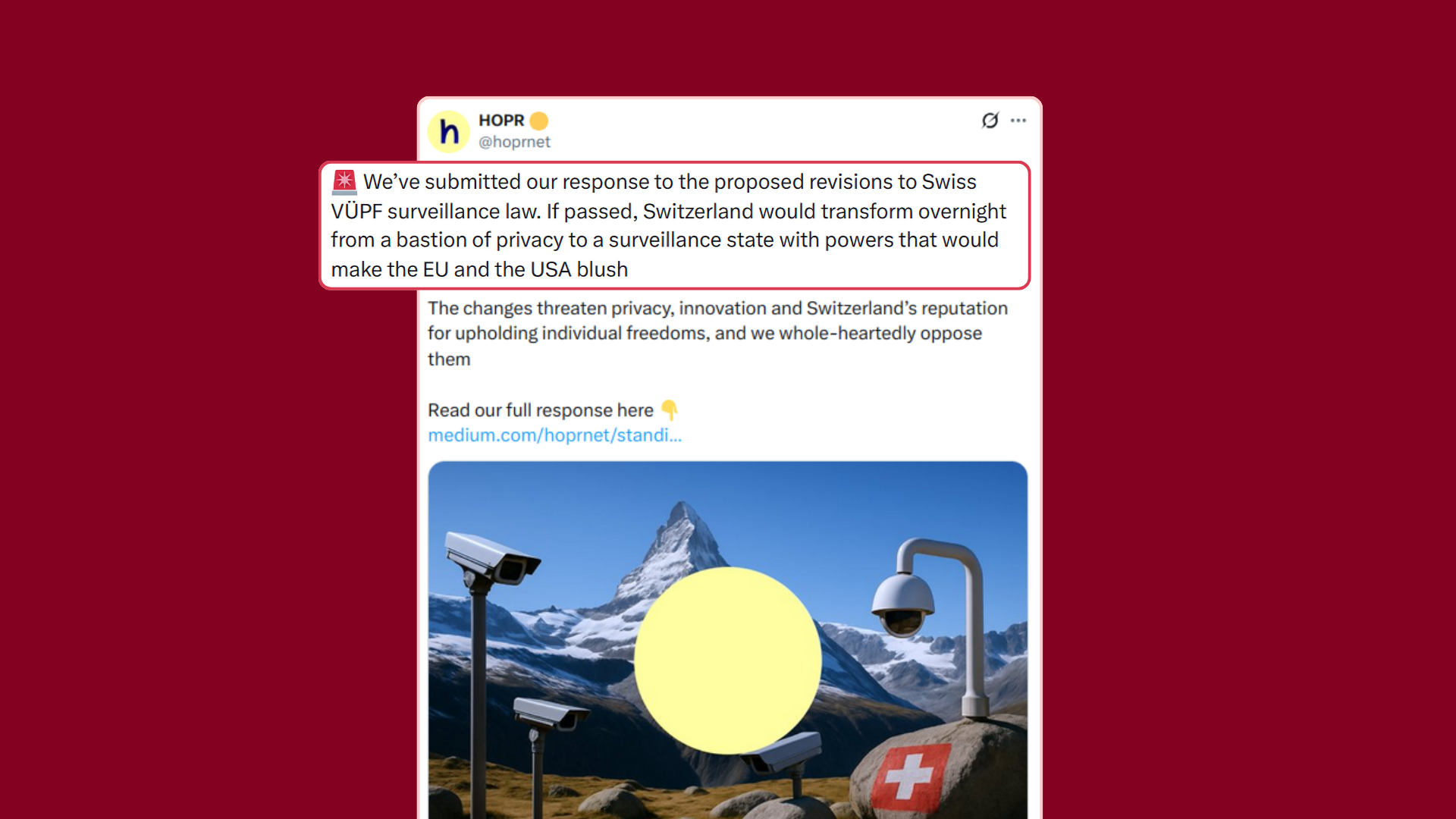
Switzerland has worse surveillance plans than the US. broken
The amendment to the Swiss surveillance law VÜPF will directly target VPN and encrypted chat and email providers based in Switzerland.
Now that you are independent, what is the relationship between the Session Technology Foundation and OPTF?
Both organizations are now completely independent. The Session Technology Foundation is the manager of Session; It manages open source repositories, handles app publishing, and provides development support to contributors throughout the ecosystem.
Today the OPTF’s role is mostly historical. it Played a meaningful role in the early years of the sessionAnd it remains a supporter of digital privacy more broadly.
How does the foundation aim to bridge the user base gap between Signal and Telegram?
The current popularity of Signal and Telegram grew because they were able to meet the needs of people. Similarly, Session is meeting a need that people have now and will continue to have in the future, the ability to communicate securely and privately without tying your identity to a phone number.
Communication and privacy are universal needsAnd as we continue to improve the application and overall platform experience, more people will naturally choose Sessions because they want to communicate securely, privately, and without turning into a data point.
Our focus is not just on chasing user numbers. It’s really about creating something valuable and reliable. If we stay focused on that mission, the audience will follow. We are already seeing that development become more mainstream as awareness of privacy and metadata risks increases.
How do you explain to people that the session token is not just a cash grab?
The Session Token is a mechanism to create a sustainable future for Sessions. This is not short-term thinking – but long-term. If we want private messaging infrastructure to be owned and operated by the community rather than a single company, there needs to be a secure and decentralized way to incentivize and support that infrastructure. This is the role of the session token.
The purpose of the session token is not to line the pockets of a fewIt’s about creating an ecosystem where private messaging can be of public interest to the public, Instead of relying on a private enterprise to run the necessary communications infrastructure, we are creating a model where the people who support the network and contribute value are the ones who benefit from it,
session token – session token
The future of privacy is driven by you.
The structure of the session makes content moderation almost impossible. What do you think about trust and security?
Encryption is fundamental to our model of trust and security. Often, conversations around online security are couched in terms of security and privacy, but in reality they are security measures in place.
There is no future for online security without privacy and security; These are first principles.
The sessions are designed so that people are in control of their experience.
There are user controls around message requests, participation in open communities, and contact search, allowing people to decide who is talking to them and what can be shared with them. A session is a tool, and since there is no ‘one person’ running the forum, STF cannot claim to be the arbiter or moderator of your specific conversation.
Instead, Sessions enables community-level moderation; People set criteria for the spaces they attend, and those criteria are enforced locally rather than through platform-wide scanning or monitoring.
At the technical level, There is no way to conduct full, platform-wide moderation on an encrypted platform without backdooring the encryption.We believe that weakening encryption will ultimately make everyone less secure, not more, Our approach to trust and security is about empowering people, strengthening privacy, and giving communities the tools to keep themselves safe without compromising security,
In these times of polarization, is the bigger threat to privacy now government overreach or are people just not caring anymore?
Part of the attack against encryption is to try to convince people not to care about it. If the public becomes apathetic, it becomes very easy to undermine privacy without any resistance. indifference is not a solutionIgnoring the issue of online privacy makes the problem worse and leaves everyone more exposed.
Government overreach is a real concern. Some proposals around the world target both the technology and the people making secure devices, often through mechanisms that could weaken encryption or introduce scanning systems. It is important to remain cautious, especially with regard to backdooring encryption (Like through scanning mechanism, i.e., chat control,
Technology itself can also be the enemy of privacy when it is designed without security in mind. The pervasiveness of AI, especially when it is embedded at the operating system level, presents an existential threat to secure communications and online security in general.
Are you a session user? Thinking of trying it? Let me know in the comments below!
<a href