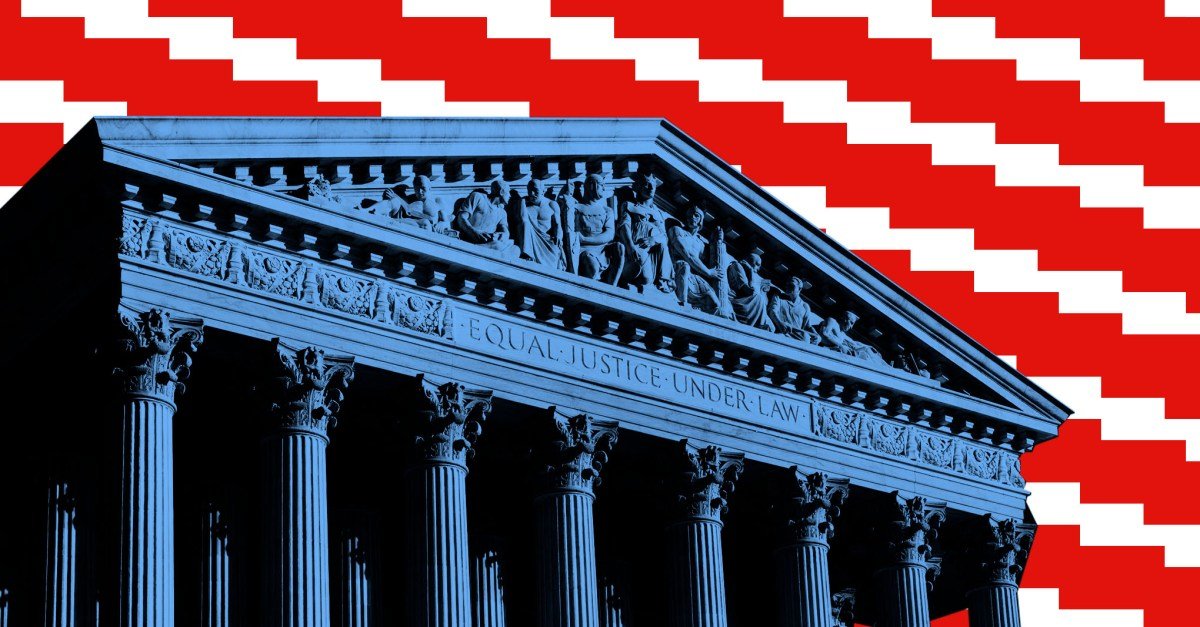
The Supreme Court upheld birthright citizenship, ruling 6-3 against President Donald Trump’s attempt to end the long-standing constitutional right through executive order.
Birthright citizenship dates back to Reconstruction. Under the 14th Amendment, which was ratified in 1868 to guarantee citizenship and equal protection to the children of formerly enslaved people, anyone born in the United States “and subject to the jurisdiction thereof” is a citizen.
Just hours after being sworn back into office in early 2025, Trump issued an executive order titled “Protecting the Meaning and Value of American Citizenship” — and the administration was almost immediately sued in response. Defending the executive order before the Supreme Court, Solicitor General D. Sawyer argued that noncitizens and their children are not “subject to the jurisdiction” of the United States because their allegiance is with a foreign power.
An estimated 250,000 children are born to non-citizen parents on American soil each year. The birthright citizenship ban would not apply retroactively, but would apply to anyone born more than 30 days after Trump’s executive order was issued.
Even conservative judges were skeptical of the administration’s reasoning. After Sawyer claimed that the 14th Amendment needed to be reconsidered because we live in a different world than Reconstruction, Justice Neil Gorsuch retorted: “It’s the same Constitution.” Still, the fact that such a fundamental constitutional right was up for debate shows how much Trump’s nativist vision has influenced American politics.
Gorsuch eventually relented, not only signing Justice Clarence Thomas’s dissenting opinion but also writing an opinion of his own. Justice Samuel Alito also dissented.
<a href