regional differences
Researchers say aerosols can also contribute to cloud formation, causing even more damage. But the degree of that contribution is very hard to estimate, so researchers focus on aerosols for most analyses. Some of those aerosols occur naturally, usually from dust blown by winds in desert areas. However, despite the desert’s reputation as a sunny paradise, the entire world has not yet built much solar infrastructure in the desert, so this is not as big a factor as you might expect.
Coal appears to be a major contributor. It is estimated that sulfur dioxide aerosols, produced primarily from coal burning, accounted for about half of the aerosols analyzed here. Carbon-rich materials, which also typically come from fossil fuels, account for another 18 percent.
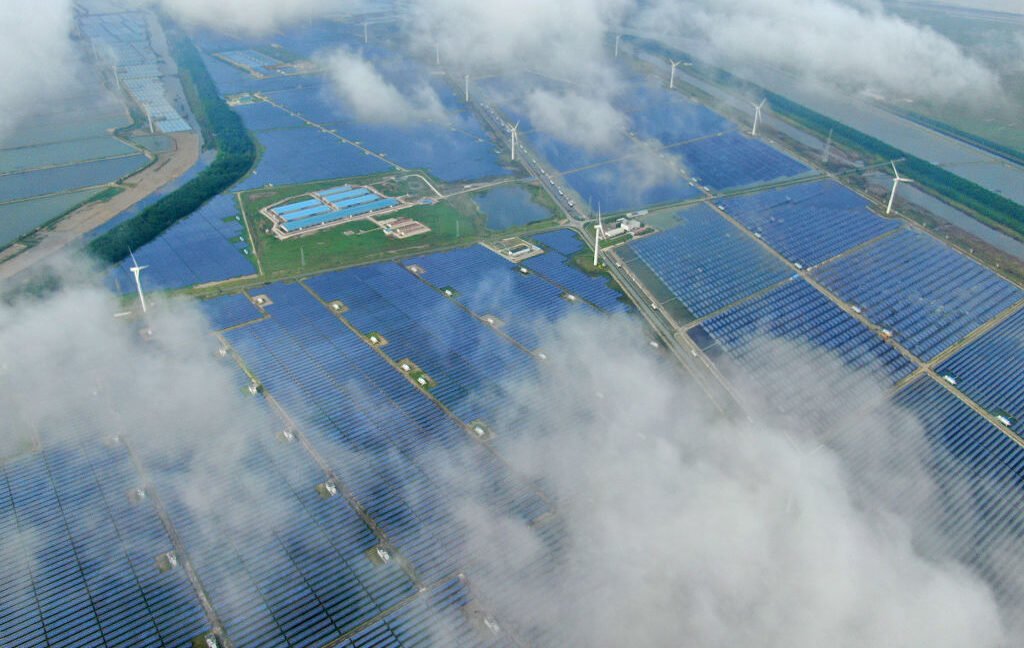
However, the effect of aerosols is not evenly distributed. In China, researchers estimated that aerosols were reducing overall solar output by 7.7 percent and offsetting one-third to half of its annual increase. The researchers say that “the spatial distribution of photovoltaic losses in China reflects its coal-fired power potential,” and an analysis of China’s pollution data shows that 30 percent of losses due to aerosols could be due to coal burning.
In contrast, most solar generation in the US occurs in the South and West, while coal plants are more common in the East and Northeast. As a result, annual losses in the US were less than half (3 percent) of those seen in China.
The good news is that the situation is getting better in China. In response to some serious pollution problems, the country built a new generation of high-efficiency coal plants and eliminated some of the worst polluters. And data shows that as the impact of aerosols has declined over the past few years, solar power is also benefiting from it.
Even with improvements, it is surprising that coal appears to be the only energy source that has actively reduced productivity to become its primary competitor. It should also provide incentives to phase out coal more rapidly, as increased productivity from solar power will offset at least some of the losses in coal production.
Nature Sustainability, 2026. DOI: 10.1038/s41893-026-01836-5
<a href