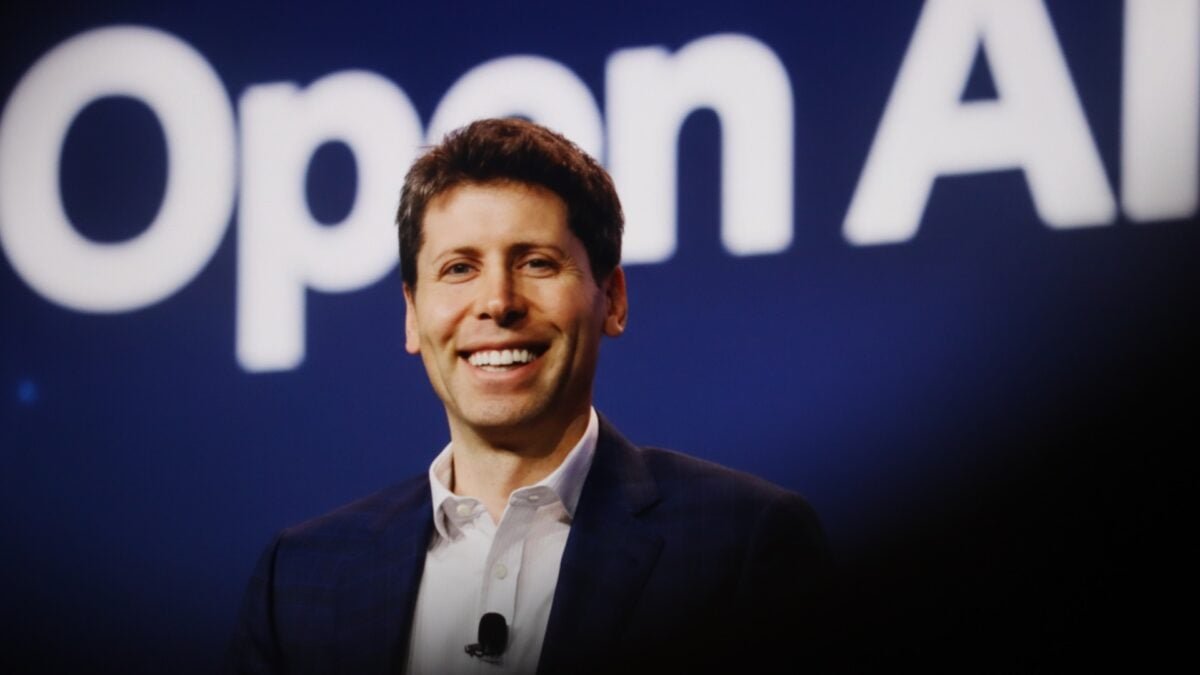

Educators across the country have expressed concerns about how AI will impact the classroom, encouraging children to pass grades instead of actually learning. So OpenAI has decided to fight fire with fire and provide teachers with access to ChatGPT for teachers. Finally, teachers can grade their chatbots to grade their students’ chatbot work. problem solved.
According to the company, ChatGPT for Teachers is designed to help teachers create content for their classrooms, and will support Family Educational Rights and Privacy Act (FERPA) requirements so teachers and school staff can work securely with student data within the workplace. The company says the suite of tools will be available to teachers for free until June 2027, perhaps the point at which OpenAI needs to show it can actually generate revenue and demand payments from teachers who have become dependent on the suite of tools.
ChatGPT for Teachers is designed specifically for teachers working with students in K-12. OpenAI has a similar but slightly different plan to connect colleges to ChatGPT, which it calls ChatGPT Edu. Many colleges across the country have signed up for that program and integrated chatbots into part of the campus experience.
It’s clear that schools have become a battleground for AI companies looking to get their product into as many institutions as possible – possibly, in part, because they are rich sources of unique data that can be used to train models, and because many of them have massive budgets and rarely abandon a service once committed. Elon Musk’s XAI offered students free access to its chatbot Grok during exam season, and Google is offering Gemini AI to students for free until the end of next year’s academic calendar.
Whether the presence of chatbots in these locations actually provides a service to anyone other than the company making the product is unknown at this point. Teachers are already having trouble getting children to engage in the work in front of them. The country lags far behind in math scores – so far, in fact, that UC San Diego started a remedial course because many of its incoming students couldn’t do middle school-level math. And some students are leaning towards LLM to complete the course without learning the material themselves.
There’s already growing evidence that relying on AI can destroy critical thinking skills, which is something you’ll want kids to be involved in, at least during school hours. Other studies have shown that people “offload” more difficult cognitive work and rely on AI as a shortcut when it is available, ultimately harming their ability to perform that task when they do not have the tool to fall back on. So what could be wrong with giving those devices to both students and teachers? Looks like we’re about to find out.