According to the Centers for Disease Control and Prevention, about 150 cases of cyclosporiasis have been reported in 17 states since the beginning of May, resulting in about two dozen people requiring hospitalization. However, the true number of cases is almost certainly higher, and no clear food source behind these outbreaks has yet been identified.
loud and explosive
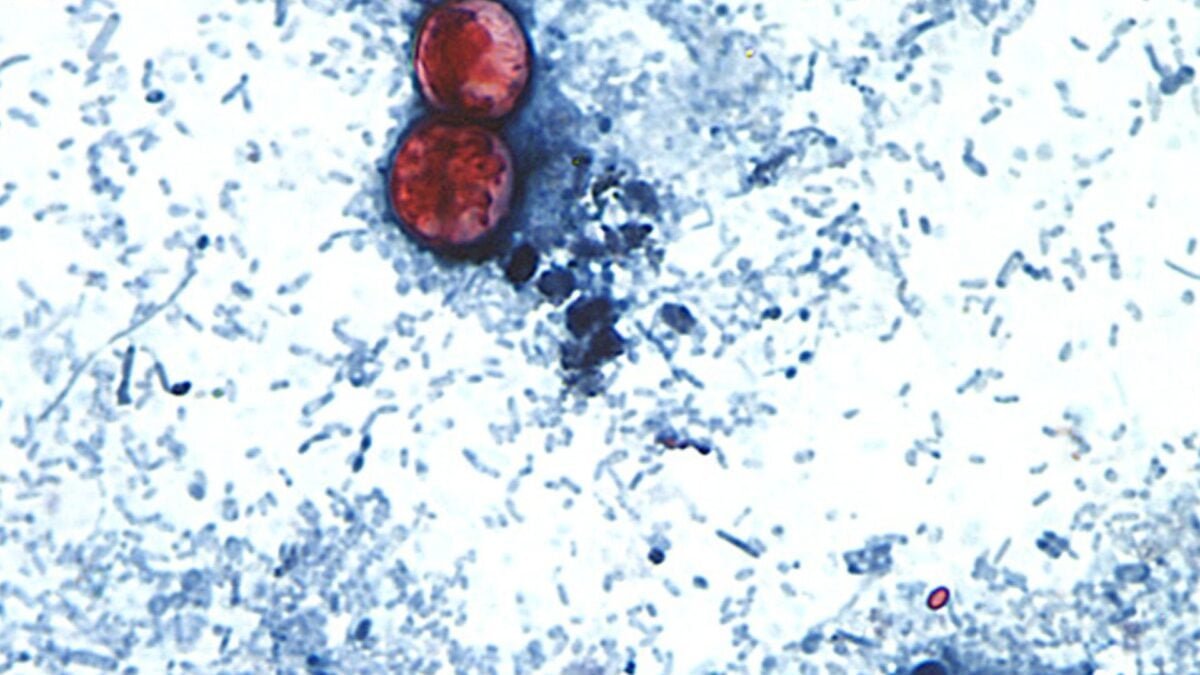
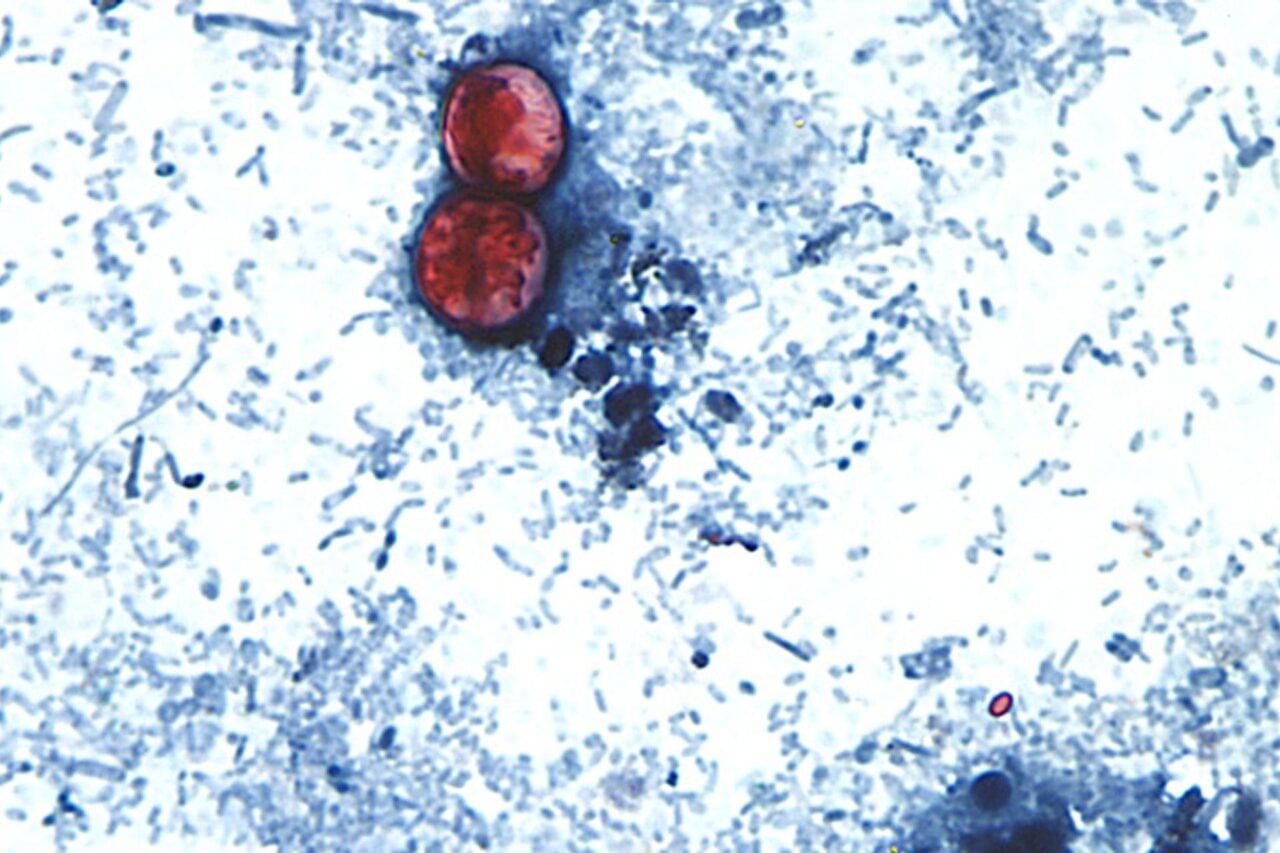
Cyclosporiasis is caused by various species of microscopic parasites. cyclosporaAlthough it is mainly Cyclospora caytanensis.
It usually takes about a week to feel sick after becoming infected, and according to the Cleveland Clinic, the main symptom of cyclosporiasis is “loud, watery (explosive) diarrhea.” Pleasure. Infection can also cause fatigue, loss of appetite, and vomiting, although some people infected with the parasite are lucky enough to avoid any symptoms. People usually feel better after a week or two without the need for treatment, although symptoms may last for up to a month. Infection is rarely fatal, although people with weakened immune systems are more susceptible to serious illness.
Cyclosporiasis is a nationally notifiable disease in 47 states, meaning doctors and testing laboratories are obligated to report any confirmed cases to their local or state health department. According to the CDC, cases of cyclosporiasis increase during the warmer months in the U.S. and this year is no exception. Between May 1 and June 16, 145 domestically acquired cases in 17 states have been reported to CDC; Of these, 20 people have been admitted to hospital, although no deaths have been recorded. There have also been 45 travel-related cases (meaning they were likely infected outside the US).
As is often true for foodborne illness, however, there are probably many more hidden cases, as many infected people may not seek medical attention for their symptoms. Diagnosis is further complicated by the fact that most laboratories do not routinely test stool for cyclosporiasis, meaning doctors have to request specialized tests, and many people do not shed enough of the parasite in their stool to be detected at first, often requiring several days of testing.
The largest outbreak is currently in New York, where between 31 and 80 cases have been reported, according to CDC data, but that’s probably not the only state that needs to be concerned.
“Local, state, and federal (CDC, FDA) public health officials are investigating multiple clusters of cases in multiple states. The investigation is ongoing to identify potential sources,” the CDC reported in its latest update on June 18.
There already appear to be larger clusters of cyclosporiasis than currently documented by the CDC. For example, on Tuesday, Michigan health officials reported that southeast Michigan has seen more than 150 cases since June 22. A representative for Monroe County told Gizmodo exclusively on Wednesday that 90 cases have been reported in the county so far.
What to do
Cyclosporiasis is spread by eating food and water contaminated with infected feces, and outbreaks are often linked to produce. So far, no common sources of infection have been identified by the CDC or local health departments for these latest clusters, but there are still steps you can take to reduce your chances of contracting it.
The CDC recommends always washing your hands with soap and water before and after handling or preparing raw fruits and vegetables; Wash all fruits and vegetables thoroughly under running water before eating, cutting, or cooking them (if the product is labeled pre-washed, you don’t need to do this again), and refrigerate cut, peeled, or cooked fruits and vegetables as soon as possible (within two hours if possible).
<a href