The attempt to do this through chemical means is a response to the shortcomings of other strategies they have tried. Traditional mechanical recycling through shredding and grinding causes the fibers to be broken down. The resulting fabric must be mixed with 70 to 80 percent virgin material so that anything made from it will not pill or tear.
A more popular strategy involves turning discarded plastic bottles into new polyester. Patagonia pioneered this approach in the early ’90s, and by the beginning of this decade almost all recycled polyester was derived from old bottles. However, today, companies are increasingly facing lawsuits and regulatory scrutiny from people who want to see bottles transformed back into bottles.
Chemical recycling is considered the next best thing. The term refers to using solvents to dissolve fibers into their base chemical units—building blocks that can be spun into new fabrics. At first glance, this is actually a “circular” solution, as it doesn’t rely on bottles, and proponents say it can turn your used polyester shirts or running shorts into new ones again and again, with no loss in fabric quality.
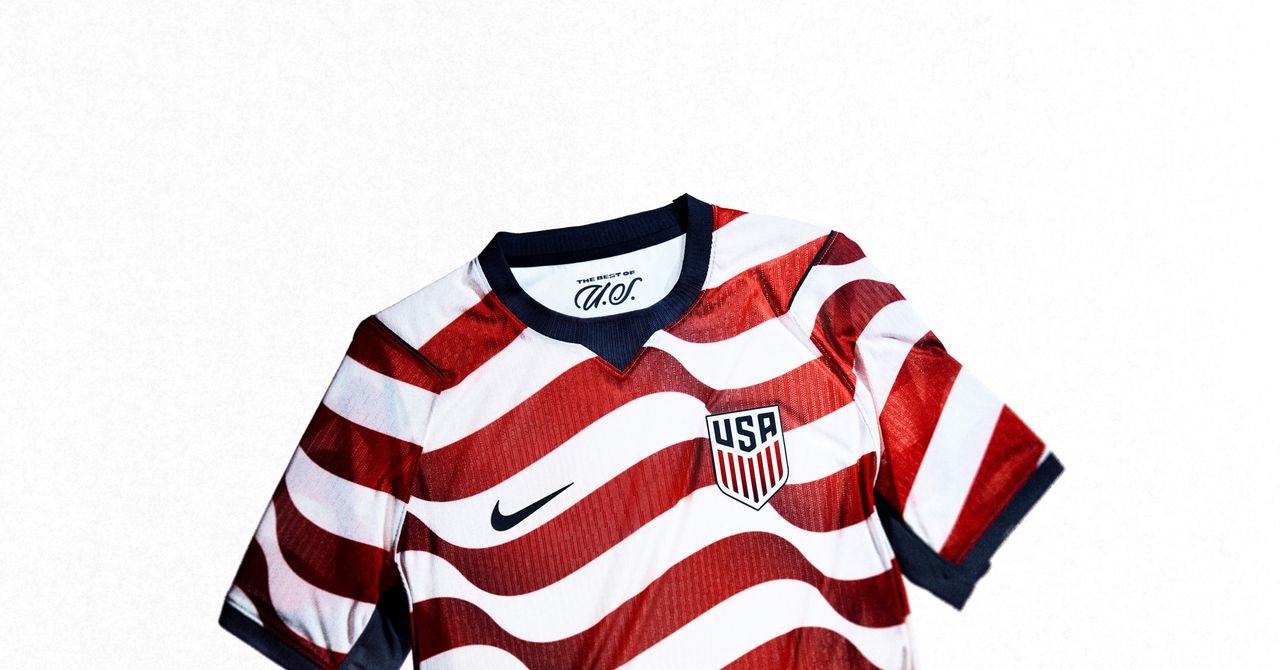
The same approach is now being promoted by fast-fashion brands like Gap, H&M and Levi’s, many of which have signed multiyear agreements with a handful of chemical recycling startups. Last time, Nike agreed to get “circular” polyester from two of them: Swedish firm Sawyer and Loop Industries in the US.
Research exposes some propaganda. Technically, chemical recycling can produce virgin-quality polyester, and at least one method, called methanolysis, is able to preserve that quality through repeated rounds of recycling. But there are significant obstacles.
Diana Ferreira, a textiles researcher at the University of Minho in Portugal, said textile-to-textile chemical recycling is limited by the availability of suitable fabrics to do the job. “If we are dealing with clean, well-sorted, polyester-containing waste streams, chemical recycling can, in theory, produce a material with properties comparable to virgin polyester,” she said. “However, if we are talking about post-consumer textile waste, the situation is much more complex.”
In other words, chemical recycling works best with industrial scraps, which are more homogeneous than a pile of used clothing. The latter can include blends of cotton, nylon, wool, spandex and acrylic, not to mention dyes, chemical coatings, threads, labels and zippers. All of these things make chemical recycling much less viable – at least, not without repeated rounds of careful sorting and pre-treatment to chemically remove all those contaminants.
“If we want this to work, we have to make our clothes… 100 percent polyester, and we have to get rid of a lot of toxic chemicals,” Singla said.
Beth Jensen of the nonprofit Textile Exchange is more optimistic. She said “all solutions”, including chemical recycling, are needed to reduce the fashion industry’s reliance on fossil fuels. But she agreed that it is still a long way from establishing the infrastructure needed for companies to accept used clothing and use technologies such as methanolysis to make it into new apparel. Also, it is not clear who will build it. Companies like Nike? Governments? Recycler? Some combination of those entities working collaboratively?
<a href