“War-related disruptions in the Middle East and rising fuel costs have made the outlook for airlines worse,” IATA Director General Willie Walsh said in a press release.
Shortly after US and Israeli airstrikes on Iran began on February 28, the Islamic Republic responded by shutting down almost all traffic through the vital oil chokepoint of the Strait of Hormuz. The move completely disrupted global energy trade, creating a jet fuel shortage that the head of the International Energy Agency called “the biggest energy crisis ever.”
In March 2026 alone, U.S. airlines spent $5.06 billion on jet fuel, according to the Department of Transportation, a dramatic increase from the $3.88 billion spent in March 2025.
According to IATA estimates, the entire global airline industry is expected to bring in a net profit of $23 billion in 2026, which is half of the previous projections of $41 billion and also half of the $45 billion the industry brought in last year.
“Net profit per passenger is expected to fall to $4.50, half of last year. Under the circumstances, this shows resilience,” Walsh said. “But at most FIFA World Cup venues that won’t even get you a hot dog and it doesn’t leave you with much.” [a] “Buffer in case other costs or taxes start to add up.”
That financial fallout is likely to impact both companies and passengers.
“Unfortunately, I think there will be some carriers who will find it very difficult to deal with these high fuel prices,” Walsh told Reuters on Tuesday. He said he expected some airlines to go out of business or be acquired by larger competitors.
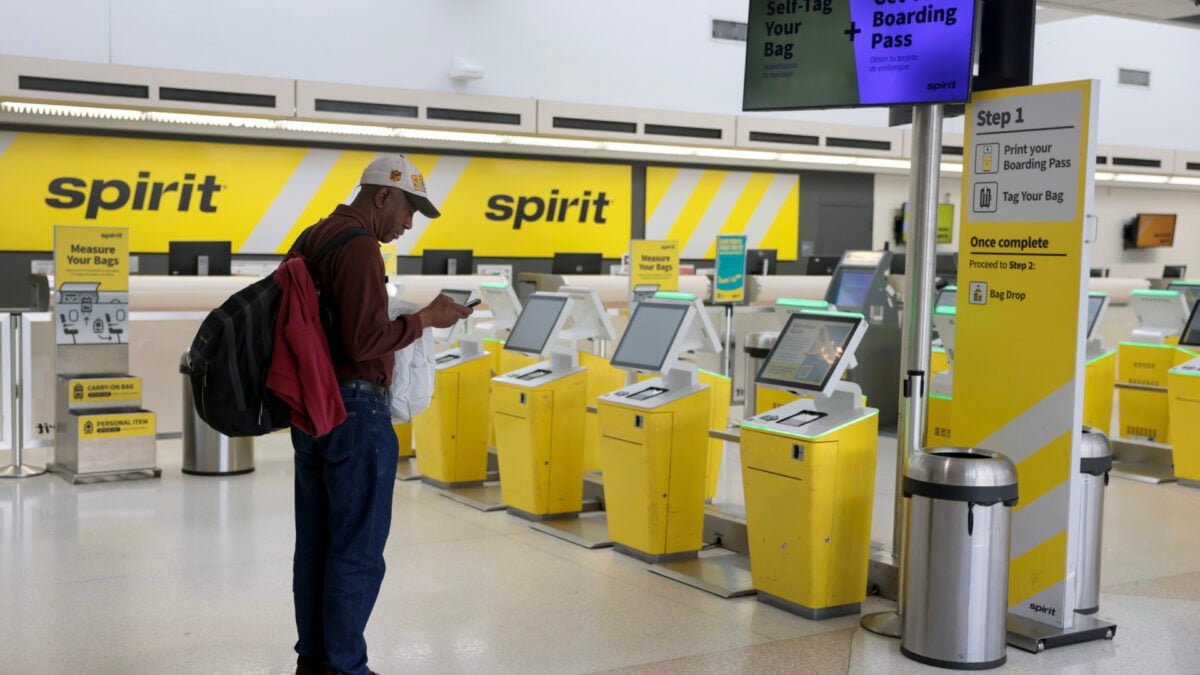
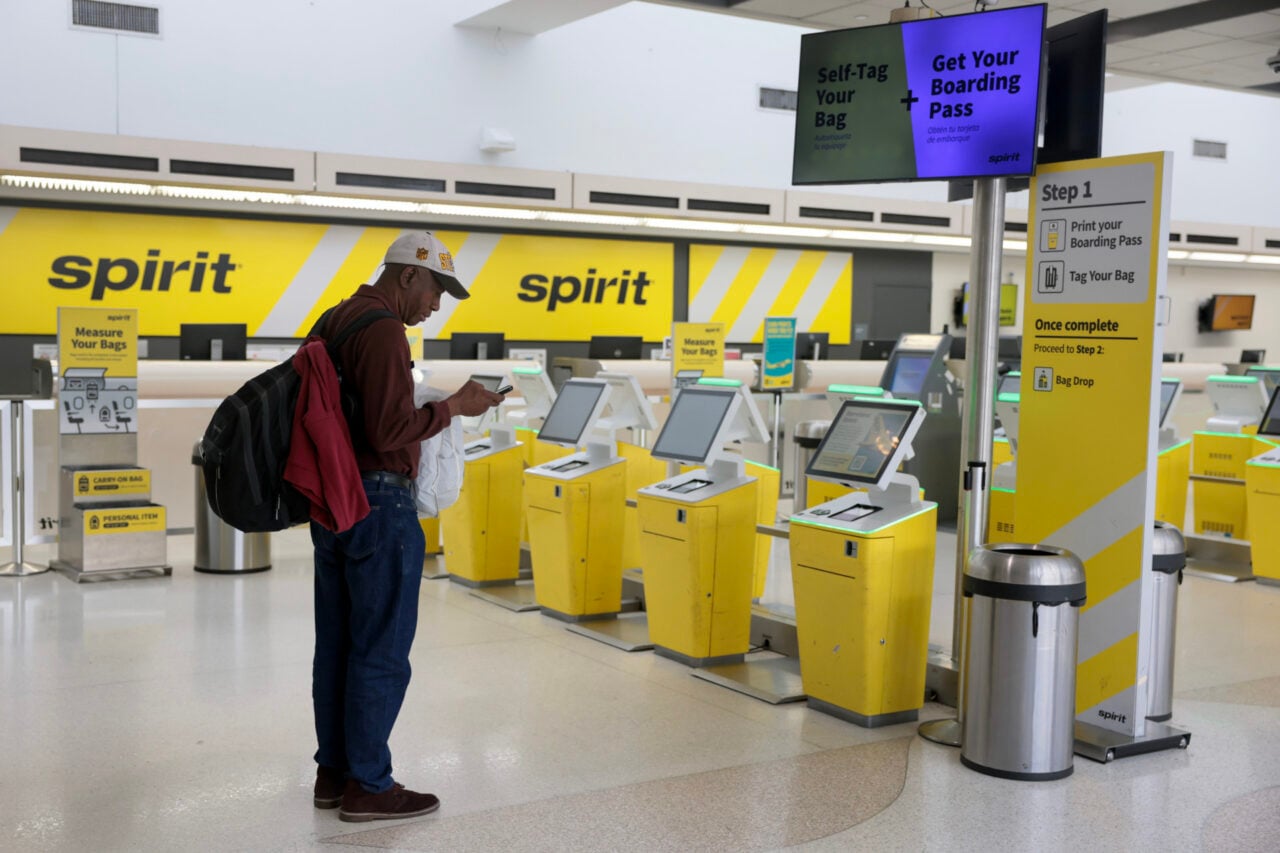
An early example of this was Spirit Airlines. After 34 years of operation, the budget carrier officially ceased all operations last month. Spirit had been struggling financially for some time, but skyrocketing jet fuel prices were apparently the final blow.
Last month, Neil Sorahan, CFO of European budget airline Ryanair, told CNBC that “some weaker carriers that were already struggling before the war” could go bankrupt in the winter due to rising jet fuel prices.
Airlines that serve relatively wealthy travelers, such as United or Delta, are not too concerned, as rapidly rising fare prices coupled with rising jet fuel prices have not completely deterred their passengers from purchasing plane tickets. But budget airlines that are known for offering affordable fares acknowledge the seriousness of the threat they face. In April, a group of budget carriers including Spirit’s former top competitor Frontier Airlines asked the Trump administration for a $2.5 billion bailout. The bailout request was rejected in May.
Airlines are responding to rising jet fuel prices in three main ways: absorbing some costs, cutting unprofitable routes and increasing fares. Walsh expects all of this to continue in the short term. The price of flight tickets has already increased by more than 20% since last year.
“Higher oil prices will inevitably mean higher ticket prices,” Walsh said over the weekend, according to The Guardian. “There’s no way to avoid it.”
The real “big unknown”, according to Walsh, is not whether exorbitant fares will continue, but how long air travelers are willing to tolerate the higher costs.
<a href