historical needs
It’s unclear what strain of flu is spreading at the base. The spread of seasonal influenza viruses decreases in the general population during the summer. But activity doesn’t drop to zero, and the close quarters and extensive contacts within a base make it easy for transmission to skyrocket.
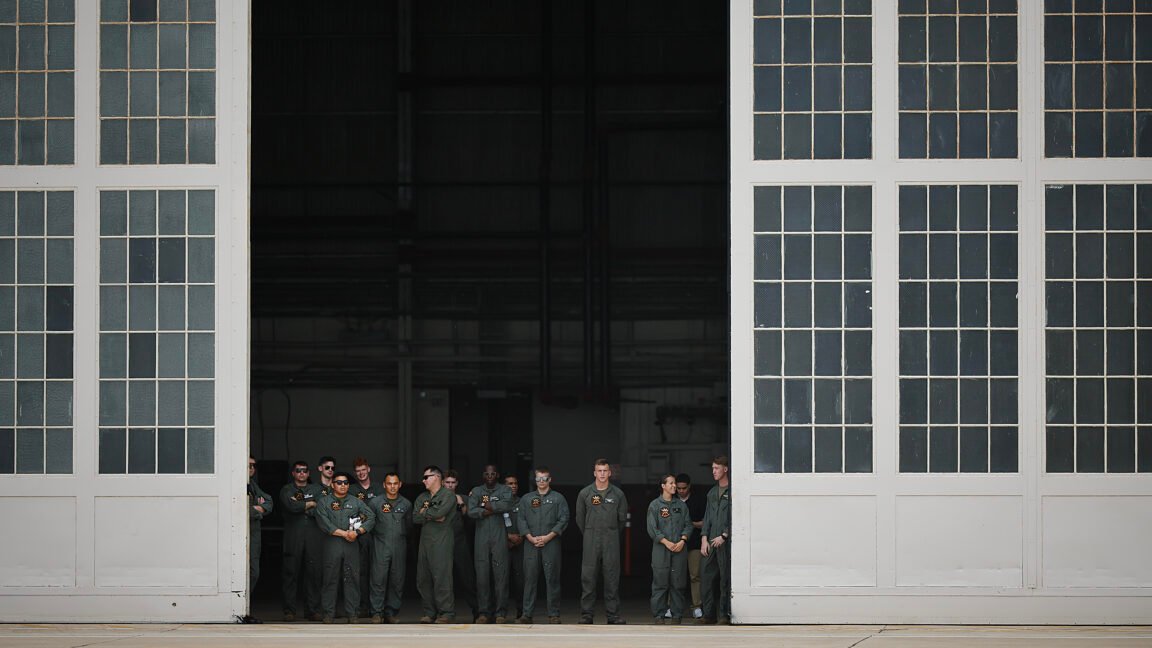
In a statement to Ars Technica, Pentagon spokesman Sean Parnell said the Pentagon has exempted the Army, Navy, Air Force, National Security Agency and Defense Health Agency from Hegseth’s optional flu shot policy. The exceptions came after a “comprehensive review” and are in line with the standard policy of “adapting force health protection measures to critical operational realities”.
Parnell said, “Decisions were based solely on risk assessment and are designed to maximize operational readiness, lethality and force production while protecting at-risk populations.”
The Air Force aims to vaccinate all recruits at the Texas base, with one exception, and the Army is preparing to expand the reinstated vaccine requirement to other groups, including troops deployed overseas, according to ABC News.
The U.S. armed forces have a long history with pathogens, beginning in 1777 when George Washington ordered Continental troops to be inoculated against smallpox, which ravaged the army during the Revolutionary War. In March 1918, serious flu cases occurred at a military base in Kansas. It is estimated that the flu pandemic of 1918 killed approximately 43,000 American soldiers, nearly half of all American military deaths during World War I.
The US military supported the development of the first flu vaccine, which was tested for safety and efficacy in military members. The US military issued its first flu shot mandate in 1945, when the vaccine was licensed.
<a href