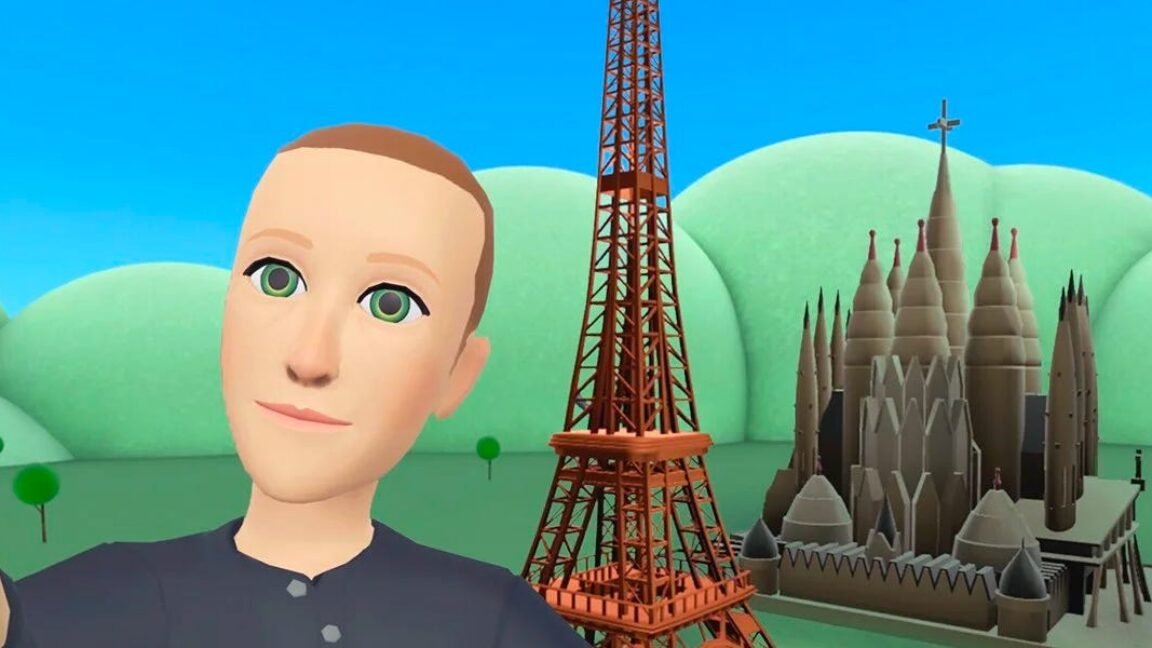
Some of the changes – such as the removal of individual worlds from the VR Store – have been presented by the company as efforts to make the store a better discovery platform for third-party developers.
In general, Meta has framed many of its recent moves as a pivot away from first-party development of VR experiences to a focus on a third-party developer ecosystem, noting that “86% of the effective time people spend in their VR headsets is with third-party apps.”
“We will continue to support the third-party community through strategic partnerships and targeted investments – as we have done from the beginning,” writes Samantha Ryan, VP of Content at Meta Reality Labs.
Meta launched a Horizon Worlds mobile app last year and found that it attracted new users interested in the social gaming aspects of the service, excluding the VR element. It seems that the mobile launch was so successful that the entire service was focused on that platform and audience rather than shutting it down amid other closures of internal content projects.
As far as we know, Meta plans to continue designing, manufacturing, and selling VR hardware and maintaining the storefronts that third-party developers sell for those platforms. It won’t create much content in-house, and you won’t see much buzz now about the promise of an omnipresent, transformative metaverse.
Instead, Meta’s speculative investments appear to be focused on smart glasses as well as AI models, technologies, and applications.
<a href