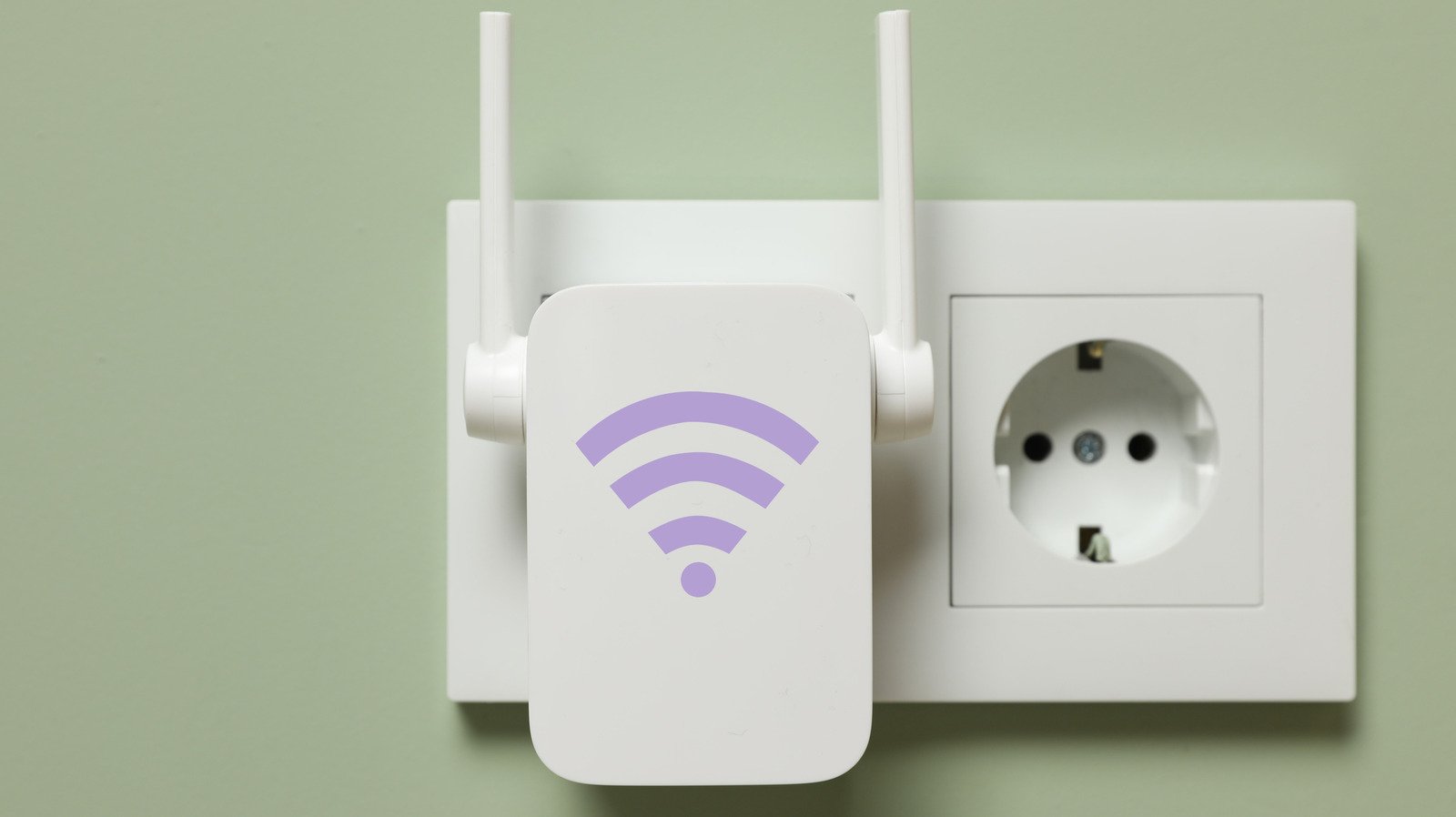
Wi-Fi extenders are inexpensive, but come with distinct drawbacks.
Few inconveniences are as frustrating as a bad Wi-Fi network. Whether your favorite streamer’s video quality fluctuates or you can’t stop losing connection during your Zoom interview, a poor signal can ruin the best-laid plans. But before you ditch your internet service provider, it might be worth investigating how to extend your current network.
Consumers who want to extend their home or office’s Internet signal typically turn to one of two options. Plug-in Wi-Fi extenders extend your router’s signal into distant rooms, but can suffer from strength and reliability issues. Mesh Wi-Fi systems, on the other hand, spread your router’s network evenly across a given space with local satellites, but are more expensive. Which one you choose depends on context specific factors, ranging from your budgetary appetite to the physical dimensions of your home or office.
Before taking an in-depth look at the strengths and weaknesses of each system, it’s important to take stock of your specific Wi-Fi needs. Not to sound like a management consultant, but you need to define the problem before you can design a solution. Are you looking to fill a vacant space in your home, or do you need to expand your coverage through multiple floors and rooms? Do you need a high-powered Internet connection, or are you looking for a budget option that gets the job done with ease? Your answers to these questions will likely determine which of these is right for you.
Extenders vs. Mesh: Which Should You Choose?

The convenience and affordability of Wi-Fi extenders come with their own set of drawbacks. For one thing, extenders do a poor job of creating broad coverage over large areas and aren’t ideal for larger homes. Because they must receive and retransmit your router’s signal, conditions and other environmental factors can have a huge impact on performance. Additionally, extenders connect to both your router and device via the same radio band, halving the available bandwidth. Because extenders typically rebroadcast the signal under a different Wi-Fi name, they require users to reconnect when they tap into their network. Although this can be managed when deployed selectively, relying on extenders throughout the home can become an inconvenience, especially for bandwidth intensive activities.
Mesh Wi-Fi systems, meanwhile, create a wider network by deploying multiple nodes that provide similar coverage. Smart routing automatically connects devices to the strongest signal, eliminating dead spots and the need to connect to a new network. These increasingly popular systems require you to replace your existing hardware with a mesh router and its satellite nodes.
Unfortunately, mesh systems are expensive and difficult to install compared to Wi-Fi extenders. However, it is relatively easy to add additional nodes after initial installation, making your mesh network a scalable solution capable of providing an equally reliable solution across multiple rooms and floors.
Although this is overkill if you have limited bandwidth requirements or live in a studio apartment, mesh networks are undeniably superior if you need strong coverage over large areas. If you’re setting up an entertainment center in the basement or need to host video calls from your attic-turned-office, a mesh network will extend your signal without any bandwidth degradation. The best mesh Wi-Fi systems provide a fast, reliable signal throughout your home. Whether you’re willing to pay a hefty price for it probably depends on your location and consumption habits.
<a href