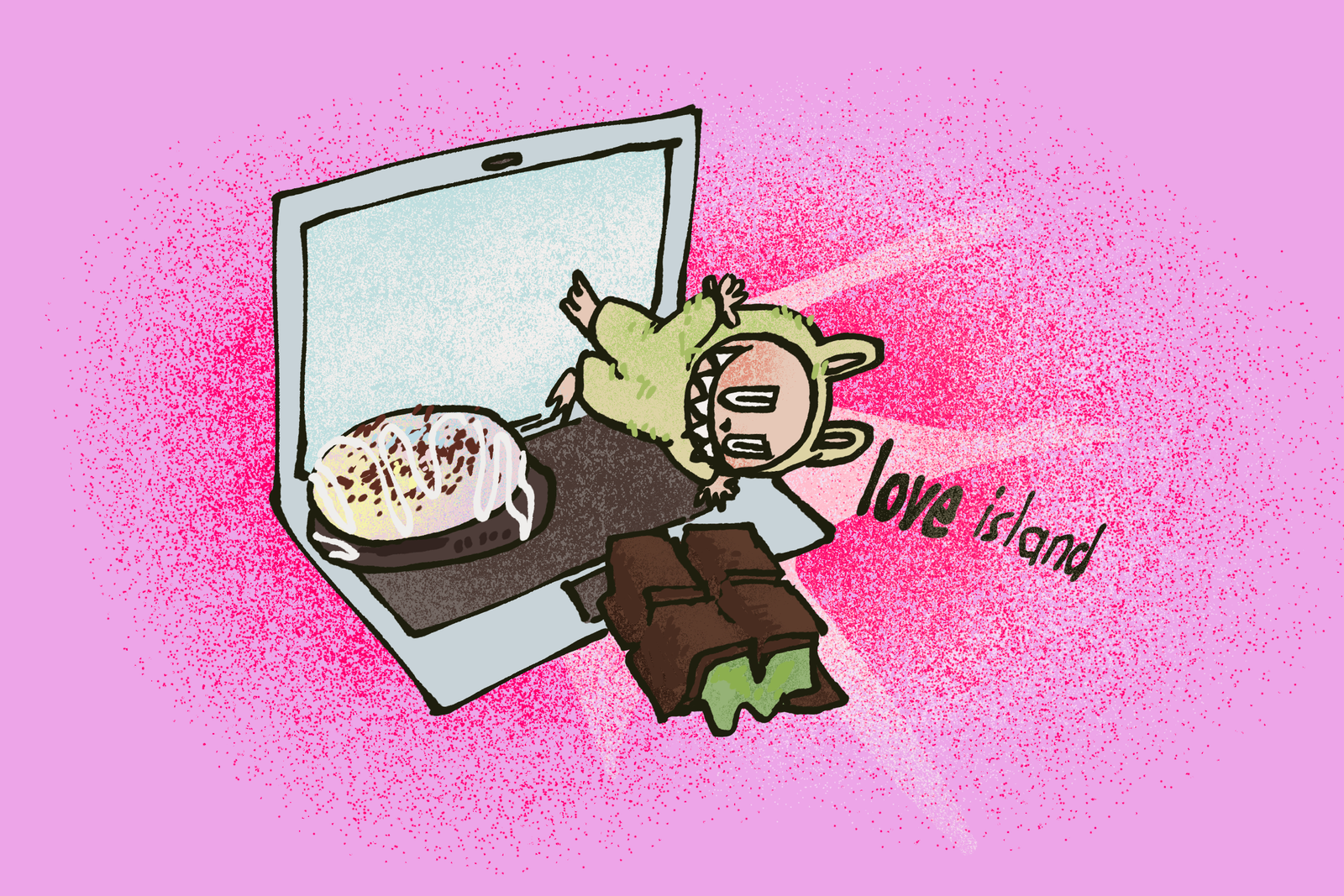
Labubu.
That word alone is enough to make some people sweat and it’s hard to blame them. These furry, little creatures, the stares that some have called monstrous, became virtually inescapable last summer. Everywhere I turned, from the airport to the mall to the bathroom at my minimum wage job, LaBus was following me, staring at me with backpacks and key chains.
Labubus started out innocently enough, starting with a picture book series by Kasing Lung in 2015, before they became toys. However, after slowly gaining popularity throughout 2024 and early 2025, Labus exploded in popularity over the summer, flying off store shelves around the world. As demand increased, resale prices skyrocketed and they became harder to find, to the extent that some people deliberately chose to spend money purchasing counterfeit Labubus, affectionately known as “Lafufus”.
However, this attraction was short-lived. Whereas in summer you might have to spend $200 on Labubu If You can get your hands on one, today I scroll through my feed and find microinfluencers promoting real Labubus for $30 on the TikTok Shop. It’s not hard to find them now. Combined with the fact that the stock price of Pop Mart – the company behind Labubus – has declined by approximately 35% since its peak in August 2025 (at the time of writing), it is clear that Labubus is on a decline.
Of course, LaBubus is not alone in this fall from grace; Fads always come and go. However, as prominent as the LaBus became, they disappeared from popular culture unusually quickly – even for a fad. Although it may seem incongruous, a clear pattern emerges when analyzing Lebus and other big trends that have appeared out of nowhere recently.
In an age when people are more connected to each other through the Internet and social media, trends can become widespread faster than ever. Additionally, in an age when most internet users consume more short-form content than anything else, our attention spans are shorter than ever, causing these trends to disappear from the face of the earth when people get bored of them.
Because of this, the Internet has become a tapestry of many different digital phenomena, all so massive that they define the culture while they’re around, only to have our brains blank out just as quickly as they appear when it’s time to make room for the next trend. There’s no single, huge cultural moment anymore that sticks around for years in the shape of “Gangnam Style” or slime or fidget spinners. Instead, trends from different corners of the Internet are combined into one, and we get a mash-up of “Labubu Dubai Chocolate ‘Love Island’ Matcha Benson Bun Moonbeam Ice Cream Cookie.” it is a mess.
And yet, no matter how crappy the modern Internet is, it will never go back to the way it was. The reality is that the Internet has become decentralized; Instead of people living in one giant, unified group with shared trends and moments, users go their separate ways, social media algorithms provide hyper-curated content that pushes users toward smaller groups with specific shared interests. It is from all these individual, small communities that the many different trends we see today seem to merge into one.
But perhaps this – the chaos, the anarchy, the chaos – is a unifying cultural moment after all, just in a new form. The beauty of the Internet has always been that people from many different locations and backgrounds can come together and interact with each other, so it only makes sense that our trends would follow the same patterns. Looking at big trends of the past, I realized that it is unrealistic for everyone to come together and enjoy the same thing, especially when we constantly preach individualism and influencers inspire us to be ourselves. For the most part, earlier Internet trends were not truly unified; They were just bandwagons that we all jumped on for fear of being left out.
But now, in this new wave of internet trends, no one has to miss out. We are free to enjoy what we want while experiencing trends and culture from an aspect of the Internet we might never have accessed otherwise. It is not everyone being the same that brings us together, but the exchange of culture, information, interests and everything in between that is facilitated by the Internet. Labubus itself is an example of this – despite initially being prominent only in China (where Pop Mart is headquartered), small interactions between Internet users there and the rest of the world allowed the cultural barrier between them to break down, eventually making Labubus a global phenomenon, if only for a short time.
The decentralization of the Internet and its trends has allowed the web to become a more unified, multicultural place – and that’s beautiful. Even if it’s a mess, I’ll happily take all the “Labubu Dubai Chocolate ‘Love Island'”. Matcha Benson Bun Moonbeam Ice Cream Cookie ” is offered through the internet in summer.
Daily Arts contributor Caden O’Donnell can be contacted at caidenod@umich.edu,
Related Articles
<a href