Stellantis, the parent company of Jeep, RAM, Dodge, Fiat and many other car brands, is the latest automaker to announce plans to bring more advanced automated driving technology to its vehicles.
The company on Thursday announced a new strategic technology partnership with UK-based startup Wave. The goal of the partnership is to integrate Wave’s AI driver system into Stellantis’ STLA Autodrive platform.
It could eventually equip some Stellantis vehicles with hands-free, supervised driving technology that works on both city streets and highways, similar to systems already available on Tesla and Rivian vehicles. Stellantis and Wave are describing this first iteration as a Level 2++ system, meaning drivers will still need to pay attention to the road and monitor it while driving.
The first vehicle integration is planned for North America in 2028. Stellantis says the platform can support more advanced automated driving features on the road as regulations and customer expectations grow.
“This agreement is an important next step for Wave and Stellantis in enhancing our technology together,” Wave co-founder and CEO Alex Kendall said in a press release. “Our teams have already demonstrated how quickly the Wave AI Driver can be integrated into Stellantis’ vehicle platforms, bringing a prototype to life in less than 2 months.”
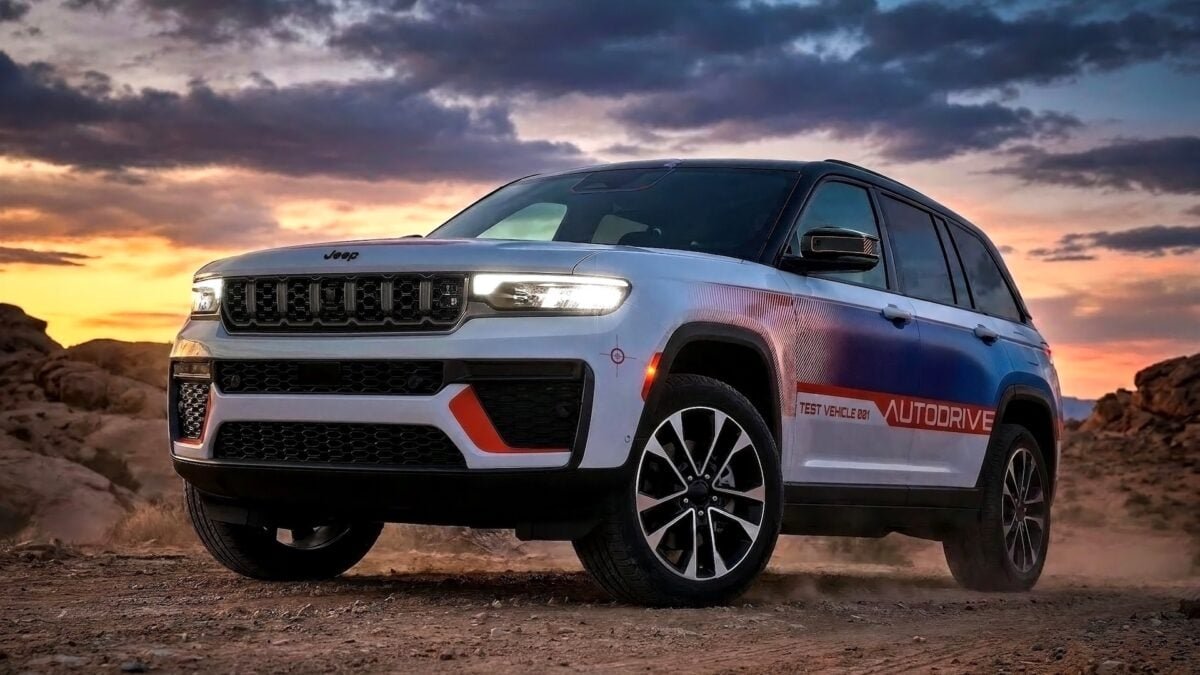
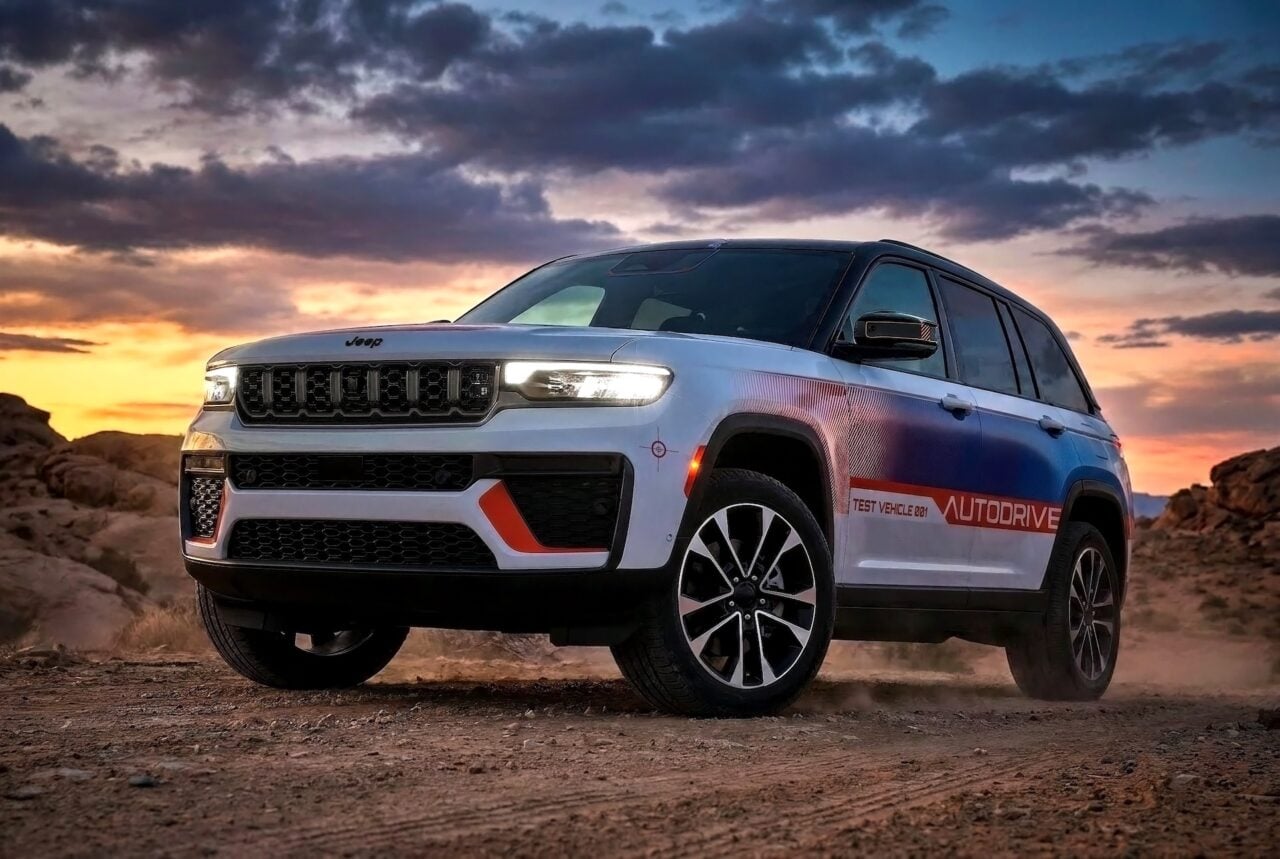
While there’s no word yet on which specific brand or model will get the technology first, Wave developed a prototype with Stellantis in just a few weeks on the company’s Jeep Cherokee platform.
Founded in 2017, the London startup creates autonomous-driving software that learns from real-world traffic using cameras and machine learning. This theoretically eliminates the need for the detailed maps that its competitors rely on. Rather than building its own driverless cars, Wave is focused on software that it says is vehicle-agnostic, meaning it can be adapted to work on everything from passenger cars to delivery vans.
The buzzy startup announced earlier this year that it had closed a $1.2 billion Series D investment round with investors including SoftBank, Microsoft, Nvidia, and Uber. And just last month, Advanced Micro Devices, Arm and Qualcomm Ventures separately announced $60 million investments in the company.
Uber’s investment will specifically support wave-powered robotaxis on the Uber platform. The companies intend to launch their first service in London in 2026, with plans to expand into multiple markets.
Nissan has also signed on to use the Wave’s technology. In December, the automaker announced that it would integrate Wave’s technology into a wide range of its cars from 2027.
<a href