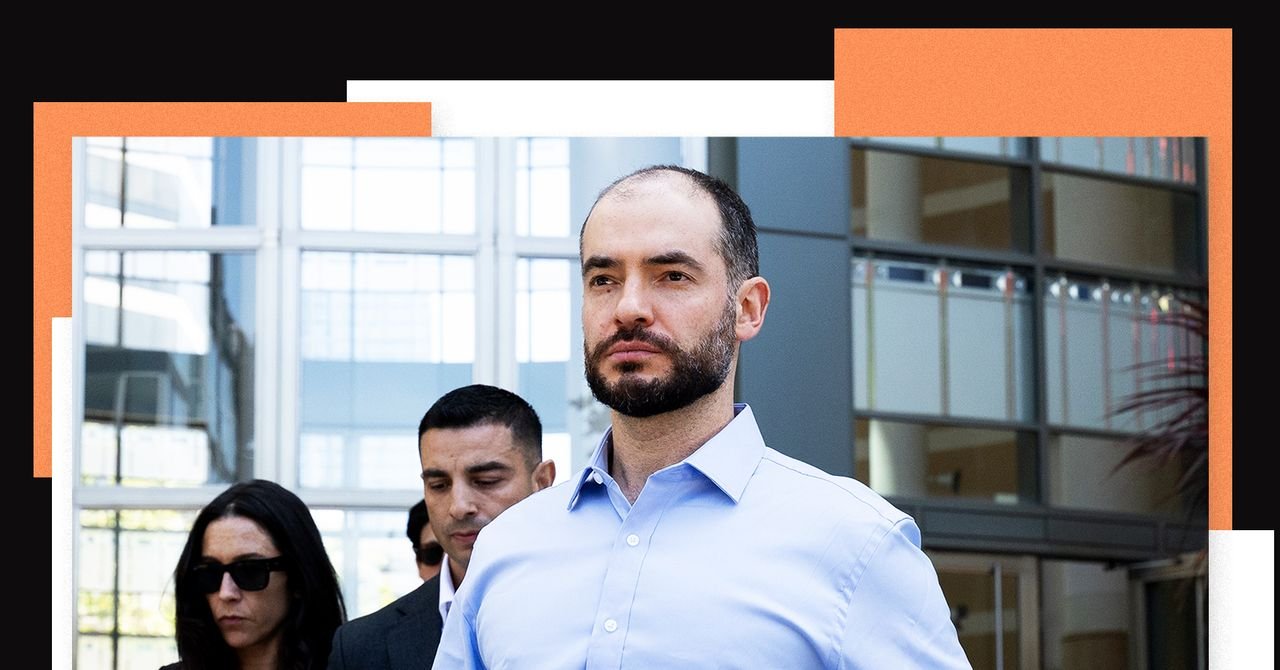
Sutskever made headlines after revealing an ownership stake in the $850 billion profitable arm of OpenAI, which is currently valued at about $7 billion. This makes him one of the largest known individual shareholders of OpenAI. Earlier in the trial, OpenAI Chairman Greg Brockman admitted for the first time that he owned about $30 billion worth of OpenAI shares.
Brockman was one of the original co-founders of the research lab, and Sutskever joined shortly after, turning down Google’s $6 million annual compensation offer. Brockman said he and Sutskever were “attached at the hip” until Sutskever helped briefly oust Sam Altman as CEO of OpenAI in 2023. Sutskever had helped gather evidence to show Altman’s alleged history of deception, and even assisted in drafting a memorandum to the board. An attorney for OpenAI said Monday that although they tried to repair the relationship, Sutskever has since been separated from Brockman and Altman.
Sutskever, the first male witness to testify without a suit jacket, who arrived in the courtroom wearing a dress shirt and slacks, appeared disappointed about no longer being involved with OpenAI. (He left and formed a competing AI lab in 2024.) “I felt a great sense of ownership of OpenAI,” he said at one point on Monday. “I felt like I put my life into it, and I just cared about it, and I didn’t want it to be destroyed.”
Sutskever’s testimony bolstered Musk’s argument that Altman is not the right person to lead an AI lab that could create artificial general intelligence. Additionally, Sutskever noted how the SuperAlignment team he helped lead, which focuses on securing future models, was doing the most important work at OpenAI “for a long time.” The team was disbanded in May 2024, shortly after Sutskever left the company.
But Sutskever also came to OpenAI’s defense, saying Musk never negotiated any specific promises when he funded the OpenAI nonprofit. Musk’s allegation that such commitments existed and that Altman and Brockman violated them by pursuing a lucrative profit-based arm is the core of his claims in the lawsuit. Sutskever said that OpenAI needed “a lot of dollars” to build a computer as big as the human brain, and had some “reasonable success” when asking for donations, but becoming for-profit was the path to consensus.
“I would describe it as the difference between an ant and a cat,” Sutskever said in response to a question from U.S. District Judge Yvonne Gonzalez Rogers about how more computing helped OpenAI level up. “If there’s no funding, there’s no big computer.”
Finally, Sutskever, a prominent AI scientist who paints in his spare time, testified for nearly an hour, barely making eye contact with anyone during his time on the witness stand.
Musk’s legal team had unsuccessfully tried to have Sutskever treated as a hostile witness due to his financial stake in OpenAI. But Gonzalez Rogers agreed to give lawyers for both Musk and OpenAI additional immunity in questioning Sutskever, given what he described as his “unique situation” in the case.
the blip
Much of Monday’s testimony centered around the well-covered events of Altman’s ouster and reinstatement as CEO in November 2023. Nadella described Sutskever and other board members’ dismissal of Altman as “amateur city” and reiterated that he “never got clarity” about the lack of candor that led to their decision. Nadella also acknowledged during his testimony that he and his colleagues discussed 14 potential board members who would join OpenAI when Altman returned, including at least two who were vetoed by the Microsoft group and one who later joined. Nadella called Microsoft’s input a suggestion.
Sutskever said he supports firing Altman because “an environment where officials don’t have the right information” is “not conducive to achieving any major goal.” But he criticized his board colleagues for rushing the process, lacking experience and accepting “legal advice that was not very good”.
Microsoft’s bet
In his lawsuit, Musk accused Microsoft of helping turn OpenAI into a money-making machine beyond Musk’s intentions. Nadella testified that Microsoft had at first supported OpenAI with subsidized cloud computing, but that it could not afford to do so “once the bill started growing”. The more attractive was the profitable branch that Microsoft could invest in in exchange for potential financial returns.
But as the years progressed and the bills mounted, Microsoft wanted more from the partnership. Microsoft “will lose $4 billion next year!!!” Nadella touted the OpenAI partnership in an email to his lieutenants in 2022. He called for a new agreement to ensure that Microsoft would also get AI “know-how” from startups, which he positioned as “open AI”.
<a href