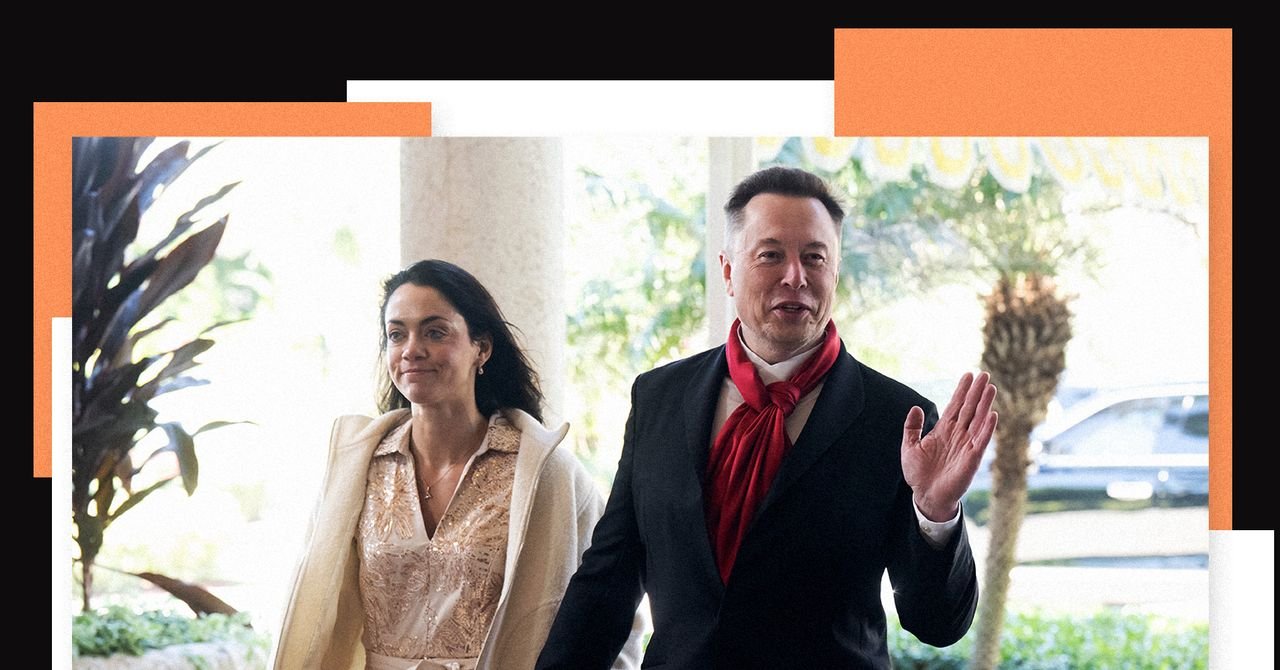
Zilis, a longtime Musk employee and mother of his four children, joined OpenAI in 2016 as a consultant. He later served as director of its non-profit board from 2020 to 2023 and has worked as an executive at Musk’s other companies, Neuralink and Tesla.
When Musk was asked in court about the nature of his relationship with Zilis, he gave several answers. At one point, he referred to him as “Chief of Staff”. Later, a “close advisor.” At another point, he said, “We live together, and she is the mother of my four children,” although Zilis said in a statement that Musk is a regular guest and maintains his own residence. Last September, Zilis told OpenAI lawyers that she became romantically involved with Musk around 2016 after he became an informal advisor to OpenAI. They had their first two children in 2021, he said.
But OpenAI’s lawyers have made the case in witness testimony and evidence that his most significant role, relevant to this lawsuit, has been secret contact between OpenAI and Musk, even years after he left the nonprofit’s board in February 2018.
Zilis wrote in a text message to Musk on February 16, 2018, days before OpenAI announced he was leaving the board, “Do you prefer I remain close and friendly to OpenAI to keep information flowing or step aside? The trust game is going to be tricky so any guidance you have on how to do this right would be appreciated.” Musk responded, “Close and friendly, but we’re going to actively try to move three or four people from OpenAI to Tesla. Over time there will be more people involved, but we won’t be actively recruiting them.”
Asked about the exchange on the witness stand, Musk said he “wanted to know what was going on.”
In the same text thread, Musk wrote, “OpenAI has much less chance of being a serious force if I focus on Tesla AI.” Zilis confirmed him, saying: “There is very little chance of a good future if someone doesn’t slow down Demis,” referring to Google DeepMind leader Demis Hassabis, whom Musk has said he does not trust to control superintelligent AI systems. “You don’t realize how much ability you have to directly influence him or otherwise slow him down. I think you know I’m not a malicious person, but in this case it seems fundamentally irresponsible not to find a way to slow him down or change his path.”
Nearly two months later, in an email on April 23, 2018, Zilis updated Musk about OpenAI’s fundraising efforts and progress on the project to develop an AI that can play video games. In the same message, he said he had devoted most of his time away from OpenAI to his other companies, Neuralink and Tesla, but told him, “If you would like me to pull more hours back into OpenAI oversight, please let me know.”
About a year earlier, in the summer of 2017, OpenAI’s co-founders had begun negotiations for changes to the organization’s corporate structure – Musk wanted to initiate control over the company. In an email dated August 28, 2017, Zilis wrote to Musk that he had met with OpenAI President Greg Brockman and co-founder Ilya Sutskever to discuss how equity would be divided in the new company. He summarized the points of the meeting, including that Brockman and Sutskever thought an individual should not have unilateral power over AGI, should they develop it. Musk responded to Zilis, writing, “This is so annoying. Please encourage him to start a company. I’ve had enough.”
<a href