And the protected status of the area is, in part, supported by research conducted by tourists.
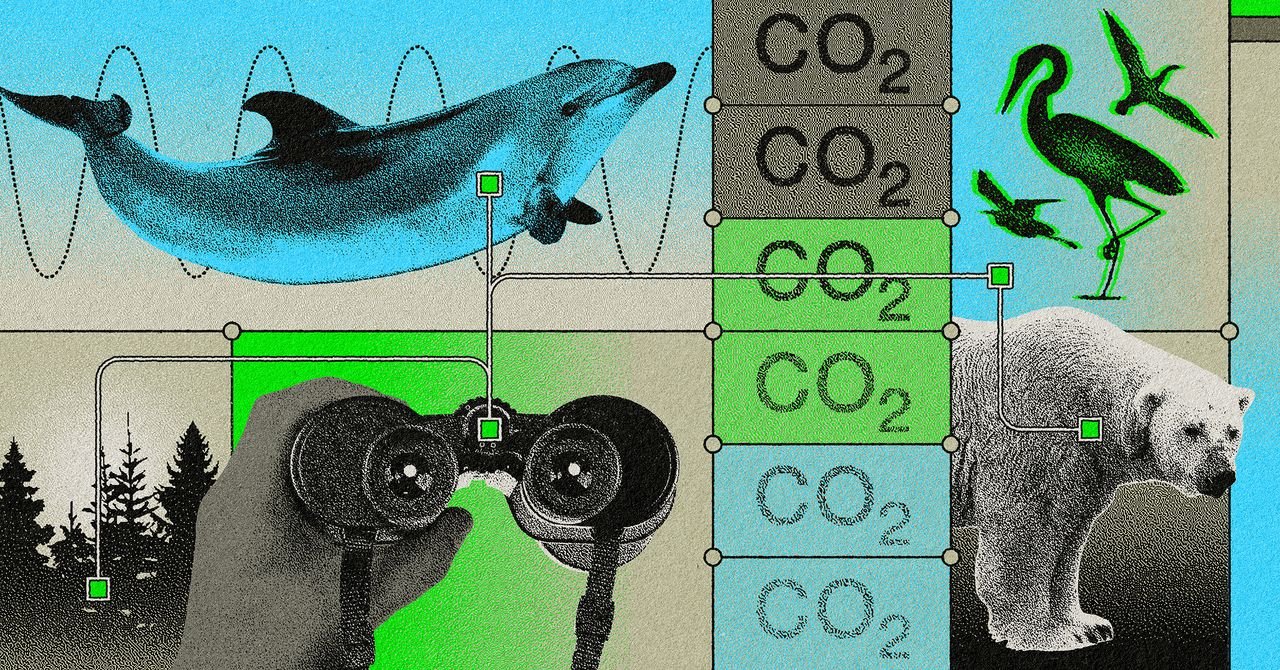
Biologist Richard Bodmer has been welcoming visitors to his research center along the Yarpa River, on a strip of indigenous territory between the Tamashiaku Tahuayo and another area co-managed by indigenous communities, the Pacaya-Samiria National Reserve, for decades to help track wildlife and collect other ecosystem data. Their guests come through a partnership with Earthwatch Expeditions, a tour company that connects people with scientists running long-term research projects around the world and invites them to engage in “participatory science.” Earthwatch runs nearly two dozen trips: to study the ecosystems of polar bears in the Arctic, whooping cranes in Texas, trees in Acadia National Park, and large mammals in Kenya.
In the Amazon, research guides the daily activities of a (usually) eight-day itinerary. Participants sleep on a renovated ship that was first brought to the area in the early 19th century to transport rubber. Solar energy is used to power air conditioning and provide hot water for showers. Bodmer says the goal is to support conservation strategies that simultaneously protect ecosystems and the people who rely on them. A bonus is that the economic activity directly tied to keeping those ecosystems intact helps remind governments that effective conservation is valuable in itself.
Each evening, participants identify their research goals: select a particular animal that they will survey, at a particular location and within a specified radius, during a particular time period. Finding parrots and other birds means taking a small boat up or down the river. “There, we’ll see and wait,” says Jared Katz, a psychiatrist in Vermont who joined the Earthwatch trip earlier this year with his wife, Jennifer Jewis. “One of us had a GPS and gave us coordinates at each stop we made that morning, and someone else had a clipboard and a grid to record the data. The other two of us (and both of them, too) kept track of the flight.”
The collection of data over time has led to a better understanding of the ecosystem. For example, Bodmer says, birds shifting where they roost may indicate changes in the aquatic landscape; Recent flooding in the area appears to be affecting the primates, who move across the canopy more easily than ground animals.
What stands out about Bodmer’s Amazon riverboat tour is that passengers spend time in an area that is now government-protected and indigenous-managed – in part because of the findings of his previous research groups.
real environmental friendliness There is considerable variation in ecotourism. In general, small-scale operations, local ownership and community involvement are important, says Gyan Nyupane, who researches ecotourism, protected area management and indigenous peoples and serves as director of Arizona State University’s Center for Sustainable Tourism.
And while the easiest way to reduce your carbon footprint and protect natural resources is not to travel, and often the most appropriate way to connect with remote communities is to leave them alone, the reality is that governments want to see economic growth. “What is the best way for economic development? Is it better to mine these places? Or build dams, clear land for agriculture?” Neupane says. “Ecotourism is probably more sustainable than any other extractive industry.”
<a href