
Product information appearing on the 12-ounce frozen meals being recalled includes:
- Lot Number: G25CF-02B
- Product Number: AL-SP
- UPC: 4099100247992
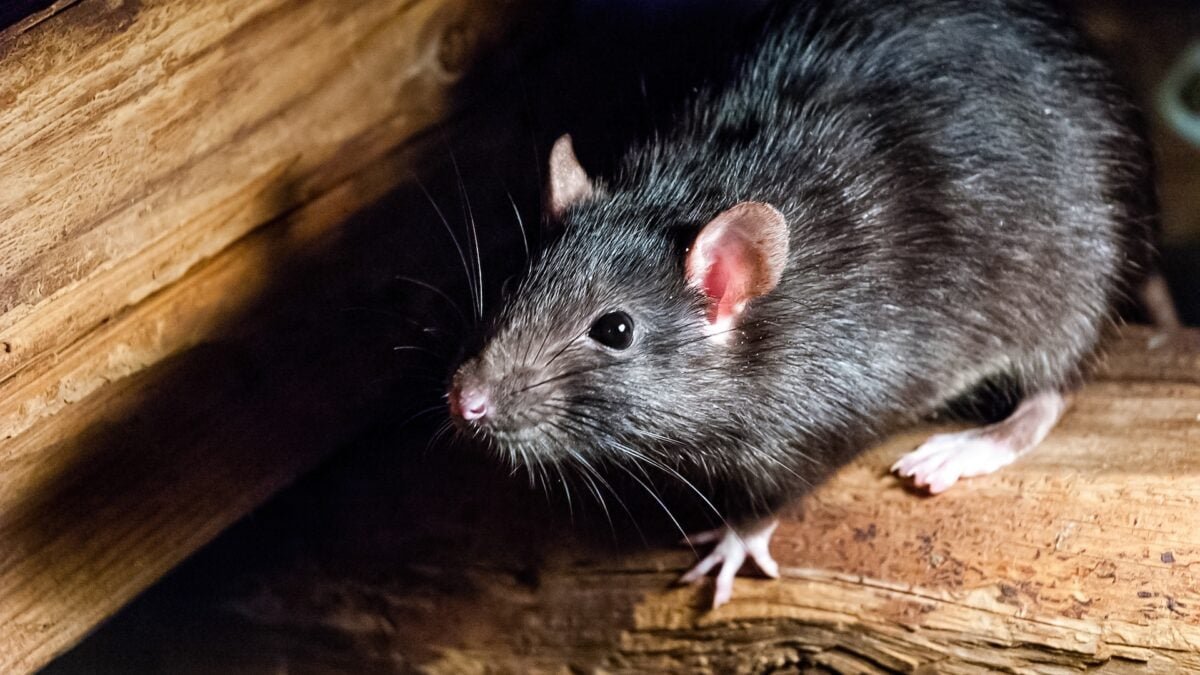
It’s not clear why the federal agency is concerned about the possibility of contamination from rodent hair, and the company that makes the product, Dr. Prager Sensible Foods Inc., did not immediately respond to emailed questions Wednesday.
Recalls involving potential rodent hair contamination have not been historically very common but they do occur. In fact, according to the Today Show, nearly 2,000 products were recalled in January after a Gold Star distribution facility was found to be operating in unsanitary conditions.
The recalled products at the Gold Star facility were limited to only three states in the Midwest, but included medical devices, cosmetics, as well as dietary supplements. Along with food products and prescription drugs such as Advil, Aleve and Benadryl, Pringles, Takis, Gatorade, Coca-Cola and many other major brands were also recalled.
Believe it or not, there are actually acceptable levels of rodent hair and waste set by the FDA. Recalls are potentially issued only after unacceptable levels are found in a product.
For example, apple butter is not allowed to contain 4 or more rodent hairs per 100 grams of apple butter. And according to the FDA website, cinnamon is not allowed to contain an average of 11 or more rodent hairs per 50 grams. Macaroni and noodle products cannot contain an average of 4.5 rodent hairs or more per 225 grams in 6 or more sub-samples.
There are also acceptable levels of mold and insect contamination for various foods that are set by the FDA. For example, the average mold count in cranberry sauce cannot exceed 15%. And according to the FDA, nutmeg cannot contain an average of 100 or more insect pieces per 10 grams. Peanut butter is not allowed to contain an average of 30 or more insect pieces per 100 grams.
According to ProPublica, the FDA oversees about 80% of what people eat, while about 40% of what the country eats is produced inside the US. The FDA hires people who travel to other countries to conduct inspections, but the number of inspections has fallen to historically low levels, ProPublica reported in late 2025.
Part of the problem is that while the FDA denied it was reducing the number of inspectors during the infamous DOGE cut, it was laying off support staff who did things like book travel and hotels while performing other logistics tasks. DOGE may not have saved taxpayers any money, but at least they have made our food less safe.
<a href