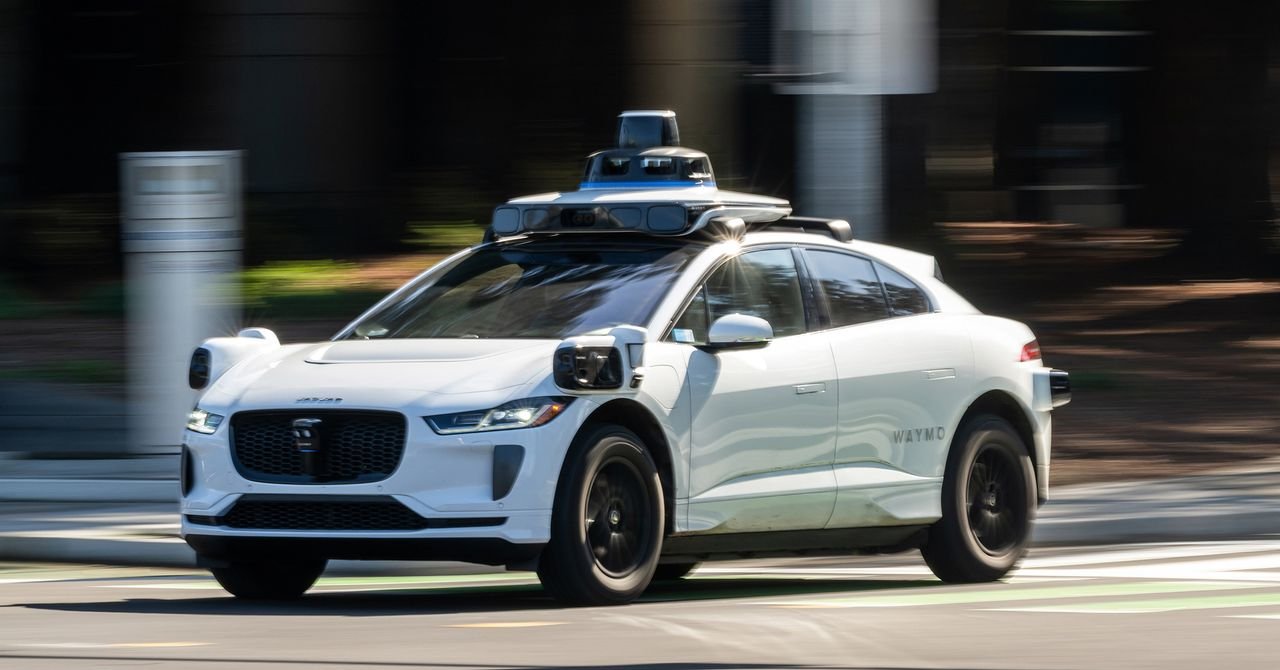
Officials in San Francisco and Austin, where Waymo has been carrying passengers without drivers for more than a year, said the vehicles’ performance was deteriorating. “We’re seeing something really interesting: Some things that had improved are declining,” Mary Ellen Carroll, executive director of San Francisco’s Department of Emergency Management, told officials at the National Highway Traffic Safety Administration (NHTSA), which oversees self-driving vehicle safety in the US. “They’re committing more traffic violations.”
Chief Patrick Rabbitt, head of the San Francisco Fire Department, said, “We’ve seen some behavior we haven’t seen in a few years… Waymo is frequently blocking access to our fire stations.” “Their default is to freeze.” He said the condition could prevent firetrucks from responding to emergencies in a “timely and appropriate” manner.
In Austin, first responders have often been interrupted “freezing” by Vemos, said Lt. William White, chief of the Highway Enforcement Command at the Austin Police Department. White said that contrary to what Waymo had told first responders, the vehicles often fail to recognize or respond to officers’ hand signals, which can cause significant delays during emergencies or unusual road incidents.
“I believe the technology was deployed very quickly, in very large quantities with hundreds of vehicles, when it really wasn’t ready,” White said. NHTSA did not respond to WIRED’s request for comment.
The complaints come as Waymo begins an ambitious expansion in the US and around the world. Today, the company offers driverless rides in parts of 10 US cities, with plans to launch the service in 10 more cities, including London, before the end of the year. Waymo said last month that it was now providing 500,000 paid rides weekly — a figure that is still dwarfed by human-powered ride-hailing services (Uber provides about 400 times that number weekly) but has increased tenfold from last year.
But these comments from cities where the service is already operating threaten to slow the rollout of the driverless technology, which, according to Waymo data, reduces serious crashes compared with human-driven cars. Waymo already faces political opposition in several dense, blue and potentially lucrative cities, including Boston, New York City, Seattle and Washington, D.C., especially from organized workers.
In a statement, Waymo spokeswoman Julia Ilina wrote: “We deeply value our partnership with first responders and our shared commitment to safety. Their continued response has been instrumental in driving impressive improvements to Waymo service.” The company says it has conducted in-person training for more than 35,000 emergency responders across the country.
public comment period
Comments made in the private meeting are more candid than what government officials typically say publicly. But they reflect a long-standing and sometimes vocal frustration by city leaders since at least late last year. Because autonomous vehicle operations in California and Texas are regulated by state rather than city officials, local first-responder departments and those who represent them can generally only request that developers like Waymo make specific changes to their operations.
On Wednesday, Austin first responders appeared before the City Council to discuss Waymo’s response to an incident last month in which a driverless vehicle stopped an ambulance for two minutes that was responding to a shooting in the city’s downtown, killing three people and injuring at least 14. Although officers were able to quickly connect with Waymo operators to move the vehicle, they reported that in the past it had taken up to three minutes to connect with a remote agent. He reiterated that Vemos does not always respond well to hand signals, especially signals from police riding motorcycles.
Waymo declined to participate in the meeting, and two front row chairs labeled “Reserved: Waymo” remained empty during the two-hour session.
<a href