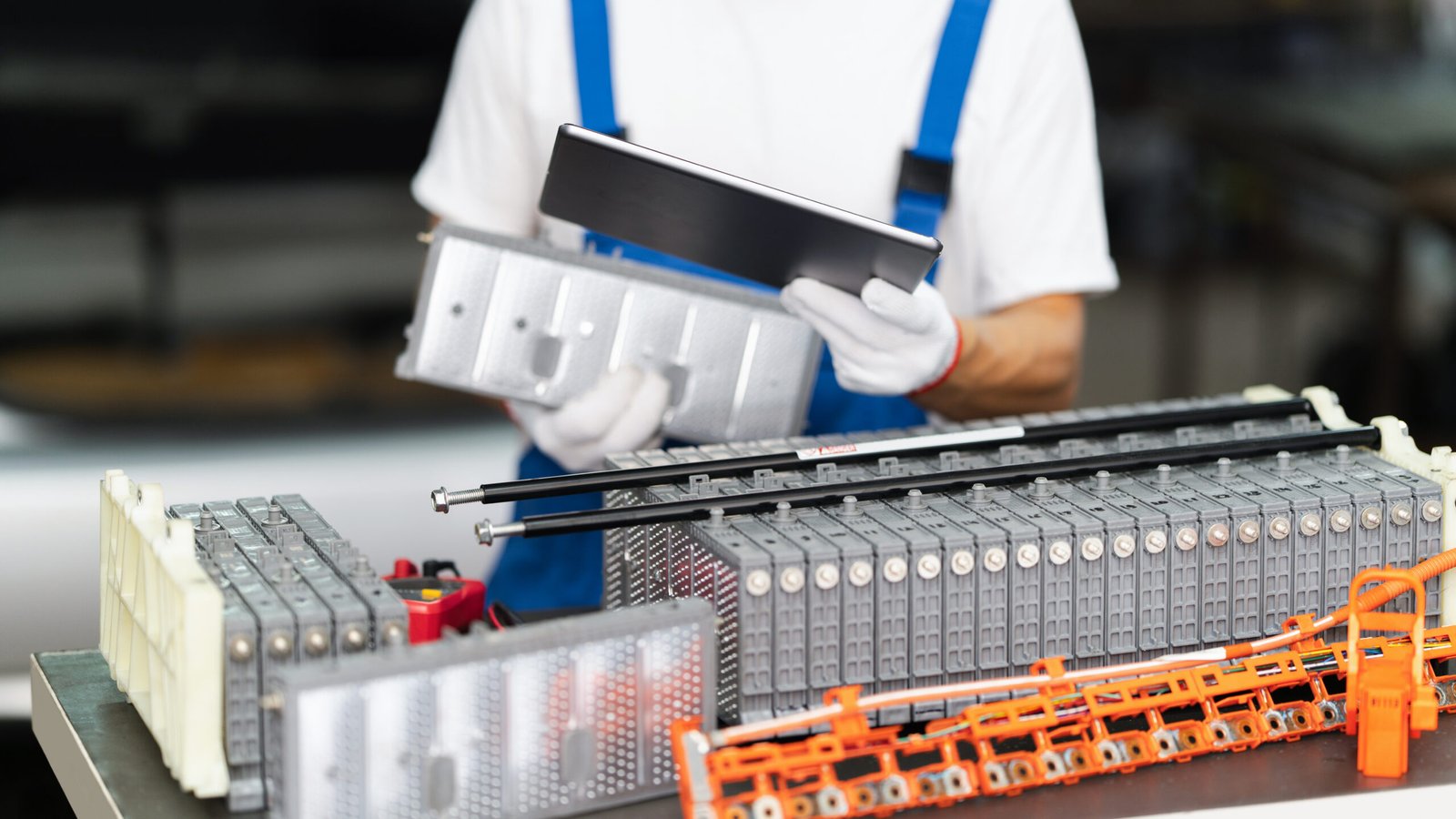
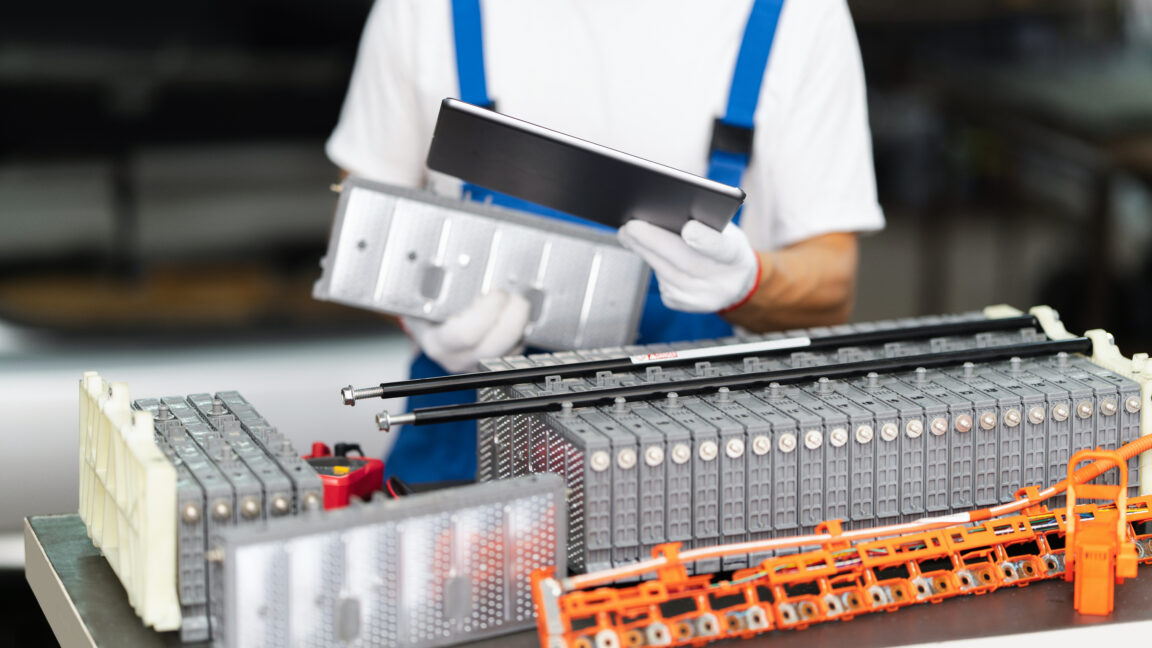
The good news is that technological progress minimizes the impact of a warming world, even under (hopefully) extreme scenarios like a 4°C temperature rise. The study found that older batteries, which have an average lifespan of about 15 years in the current climate, would reduce their lifespan by about 20 percent to an average of 12 years if temperatures rise by 4 degrees. But new batteries, whose current average lifespan is 17 years, should still last about 17 years on average under such conditions.
Aging is also more distributed in older batteries. The percentiles for new batteries are very close to the median, with the worst conditions seeing up to a 10 percent reduction in lifetime; In contrast, older batteries may suffer a loss of 30 percent or more.
Wu said, “I think these improvements are well known to experts in the field. But when I started this project, I was looking at web forums and reading how people were making decisions on cars.” “There are still a lot of concerns about durability about EV batteries.”
After modeling battery lifetime in 300 cities around the world, Wu and his co-authors found that the countries with the lowest GDP per capita, with older battery technology, had the greatest reductions in battery lifetime. Under the worst outcomes, the lifespan of EV batteries in Africa, Southeast Asia and India could be reduced by 25 percent, compared to 15 percent in Europe or North America. But the new batteries should lose only 4 percent of their lifetime in low-income countries and remain stable in the rich West.
Of course, this assumes that low-GDP countries adopt EVs with the same type of battery technology we see in more prosperous markets, and they don’t take into account factors like vehicle reliability, changes in powertrain efficiency, or whether charging infrastructure will remain stable in a warming world. But this is another piece of data we can show that EVs really aren’t that scary, just different.
Nature Climate Change, 2026. DOI: 10.1038/s41558-026-02579-z (About DOI).
<a href