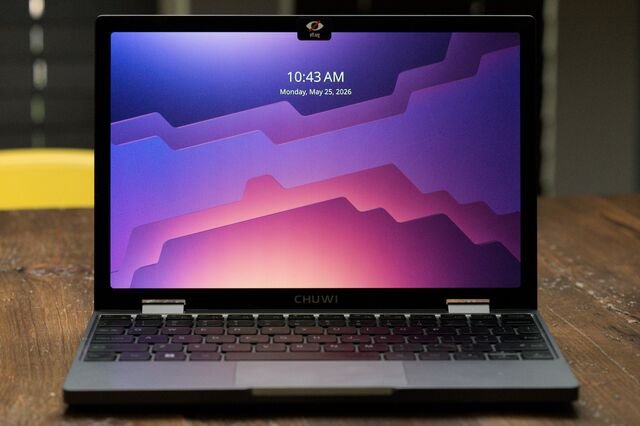
Netbooks are gone, but the Chuwi MiniBook
mini book
I needed a knock-around laptop, so I bought a minibook for my birthday last year. The more I carry it around, the more fun I have with this ridiculous little computer.
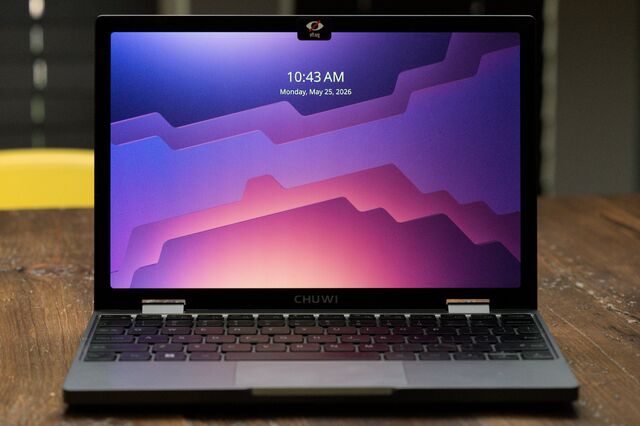
Quick Details
Like the netbooks of yesteryear, the minibook is a budget machine. But this is 2026, so even budget machines provide more energy than a utility laptop.
- CPU 4-core/4-thread 3.6GHz Intel N150 Twin Lake
- 16GB RAM – LPDDR5-6400 – Soldered 😿
- 512GB NVMe – upgradeable
- 10.51” IPS 2K 16:10 screen
- 28.88Wh Li-ion battery
- Weight: 911 grams
- Port: 2×USB-C (1×PD Charging)
- Cost: $350
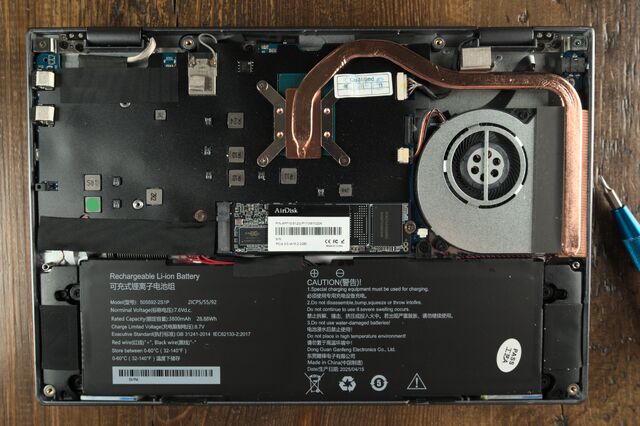
One oddity is that the minibook comes with a 12V/2A USB-C charger. I switched off the charger; I was worried that I would fry the 5V SoC someday. The minibook works fine with PD charger.
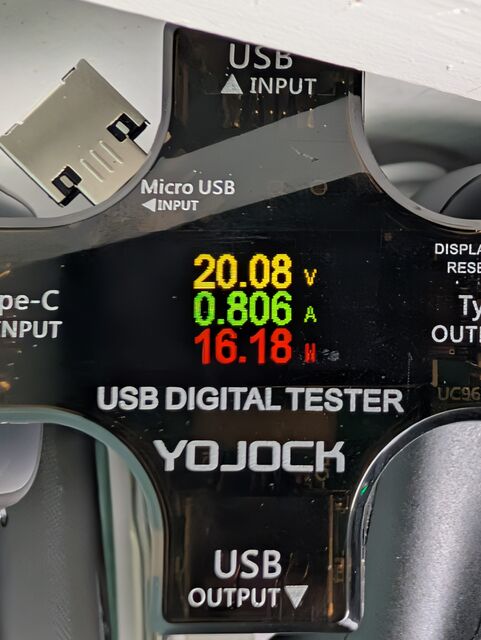
I believe the 12V charger was a cost-saving option, but it also creates some awkward possibilities for DC/off-grid setups.
Linux and weirdness: side panel and kernel parameters
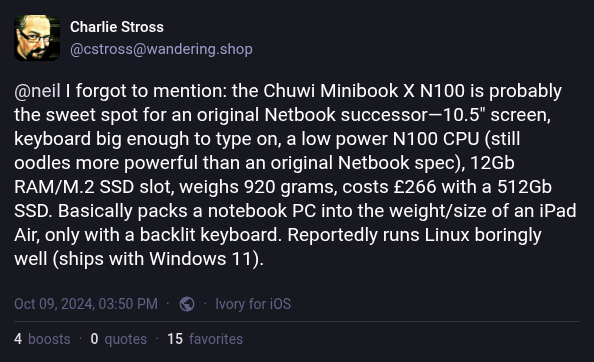
Fediverse told me that the minibook runs Linux “boringly”, which it did. About Truth.
I tried Debian, then jumped to NixOS for kicks.
what works:
- Camera/Microphone/Speaker
- touch screen
- sleep/suspend
- hibernate
- keyboard backlight
- USB-C HDMI
- Bluetooth (non-free blobs – Intel)
- Wi-Fi 6 (non-free blobs – Intel)
But on first boot, the screen orientation is 270° clockwise:
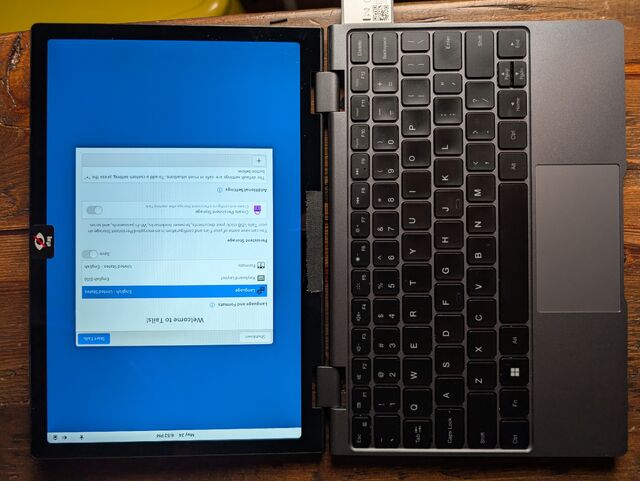
The Chuwi’s screen is the panel of a cheap tablet; The screen rotation issue is a hardware issue (the screen is stuck on its edge). To fix the screen rotation, I had to change the screen orientation on each software layer. Fixing this problem was a journey:
- Bootloader – switched from
systemd-bootTo
grubCarrying some unrelated GRUB rotation patches on top. - Initrd – Tell the Intel display driver about panel orientation via kernel parameters, and force the Intel driver to be loaded into the initramfs. On NixOS:
boot.kernelParams = ["video=DSI-1:panel_orientation=right_side_up"];
Andboot.initrd.kernelModules = ["i915"];(see kernel documentation for modedb default video mode support) - Desktop Environment – for X11, good ole
xrandr --output DSI-1 --rotate right. Wayland picked it up from the DRM connector. it was easy. - Framebuffer – ensure all TTYs have proper orientation by adding
fbcon=rotate:1for kernel parameters
boot.kernelParams = ["fbcon=rotate:1"];(See kernel documentation for framebuffer console boot options)
Look, the end result in all its glory:
mainframed/Hackers-PlymouthSize, weight and construction
This computer is surprisingly small. The construction is sturdy and movable; It will hold up to the jostling of a backpack.
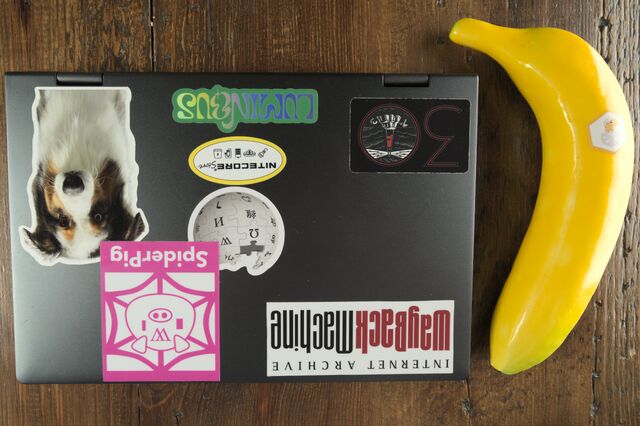
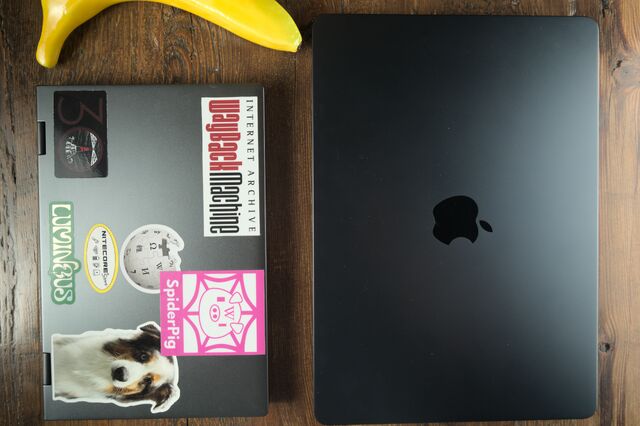
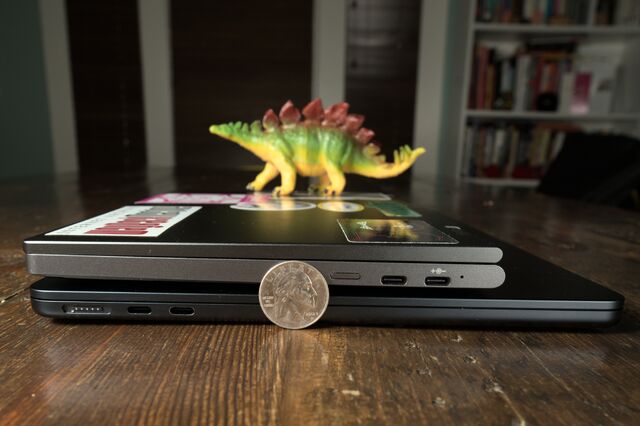
The laptop’s case is like a MacBook: aluminum and good-looking. The dimensions of the MacBook Air are smaller than the Chuwi, but the thickness of both the laptops is almost the same.
A notebook weighing more than a kilo is not a good thing
-Linus Torvalds
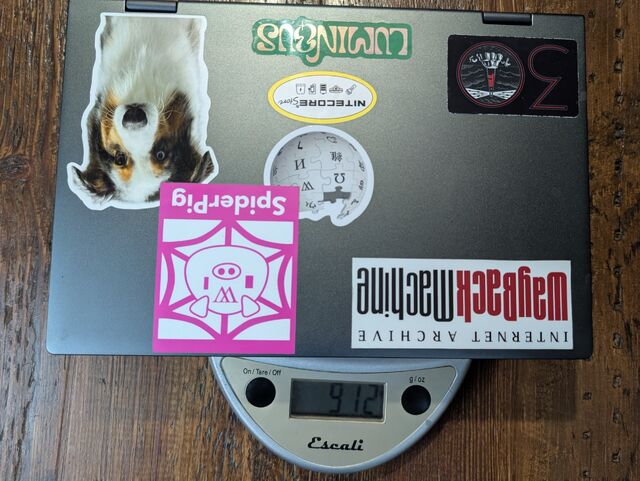
The weight of the minibook is less than one kg i.e. 912 grams.
Perfect, thermal and power
TL;DR: You get what you pay for. But battery life and cooling is better than I expected.
The MiniBook But the performance matches the specs, it lasts well, and it has enough battery life to run a movie marathon.
Numbers:
- Geekbench6 (a fun side-quest to get it running on NixOS), better than I expected.
- Single-core: 1295
- Multi-Core: 3332
- Wi-Fi 6 speed: 424Mbps, more than enough to stream 4K movies.
- Power
- Idle: 3.8W
- During benchmark: ~15W
Battery: When I looped the 1995 classic film “Hackers” in VLC, the battery lasted about 6 hours.
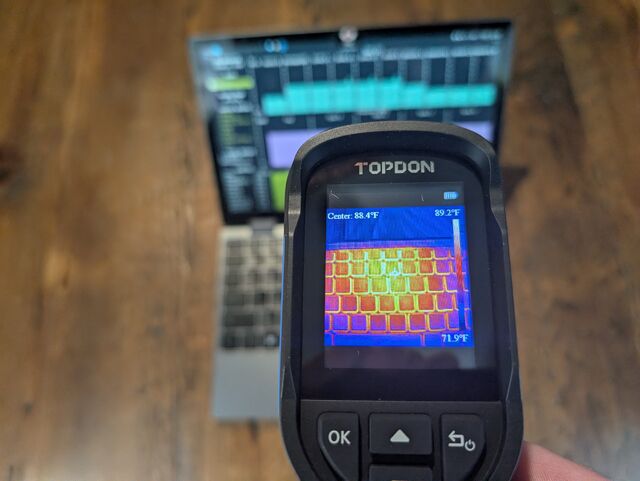
summer: running stress-ng For 10 minutes, the hottest part of the laptop chassis remained below 90°F (32°C):
what i don’t like
There’s a lot to dislike about this laptop:
- The screen is terrible – 2K? 50Hz refresh rate? Why!?
- The keyboard is terrible – it only registers keystrokes if you click the exact center of each key.
- The touchpad is terrible – it’s a diving board-style, with no physical buttons.
- The sound is meh – I can hear the tinny laptop speaker OK, but it’s very low. However, I have never attempted to modify it in Pipewire; It’s possible it could be better.
But “terrible” compared to the best modern laptops in existence. Everything I’ve listed here works fine. When I adjust my expectations to the sub-$400 laptop range I’m really surprised.
decision
In The Death and Life of Great American CitiesJane Jacobs wrote, “New ideas require old buildings”: cheap spaces let people try risky ideas.
The Chuwi MiniBook
I can close the minibook and spend a normal Monday on my serious work laptop. Nothing has to work, which makes it perfect to try out new Linux desktop stuff:
- NixOS – I’ve been using Debian for over 15 years, so I thought I’d try to join the NixOS cult for a while.
- RiverWM – I’m looking to find a Wayland version of Xmonad; The river is quite close.
- KDE Plasma – I’ve used a tiling window manager for over a decade. What’s it like to use Just Works™ Desktop?
- Steam – Never been much interested in games, but I decided to give Steam a try, well, why not?
Cheap, weird computers like Chuwi make it safe to play. And playing with computers is still fun.
<a href