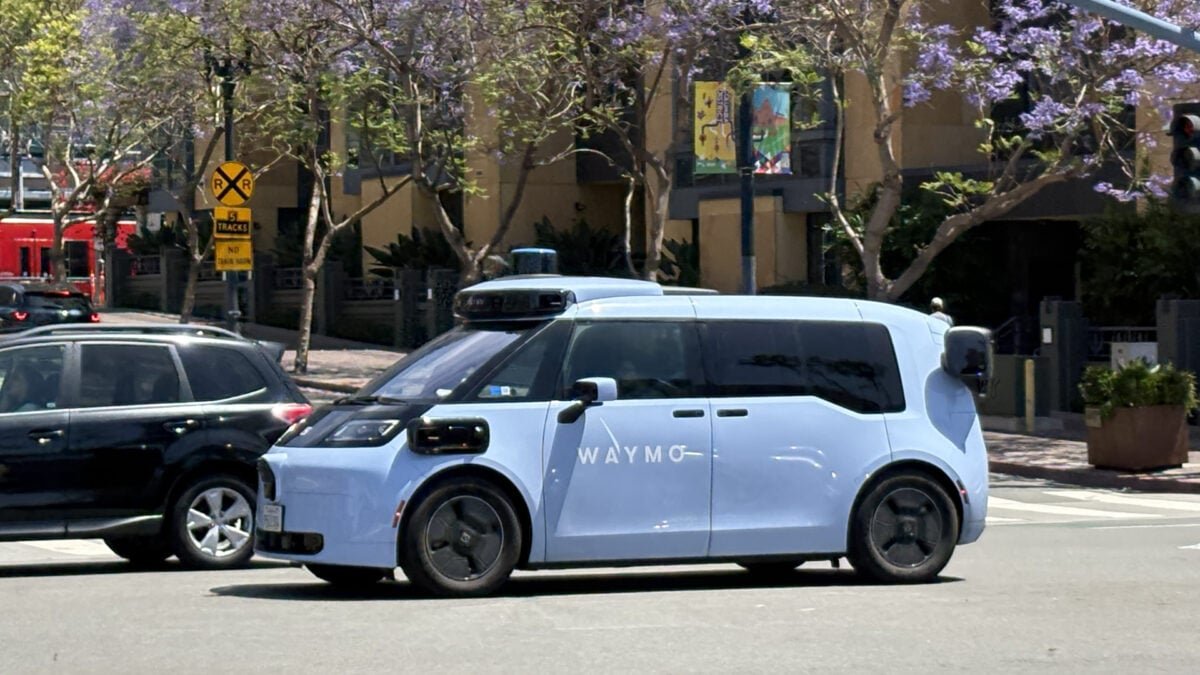
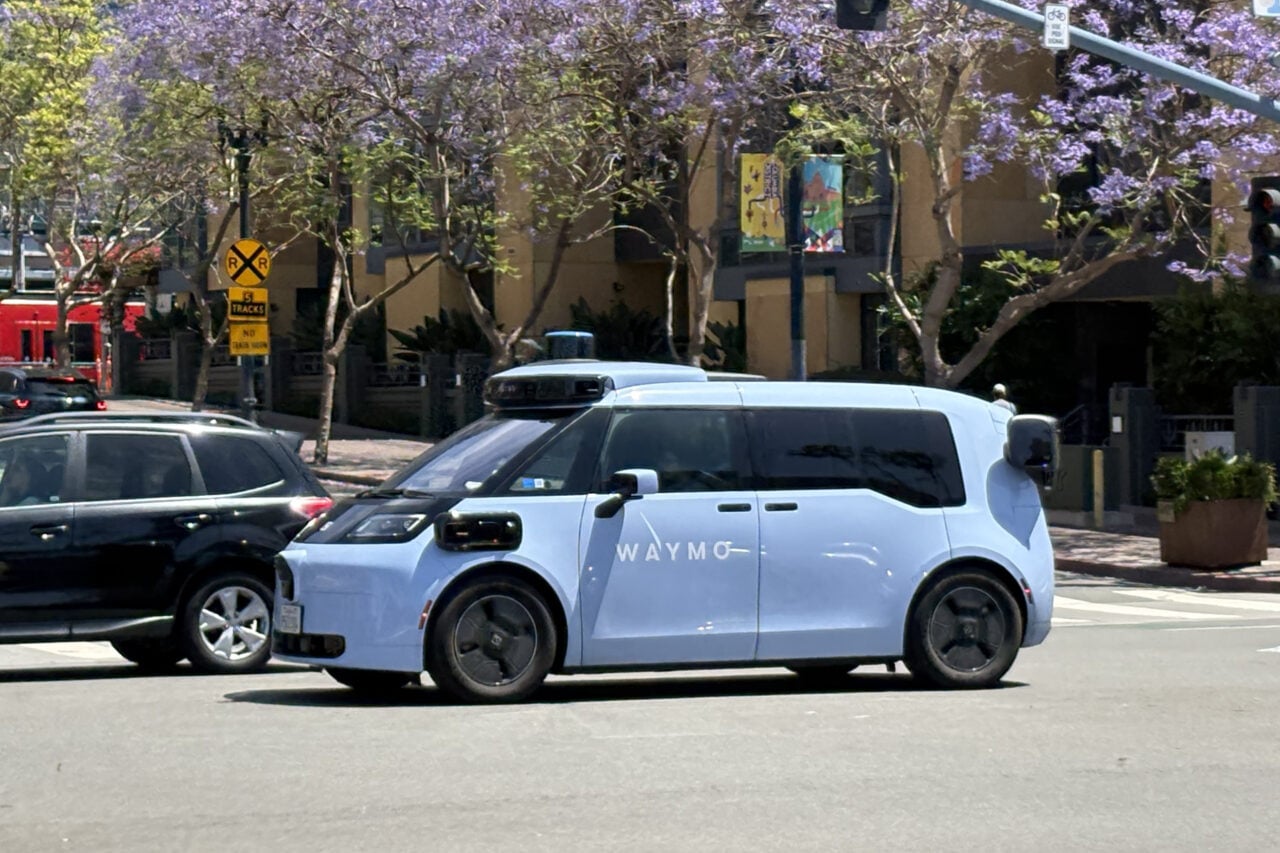
The new rules, which will be implemented from July 1, will also require AV companies to respond to first responder calls within 30 seconds. Emergency officials will be allowed to issue geofencing directives that would force the removal of robotaxis from areas where an active emergency is occurring.
“These rules, the most comprehensive AV rules in the country, are the result of an extensive public comment and review process,” the California DMV said in a statement posted online.
In 2023, NBC Bay Area was the first to report that robotaxis were immune from traffic tickets because humans were required to be present to accept the tickets. It took about three years, but that problem is now fixed.
Waymo has been approved to operate in large parts of California, including Los Angeles and San Francisco. But there has been opposition in some local communities, including Sacramento and San Diego, where WeMos is being tested but has not yet begun operations. Tesla has talked about offering robotaxi service in California, but has not yet launched its service to the public.
The California Gig Workers Union, which represents rideshare drivers, has spoken out against robotaxis and emphasized safety concerns. One concern historically is that when a robotaxi does something illegal there is no one to hold accountable. The group also says that AVs entering active police scenes is one of the concerns that could be addressed by the new geofencing rules.
Wired published a new article Thursday about complaints from emergency responders, including firefighters, police officers, EMTs and paramedics, who warn that some robotaxis are performing worse than initially introduced. Wired cites a private meeting between emergency responders and federal officials in March, where robotaxis were described as blocking fire stations and “freezing” in dangerous ways.
Waymo did not immediately respond to a request for comment Thursday, but previously spoke about the company’s safety record. Statistically, Waymo vehicles have fewer accidents per mile than those with human drivers. Waymo says it provides about 500,000 paid rides weekly in 10 U.S. cities, though that’s still less than the rides provided by Uber, which provides about 36 million trips per day globally.
<a href