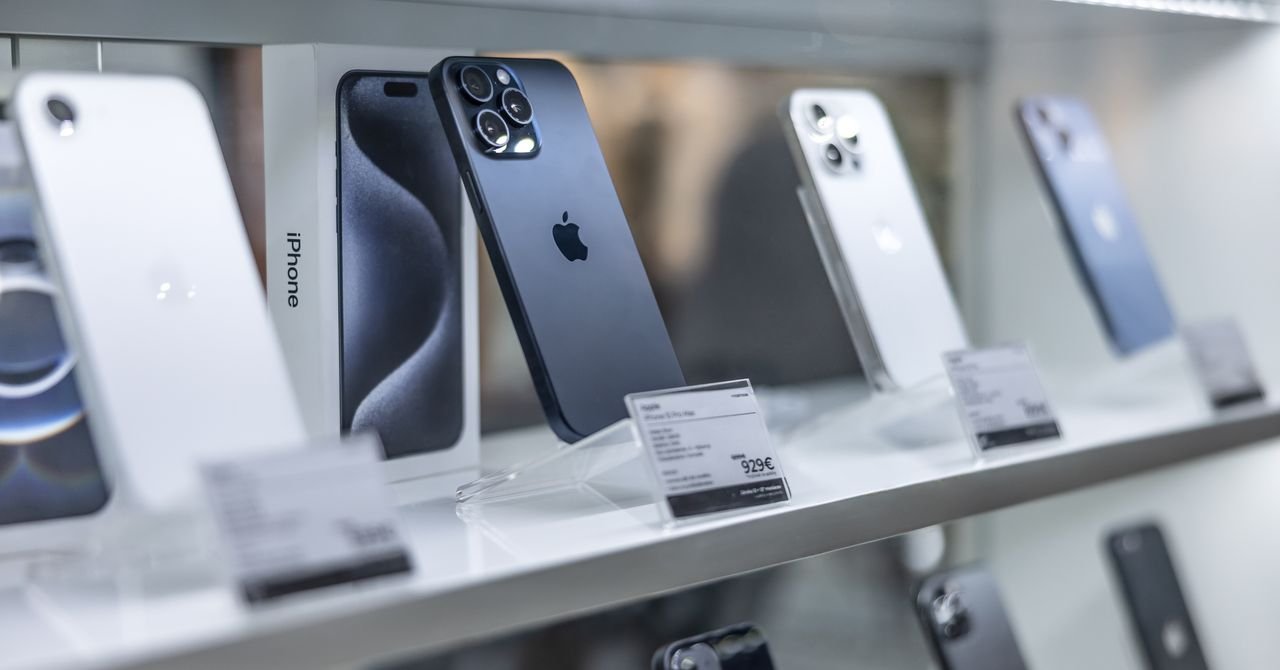
Starting this fall, older iPhones will last longer than ever. Some Apple products will be more expensive. And while buying a used device – or keeping your own device for an extra year or two – means you may miss out on some features, for many people it’s simply the best option.
“Buying used has never made more sense,” says Kyle Wiens, CEO of repair advocate service iFixit. “The phones of the last few years have been really good.”
Apple Core
If it seems like everything is getting more expensive lately, that’s probably because it is. Even big technology companies like Apple are feeling the financial crunch. In an interview with The Wall Street Journal this week, Apple’s outgoing CEO Tim Cook said that price increases for the company’s products will soon be “inevitable.” He did not say which Apple products would be affected or when the price increases might occur.
As Cook and many other tech giants have blamed it, the reason for the ongoing memory shortage is widespread supply-chain shortages of critical storage and memory components that consumer tech companies like Apple rely on to build their devices. This shortage is a result of the huge demand for the same components to develop AI data centers around the world. This is becoming a hindrance for everyone from gamers to Apple. Apple did not respond to a request for comment.
This economic uncertainty also comes after a year of wild fluctuations in the markets in the wake of the Trump administration’s tariff implementation and the ongoing conflict with Iran. It’s becoming more and more difficult to source the materials to build your new iPhone, and Apple and every other company are forced to pass those costs on to their customers.
Apple is already preparing for this. At Apple’s WWDC keynote in early June, the company detailed the changes coming to its iOS 27, which are aimed at helping iPhones last longer by improving its CPU scheduler — which manages software resources on the device — in a way that will apparently keep even the iPhone 11 humming. This means you can soon buy a used iPhone with more confidence than ever that it won’t lag behind upcoming firmware updates.
Maintaining an older iPhone is often cheaper than getting a new one fixed when needed, and replacing an older phone’s battery is cheaper than newer options. (Apple charges $119 to replace the shiny new iPhone 17 battery; the iPhone 13 battery upgrade is $30 cheaper.)
“You can save a lot of money by buying a year-old phone and putting a new battery in it every six months,” says Wiens.
IDC research manager Jitesh Ubrani says Apple has probably tried to hold off rising prices as long as possible. Apple has covered most of these additional costs so far, he said. It even released its cheapest MacBook ever, the MacBook Neo, at $599 in March, when fears of a memory shortage were already looming.
“The company has also built up meaningful goodwill in recent months,” Ubarani wrote in an email to WIRED. “I don’t think Apple is ruining it by raising prices massively.”
The price increase will have the biggest impact on devices that are already more expensive than Apple’s older models. The place to watch for a price increase will be the company’s upcoming hardware announcements, likely in its Pro models. Apple is expected to announce a new iPhone later this year, possibly along with a refreshed MacBook and eventually a folding phone. It will certainly be more expensive for Apple to make those premium devices, and they may also be priced higher as a result.
price point
If you’re willing to sacrifice camera quality a bit, or don’t have onboard access to the latest AI features on a phone, buying something used may be a better option for the immediate future.
(Note what to think about when buying a used smartphone or any other refurbished electronics.)
<a href