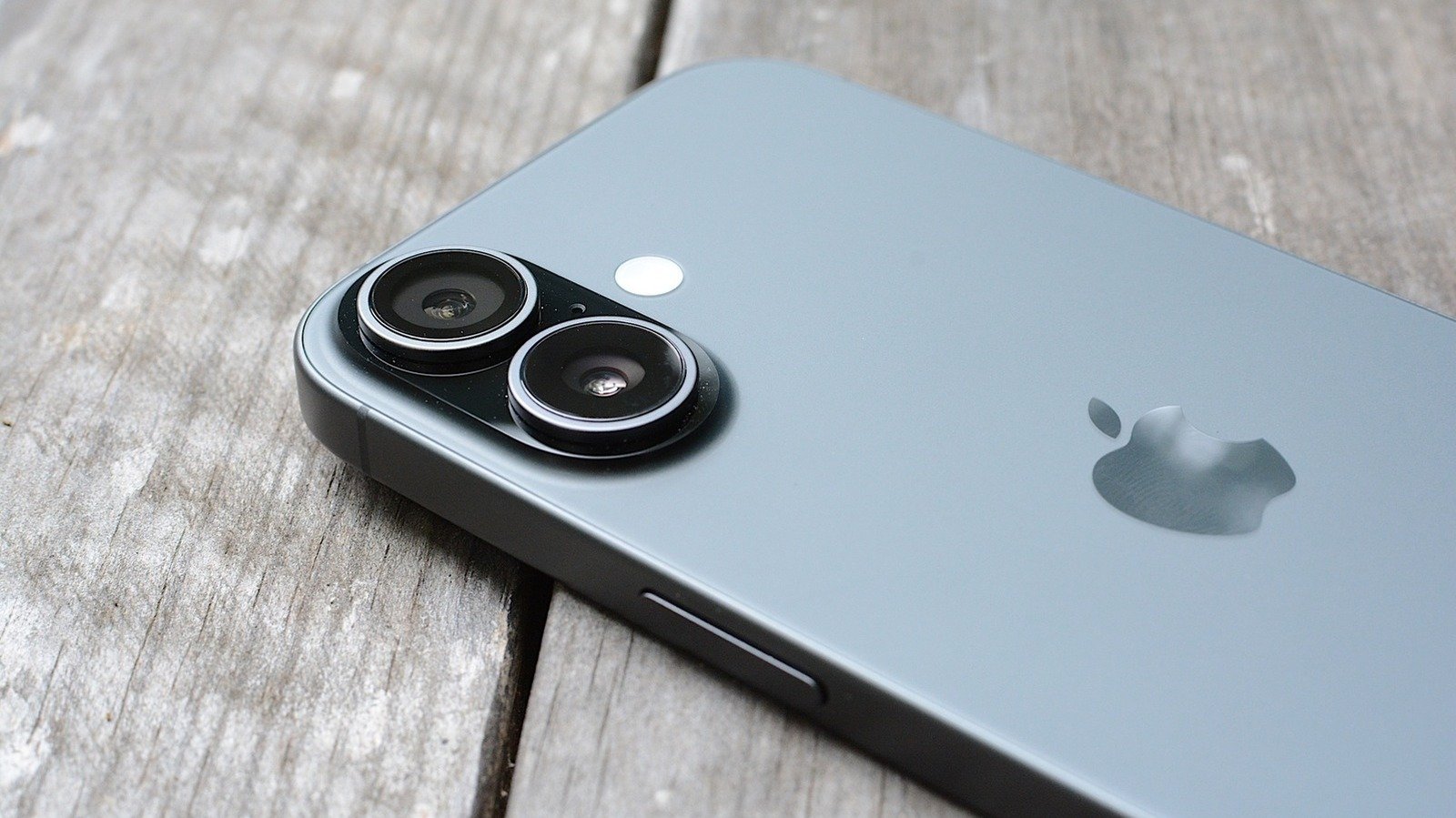
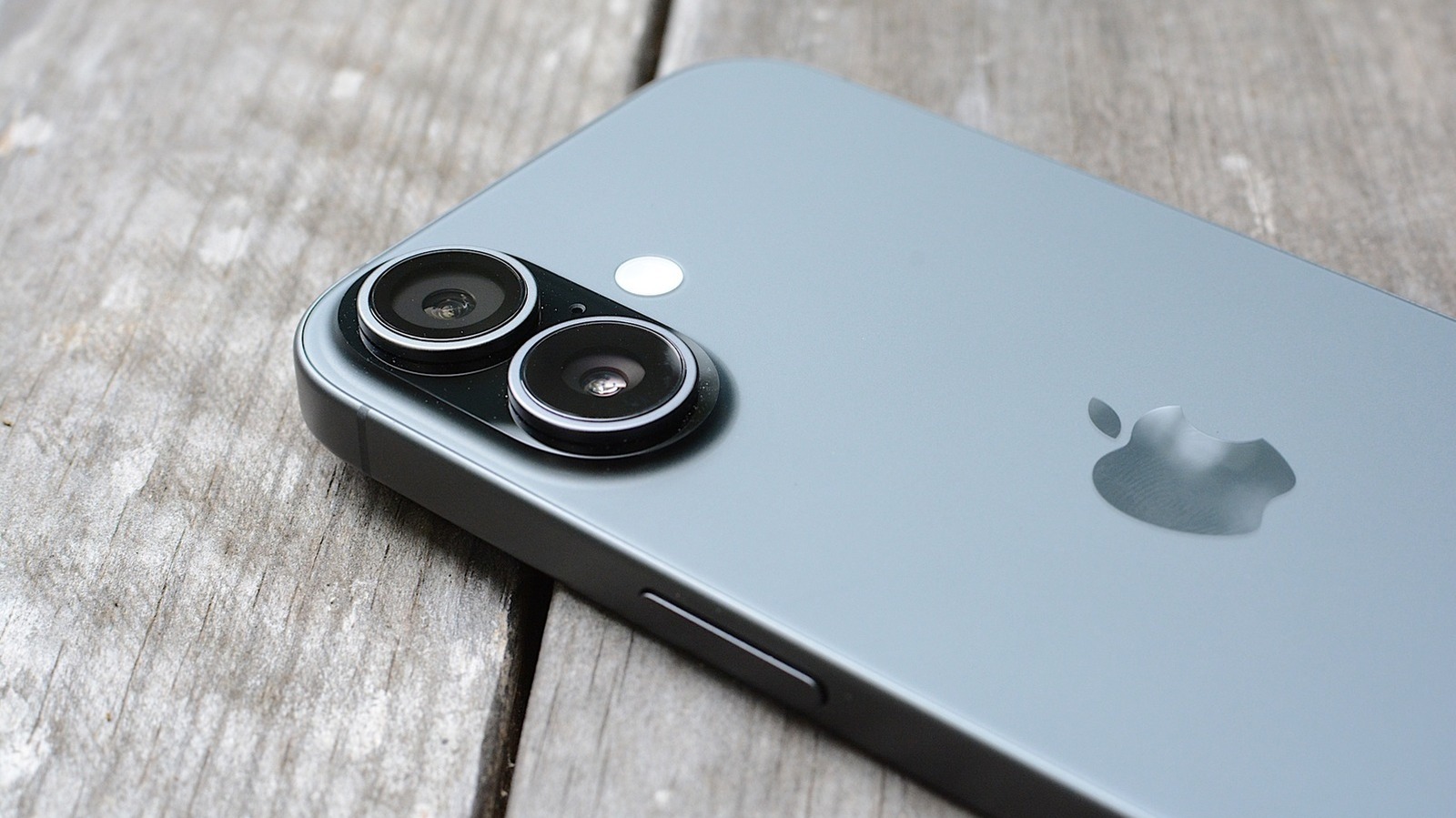
Apple has reportedly approached Samsung and Intel to manufacture “core device chips” to reduce its reliance on TSMC. bloomberg Have reported. The iPhone maker is said to be in early-stage talks with Intel and recently visited a Samsung chip plant under development in Texas. According to sources familiar with the matter, no orders have been placed yet and talks with both suppliers are still preliminary.
Over the past decade Apple has relied primarily on TSMC to make the processors (systems-on-chips, or SoCs) that power its iPhones, iPads, and more recently, Macs. However, Apple is reportedly uncomfortable having a single supplier for any component. Former CEO Tim Cook specifically referenced this problem during Apple’s earnings call last week, saying, “We have less flexibility in the supply chain than usual.” The problem is compounded by chip shortages, with manufacturing resources diverted toward AI products.
Apple has previously expressed concerns about supply disruptions if China invades Taiwan. TSMC now manufactures some of Apple’s chips at its Phoenix, Arizona plant, and Apple said its 100 millionth SoC will be made across the state in 2026. However, this will only cover a small percentage of its devices, as the company is expected to ship 247.4 million iPhones in 2025 alone. The rest of its SoCs are manufactured in Taiwan.
Apple will reportedly use TSMC’s 2nm (N2) process in the A20 and A20 Pro processors specifically for the iPhone 18 lineup. So any chips produced by other manufacturers will be for products arriving in 2027 or later. It’s not clear from the report which Apple devices could get Intel or Samsung-made chips. However, “Apple has concerns about the use of non-TSMC technology and may ultimately not move forward with another partner,” according to bloomberg.
Currently, both Intel and Samsung are lagging behind TSMC when it comes to processor technology. It was said that Apple is considering Intel’s upcoming 14A process (1.4nm class) process technology for 2028 non-Pro iPhones to help diversify its supply chain. Winning Apple as a customer would be huge for Intel, which has struggled to revive its fortunes under CEO Lip-Boo Tan. Last year, the Trump-led US government took an $8.9 billion stake in Intel.
Meanwhile, Samsung recently claimed to be the first with a 2nm mobile chip (Exynos 2600), ahead of Intel and TSMC. However, both Samsung and Intel have struggled to transition to smaller and more efficient chip designs over the past decade, battling problems such as overheating and low chip yields.
<a href