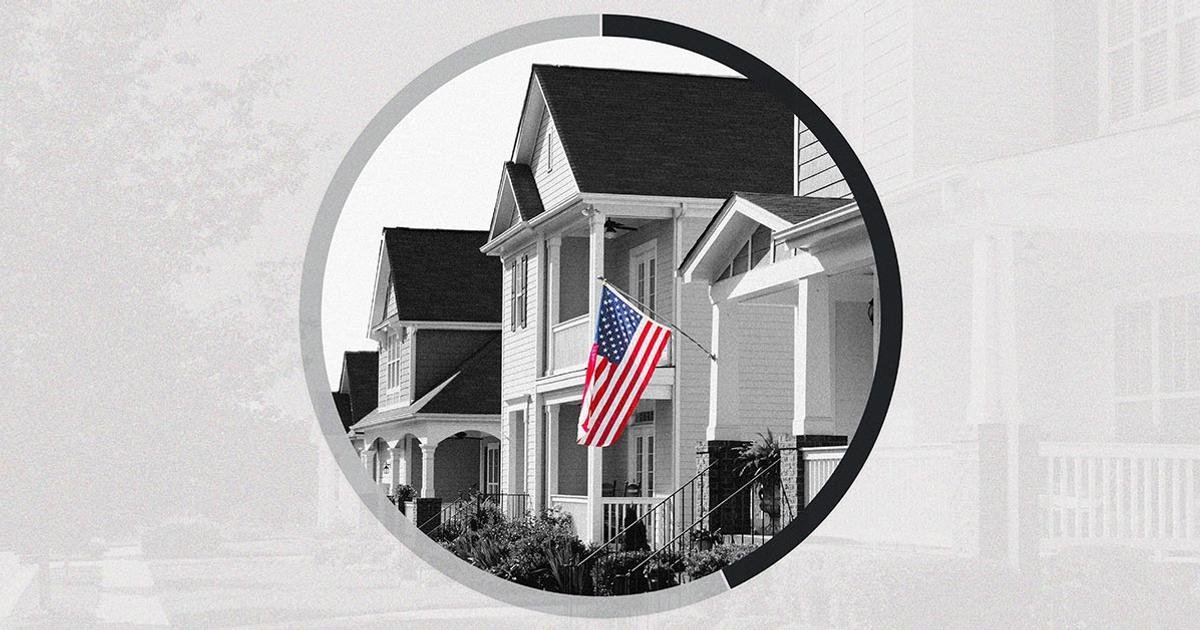
Washington, DC – As the United States celebrates its 250th anniversary, 33% of American adults say they are “extremely proud” to be an American, the lowest in Gallup’s trend since 2001. Another 20% say they are “very proud”, meaning that more than half of Americans express a high level of pride in their country.
The remaining shares say they are “moderately proud” (22%), “only a little proud” (15%) or “not at all proud” (9%).
###Embeddable###
When Gallup first asked this question in 2001, 55% of American adults were extremely proud to be American. Pride increased after 9/11, with 65% to 70% of Americans expressing extreme pride by 2004. Extreme pride declined after that but remained at majority levels until 2017. Since 2018, no more than 47% of American adults have said they feel extremely proud. The latest figure, from the June 1-15 survey, is down eight percentage points from last year and equals the largest year-on-year change in trend since 2004-2005.
Looking at “extremely proud” and “very proud” responses combined, nearly nine in 10 Americans expressed high levels of pride in the early years of the trend through 2004. This reading fell into the 80% range in 2005, fell to 70% in 2019 and is below 60% since last year.
Pride hits new low among Democrats and independents
Throughout the trend, Republicans are more likely than Democrats and independents to say they are proud to be an American. Even as Republican pride declined during President Joe Biden’s administration, Republicans remained the most likely of the three groups to express extreme pride.
This partisan divide persists and has grown even larger over the past two years with Republican Donald Trump becoming president. Currently, 70% of Republicans, 28% of independents, and 14% of Democrats say they are extremely proud to be an American. Extreme pride has declined by seven points among Republicans and six points among Democrats since last year, but is not statistically lower among independents.
Democrats and independents’ pride levels are at new lows for their respective groups. This decline among Democrats is similar to their turnaround during Trump’s first administration. However, the percentage of Democrats who feel extremely proud to be an American has remained lower in Trump’s second term than during his first term, when it stood at 22% in 2019.
The current 56-point gap between Republicans and Democrats, described as extreme pride, is similar to last year’s 57-point gap, the largest on record.
###Embeddable###
When combining “extremely proud” and “very proud” responses, 93% of Republicans express a high level of pride, compared to 51% of independents and 27% of Democrats, both record lows for their respective groups.
Highest decline in extreme pride among women
Extreme pride among women has declined sharply since last year, down 13 points to 26%, while men are essentially unchanged at 42%. Significant declines were also seen among Americans aged 18 to 34 (down 10 points to 14%) and those aged 35 to 54 (down 12 points to 30%), but not among those aged 55 and older, who are the same as last year (down four points to 48%).
Feelings of pride are also lower this year among people of color (down 10 points to 20%) and those without a college degree (down 10 points to 35%). More modest declines have been seen among non-Hispanic white adults and college graduates.
###Embeddable###
Looking at pride combined, less than half of women, adults under 35, and people of color say they are extremely proud to be American. In contrast, most men, adults ages 35 and older, and white adults say the same.
###Embeddable###
Less than half of Americans display the American flag
One of the most common expressions of national pride is displaying the American flag, with 43% of American adults saying they do so outside their home on national holidays or other days. This reading is similar to the reading taken 40 years ago. However, this is down from the 59% of Americans who reported flying the flag in the wake of the US victory in the Persian Gulf War in 1991.
In 1991, there was little difference between party groups in displaying the flag, but this is not the case today. Republicans (69%) are currently far more likely to report displaying the American flag than independents (42%) or Democrats (26%). In 1986, Republicans (50%) were more likely than Democrats (42%) and independents (36%) to support flying the flag.
###Embeddable###
Apart from differences in party identification, flag support continues to increase with age, from 25% among adults aged 18 to 34 to 57% among those aged 55 and older. White adults (48%) are significantly more likely than people of color (33%) to display an American flag outside their home.
As might be expected, Americans’ reported national pride has a significant impact on their likelihood of displaying the flag, with those expressing the most pride being most likely to display the flag at home (69%).
###Embeddable###
ground level
American national pride has never been lower, Gallup’s survey, which has been running since 2001, shows. Pride has been falling for two decades, but the pace has accelerated in recent years, with the latest reading falling eight points over the past year alone, one of the largest one-year declines in this trend. This has created some uncertainty over how Americans will join in on the country’s 250th anniversary celebrations.
Stay up to date with the latest information by following @Gallup on x And on Instagram.
Learn more about how Gallup Poll Social Series Works. View complete question responses and trends (PDF download).
###Embeddable###
<a href