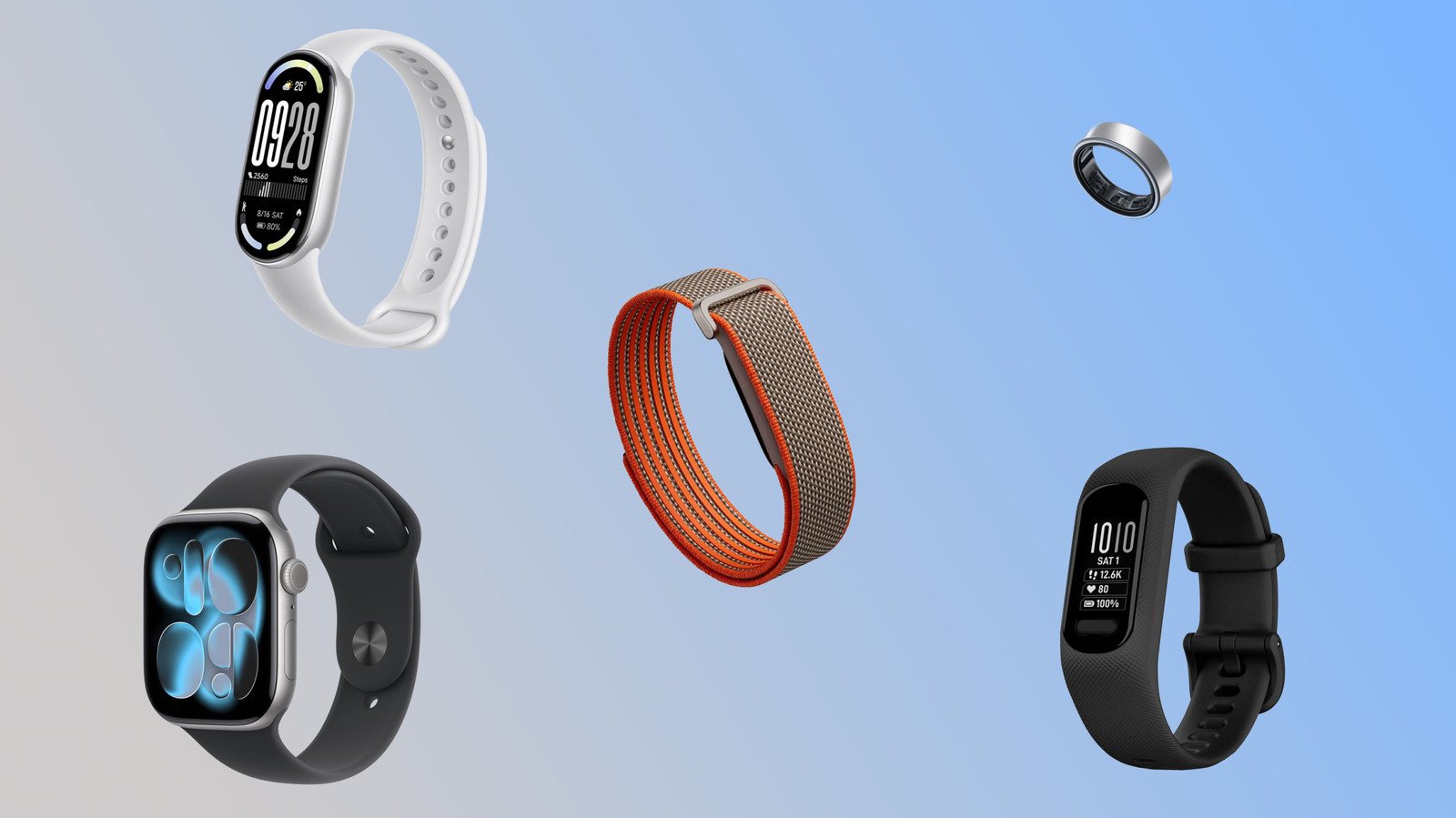
Fitbit Air has entered the chat.
Pricing of fitness trackers can be a bit confusing. For example, let’s say the $399 Oura Ring 5 seems to be within your budget at first glance. But to make it remotely useful, you’ll have to pay an extra $6 per month or $70 per year. After just two years your total cost increases to approximately $550. (And if you hang onto it for five years, you’re looking at at least $750.)
Ora is not even the most serious subscription-based offender in this area. The popular screenless fitness tracking band Whoop requires a subscription starting at $199 per year. Granted, this includes the device itself, unlike others. But you don’t need to be a math expert to understand how quickly its costs can add up over the long term.
That’s why Google’s recently released Fitbit Air is so interesting. It’s basically a whoop, with a one-time cost of $100. You can use most of its features without any additional subscription. What a concept! Let’s take a closer look at the landscape following Fitbit Air’s entry to see where you can cut through the paywall noise.
fitbit air
The device’s battery life is about seven days, which is half the Whoop’s 14-day uptime. But the Fitbit Air charges quickly, so this shouldn’t be a big deal. For example, our review unit went from 36 percent to 58 percent in just five minutes.
The Fitbit Air works with both Android and iOS phones. However, it requires the Google Health app and won’t sync natively with Apple Health.
garmin vivosmart 5
The device logs your heart rhythm, sleep, steps and workouts. And Garmin’s Body Battery Score estimates how long to wait before your next intense workout. Like the Fitbit Air and Whoop, the VivoSmart 5 lacks built-in GPS and instead uses GPS connected through your paired phone.
The best part is that there are no monthly fees, so your $150 upfront investment unlocks everything the device can do.
The Garmin Vivosmart 5 is compatible with Android and iOS. Its companion Garmin Connect app can sync with Apple Health and Google Health.
samsung galaxy ring
Unfortunately, the Galaxy Ring doesn’t work with iPhones. And while it works fine with Android phones from other manufacturers, the Galaxy AI features and its double-pinch gesture controls require a Samsung device.
apple watch series 11
This latest model has a longer battery life than the previous generation: up to 24 hours with regular use. On the health front, this model adds high blood pressure alert. The watch can monitor your heart rate and blood oxygen levels, track your sleep (including sleep scores), and log a long list of workouts.
The downside is that the Apple Watch Series 11 starts at a hefty $400. It’s also only for iOS, so people with Android phones miss out.
Xiaomi Smart Band 10
The device has a larger, brighter and sharper display with a better screen-to-body ratio than its predecessor. It covers the basics including heart rate monitoring and sleep tracking. It can last for 21 days on a single charge. As a unique bonus, you can also wear it as a necklace or attach it to your shoes.
What has been compromised at this extremely low price? First of all, the Xiaomi Smart Band 10 lacks built-in GPS. Its set of sensors is also limited: it can’t sense ECG, blood pressure, skin temperature, barometer, altimeter, or HRV. Its sleep tracking also gets mixed reviews. This isn’t the device if you want premium health monitoring; It’s more about keeping costs down.
The Xiaomi Smart Band 10 comes bundled with the Mi Fitness app, which is available on iOS and Android.
<a href