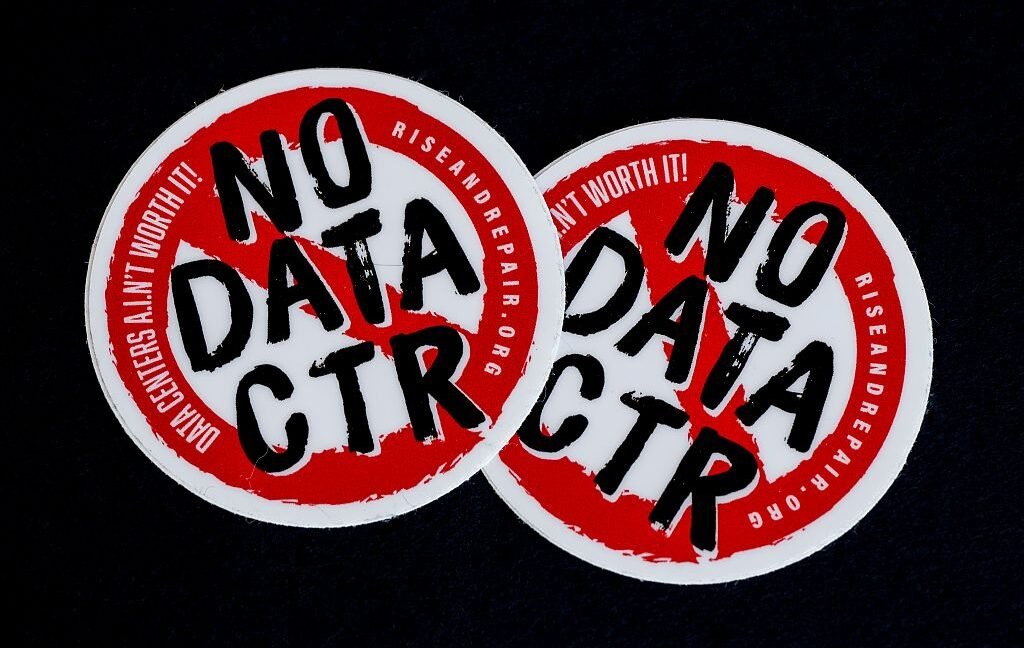
It is clear that communities now have an effective playbook for blocking data center construction. This week, researchers marked the first quarter of 2026 as the “most blocked and delayed data center projects on record,” NBC News reported.
Data Center Watch, a project of AI intelligence firm 10A Labs that tracks data center battles across the US, reported that protesters “blocked or delayed at least 75 projects worth about $130 billion across the country from January to March,” NBC News reported.
“This is the highest over a three-month period since the group began tracking in 2023” and should not be parsed as a “cyclical spike,” the researchers said. Instead, a “structural shift” has occurred, as “communities have internalized an opposition strategy, legislative sessions have introduced formal regulatory uncertainty, and the number of active opposition groups has more than doubled to 833 in 49 states,” the researchers said.
The political momentum behind the data center protests is expected to influence the upcoming midterm elections, with both parties increasingly sympathetic to the resistance as the protests intensify.
Sociologist’s unique opinion on data center protest
Sociologist Tracy McMillan Cottom is spending time with organizers in North Carolina to better understand the playbook that fueled this momentum. In a New York Times op-ed encouraging Democrats to make data centers a major campaign issue, he said he “wasn’t sold on data center resistance as a political possibility,” but “time on the ground changed my mind.”
Not only are people crossing political divides to protest local construction projects, McMillan Cottam wrote, but people are “passionate enough to attend political education sessions about water rights, land use, and thermodynamics.” As he explained, people aren’t educating themselves to stop noisy factories from increasing utility costs, endangering public health or wasting local resources; Some people are experiencing, for the first time, what it looks like to work with their neighbors to overcome adversity through political will:
<a href