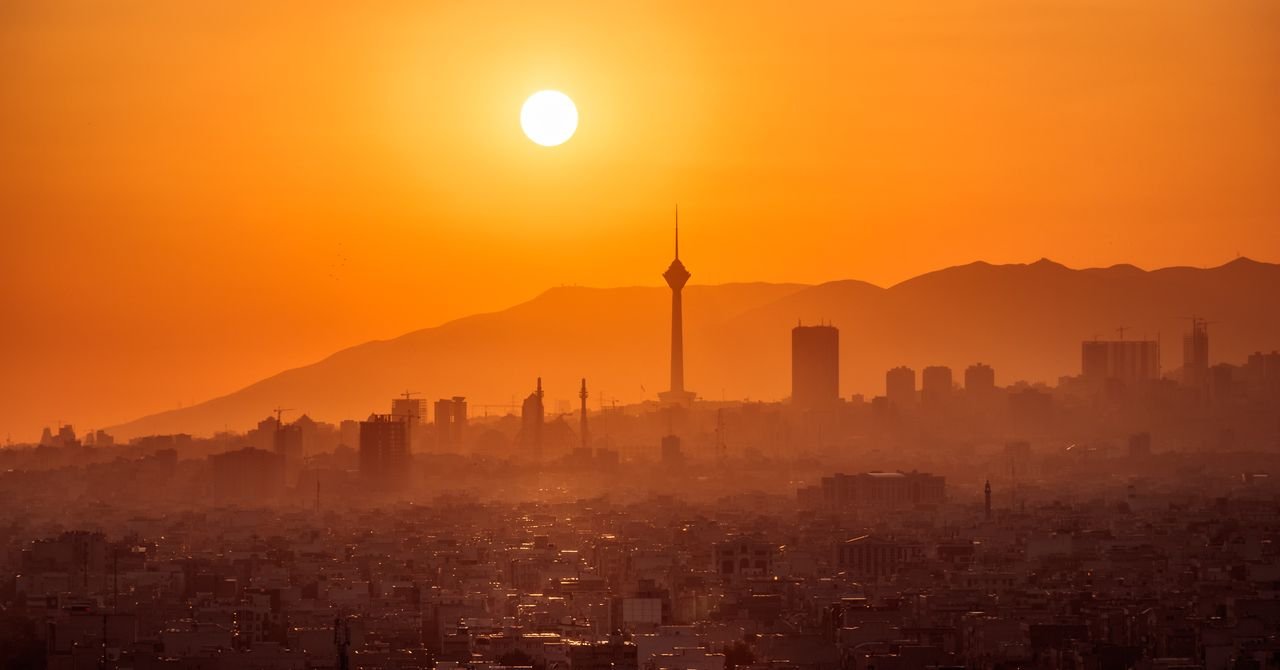
During the summer of 2025, Iran experienced an extraordinary heat wave, with daytime temperatures reaching 50 °C (122 °F) in many areas, including Tehran, and public offices and banks had to be temporarily closed. During this period, major reservoirs supplying the Tehran region reached record-low levels, and water supply systems came under severe strain. By early November, the reservoir behind the Amir Kabir Dam, the main source of drinking water for Tehran, had fallen to about 8 percent of its capacity. The current crisis reflects not only this summer’s extreme heat, but also several consecutive years of low rainfall and ongoing drought conditions across Iran. As a result, Iran’s capital now faces a potential “Day Zero” when the taps could run dry.
The drought rapidly disrupted Tehran’s urban system. Rivers and wetlands shrank due to dry soil and high evaporation. Falling reservoir levels led to disruptions in hydropower generation and water shortages that led to strict savings measures in some parts of the capital. Amidst these increasing pressures, officials warned that the capital city may have to be evacuated if the water supply is not restored. In November, President Massoud Pezeshkian said that the capital would have to be moved. These widespread impacts highlighted how vulnerable Tehran’s infrastructure, economy and communities have become under the stress of increasing heat and drought.
These widespread impacts are caused by the prolonged lack of rainfall in recent years (Figure 1a). Precipitation around Tehran generally peaks between December and April, allowing reservoirs behind the dams to refill before the onset of the dry summer. Over the past five years, rainfall during this wet period has consistently been below the long-term climate baseline, with the 2024–25 season showing the most pronounced and prolonged reduction of the entire rainy season. When such a long drought followed by an exceptionally hot summer, it increased hydrological stress across the region.

<a href