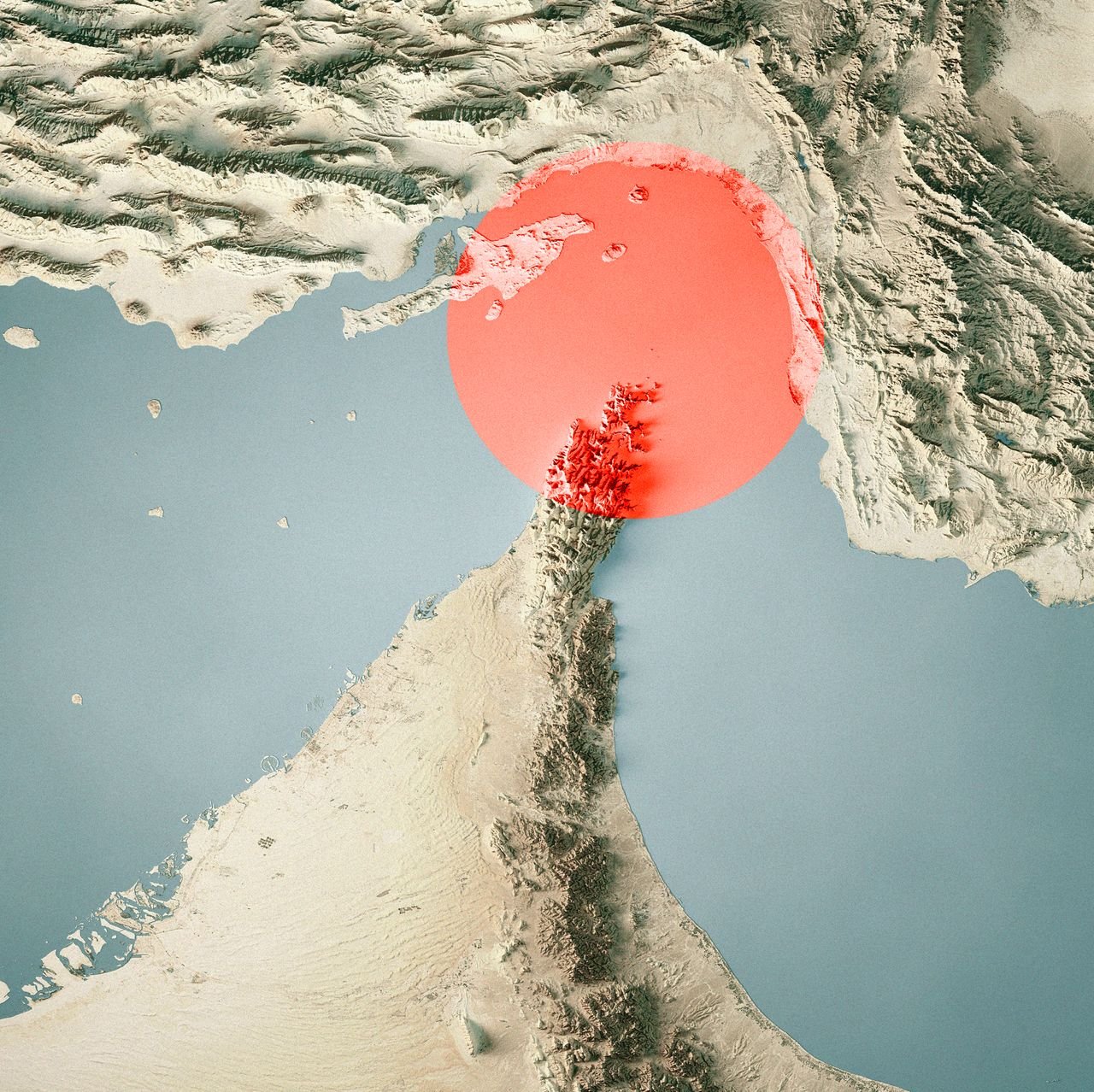
Analysis company Commodities at Sea Monitoring recorded outbound oil and product flows of about 20.4 million barrels per day on average so far in February, slightly below January levels – evidence that geopolitical tensions alone could slow shipments before any physical disruption occurs.
S&P Global CERA analysts said, “The Hormuz risk is not only about the closure, but also about the productivity of the fleet. If Iran moves forward by seizing tankers or using drones to threaten commercial traffic, travel time and possibly the cost of Middle East oil exports will further increase.”
Several shipping companies have already reported that they are avoiding the Strait of Hormuz and are expecting delays and rescheduling of shipments.
What would it mean to close the strait?
There is no alternative export system on a comparable scale. Saudi Arabia and the United Arab Emirates operate bypass pipelines, but these cover only a portion of Gulf flows, while Iraq, Kuwait and Qatar lack meaningful alternatives.
If the strait were formally closed, most oil exports from the Gulf would be cut off from the world almost immediately. Even if Saudi Arabia and the UAE pumped their alternative pipelines to the limit, analysts say about two-thirds of the Gulf’s exports would still be stuck.
LNG markets will also be affected. Qatar, the world’s largest exporter of liquefied natural gas – a super-chilled form of natural gas shipped by tanker – depends almost entirely on the Strait of Hormuz for its fuel exports.
If the route is blocked, Asian buyers could lose their key suppliers within days. Asian economies such as Japan, South Korea, China and India are heavily dependent on imported LNG to generate electricity.
Getting oil from elsewhere like the Atlantic would mean longer shipping times and higher costs, potentially pushing prices even higher.
How may this affect consumers
Historical modeling shows that a sudden reduction in Gulf supply could send oil prices rising sharply.
If that happens, the effects will likely reach global consumers: higher gas prices, more expensive airline tickets, and rising transportation costs that contribute to the price of food and goods.
Financial markets generally react before material shortages become visible, with oil futures rising sharply, transportation sector equities weakening, and currencies of major energy exporters strengthening as traders price disruptions at risk.
Strategic petroleum reserves could soften the blow, but release takes time and cannot fully substitute for the Gulf’s crude grades.
Inside the Gulf, halting exports would put immediate pressure on government finances. Countries such as Iraq, Kuwait and Qatar depend heavily on oil revenues for public spending. If shipments are halted, storage facilities could fill rapidly, forcing producers to cut production and lose income.
The shipping impact will extend beyond oil. Freight rates in bulk commodities and container shipping increase due to tanker rerouting, insurance renegotiations and navigational risk areas, affecting logistics around the world.
This story originally appeared on WIRED Middle East.
<a href