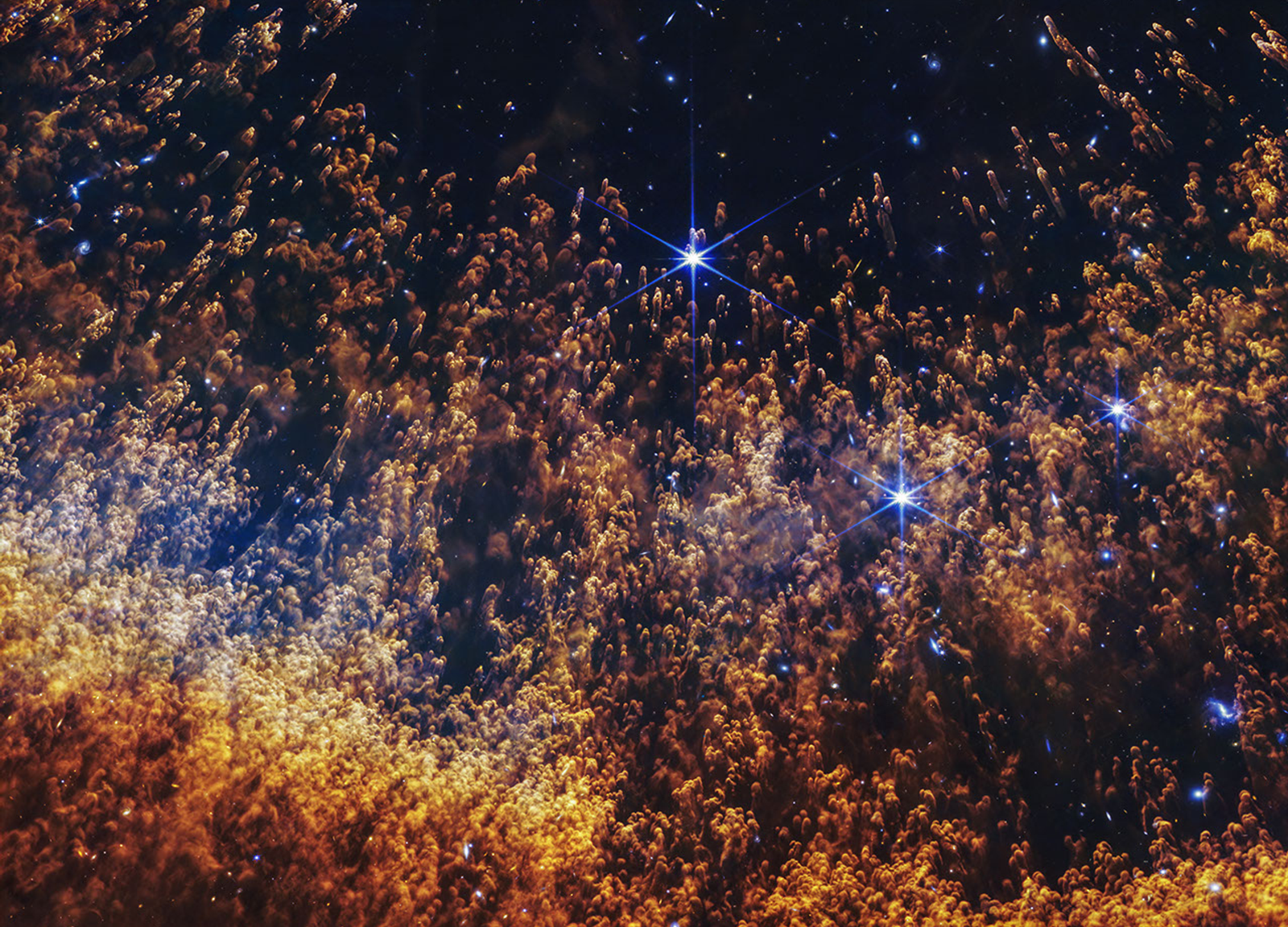
The Helix Nebula is one of the most famous and commonly photographed planetary nebulae because it resembles the “Eye of Sauron”. It is one of the nearest bright nebulae to Earth, located about 655 light years from our Solar System.
You probably wouldn’t know what this particular nebula looks like from reading its name, but the Hubble Space Telescope has taken some iconic images of it over the years. And almost certainly, you’ll recognize the photo of the Helix Nebula shown below.
Like many objects in astronomy, the name planetary nebulae is confusing, as they are not made of planets but of stars like our Sun, although slightly larger. Near the end of their lives, these stars release large amounts of gas into an expanding shell, putting on a spectacular display, even if only for a short period of time in cosmological time.
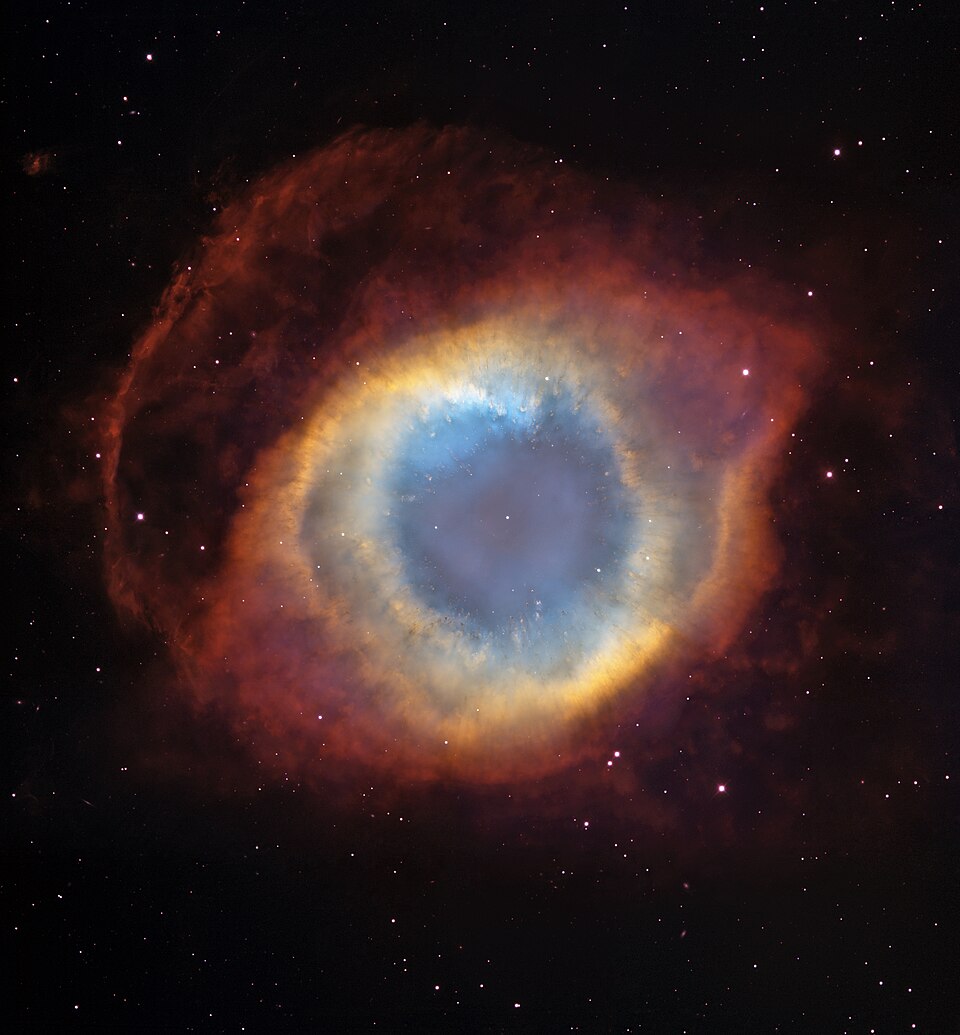
This is one of the Hubble Space Telescope’s iconic images of the Helix Nebula
Credit: NASA
This is one of the Hubble Space Telescope’s iconic images of the Helix Nebula
Credit: NASA
Now the James Webb Space Telescope has set its sights on the Helix Nebula, and, oh my, does it have a story to tell. NASA released new pictures of the nebula on Tuesday.
In this image, there are vibrant columns of gas in the inner region of the nebula’s extended envelope of gas. According to the space agency, this is what we’re seeing:
<a href