Sweet-toothed consumers are having to pay more for bottled milkshakes and some fizzy drinks after the government confirmed plans for a tougher sugar tax.
The levy, designed to tackle obesity, currently applies to drinks with a sugar content of up to 5 grams per 100 ml. However, following a public consultation this is being reduced to 4.5 grams per 100ml, meaning hundreds more products could be included.
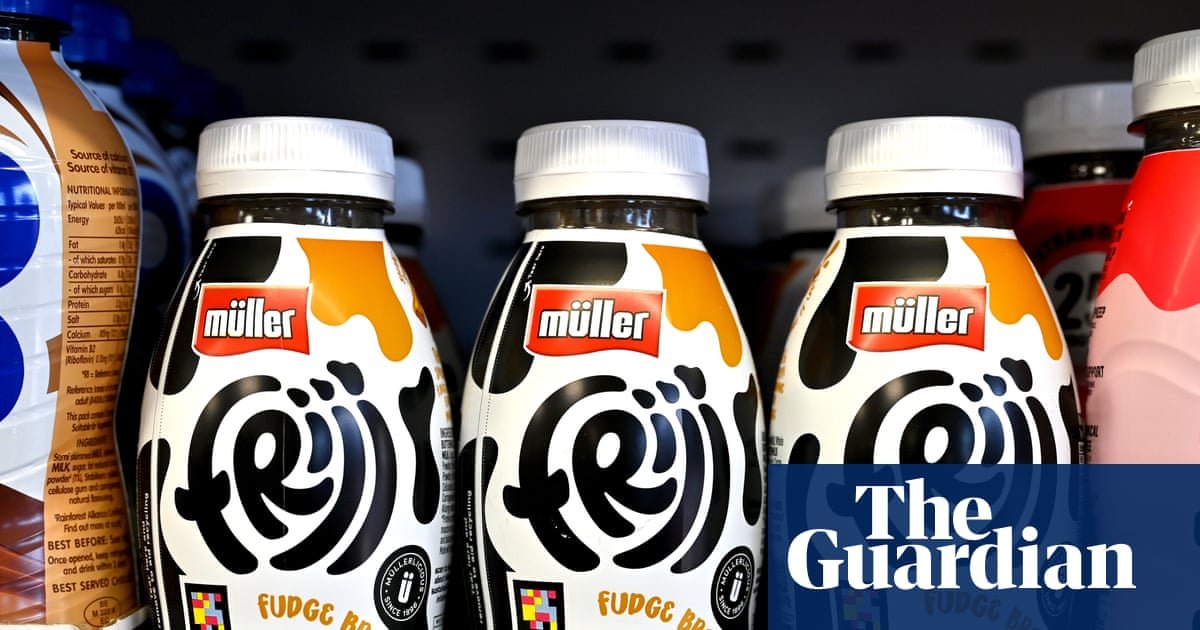
Health Secretary Wes Streeting told the Commons on Tuesday that exemptions for milk-based drinks would also end.
“We are expanding the soft drinks industry levy to include bottles and cans of milkshakes, flavored milk and milk-substitute drinks,” he said. “This government will not ignore this because children are becoming unhealthy and our political opponents are urging us to leave them behind.”
Changes will not happen immediately. A further consultation will take place before the law takes effect on 1 January 2028. This gives beverage manufacturers two years to change their recipes.
Officially called the Soft Drinks Industry Levy (SDIL), this tax applies to most sugary and fizzy soft drinks sold in cans, bottles and cartons in supermarkets.
Previously, milk-based beverages were exempt because they contain calcium, which is encouraged in the diets of children and youth. However, the high sugar content of some of these beverages has prompted reconsideration. “Lactose allowance” will take into account the presence of naturally occurring sugars in milk.
The tax does not apply to drinks made and served in cafes, restaurants and bars, meaning milkshakes, lattes and hot chocolates served on the high street are not affected.
The sugar tax was introduced by George Osborne in 2016 to tackle rising levels of obesity and was considered a success as it prompted many drinks manufacturers to change their recipes.
Between 2015 and 2019, about 65% of soft drinks that contained more than 5 grams of sugar per 100 ml were reformulated to bring them below the limit. Today, approximately 90% of drinks on sale contain sugar below the level at which the tax applies.
The government originally considered whether to reduce the sugar limit to 4 grams per 100 ml. Gavin Partington, director general of the British Soft Drinks Association, said the reset would be an “additional cost burden” for the industry, but he was “relieved” that the government did not go further.
After newsletter promotion
Drink makers had told officials they would struggle to come up with new, lower-sugar recipes, with drinks containing between 4 grams and 5 grams, the technically possible limit. Additionally, there will be taste issues for consumers.
Dentists welcomed the stricter rules. Dr Charlotte Eckhart, dean of the Faculty of Dental Surgery (FDS) at the Royal College of Surgeons of England, described the new criteria as a “significant victory for public health”.
The FDS had campaigned for cuts to 4G but Eckhart said increasing the levy was “a huge step towards protecting children’s oral health”.
“Tooth decay remains the leading cause of hospitalization in five- to nine-year-old children in England, overtaking other diseases such as acute tonsillitis,” he said.
Currently, drinks with at least 5 grams of sugar per 100 ml are taxed at 18 paise per liter and drinks with 8 grams or more of sugar are taxed at 24 paise per litre. The changes to the levy are expected to raise up to £45 million a year for the Exchequer.
<a href