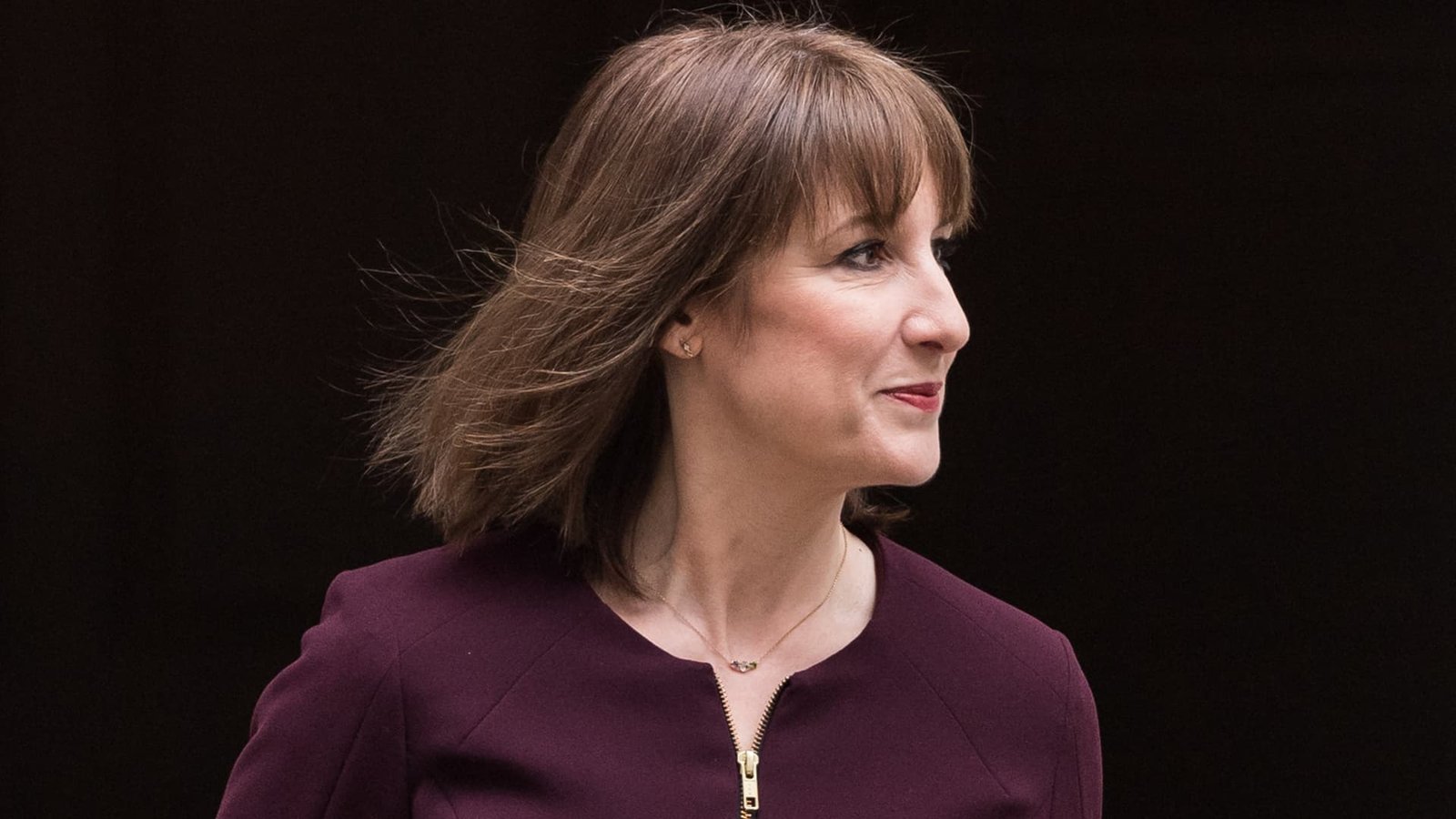
Wiktor Szymanowicz | Future Publications getty images
yield on benchmark 10 year gilt Last seen was an increase of 3 basis points to 4.52%. Yields fell by 4 basis points when the report was initially released, but rose by 4 basis points before the change in course.

UK 10-year-old gilt
The OBR was scheduled to publish its forecasts after the Budget, which Finance Minister Rachel Reeves will deliver to Parliament at 12:30 p.m. London time (7:30 a.m. ET).
In its report, the fiscal watchdog detailed tax-raising measures to be announced in the budget, including a cap on income tax caps, a tax on private pension contributions of more than £2,000 a year, a new mileage-based tax on electric vehicles and an annual tax on homes worth more than £2 million ($2.6 million).
The web page on which the forecasts were published is no longer accessible. An OBR spokesperson was not immediately available for comment.
Why do bond yields matter?
Ahead of the budget, investors told CNBC Bond Markets that Reeves wants to see public spending cuts and tax increases, which would be unpopular with voters.
Bond yields and prices move in opposite directions, so when investors are reluctant to lend to the government, bond prices fall and yields rise.
The UK government’s borrowing costs are currently the highest of any G7 nation, with its 30-year gilt yield well above the crucial 5% threshold and spending much of this year at multi-decade highs.
A dramatic increase in gilt yields – essentially the amount of interest a government pays on its debt – could also have a cascading effect on the overall economy.
While bond yields reflect the cost of borrowing for the governments that issue them, they can also affect mortgage rates, investment returns, the broader economy, and personal borrowing.
In 2022, Prime Minister Liz Truss triggered a bond selloff due to unfunded tax cuts, which had long-term effects on the economy and led to her resignation after only 44 days in the job.
This is a breaking news story. Please refresh for updates.
<a href=