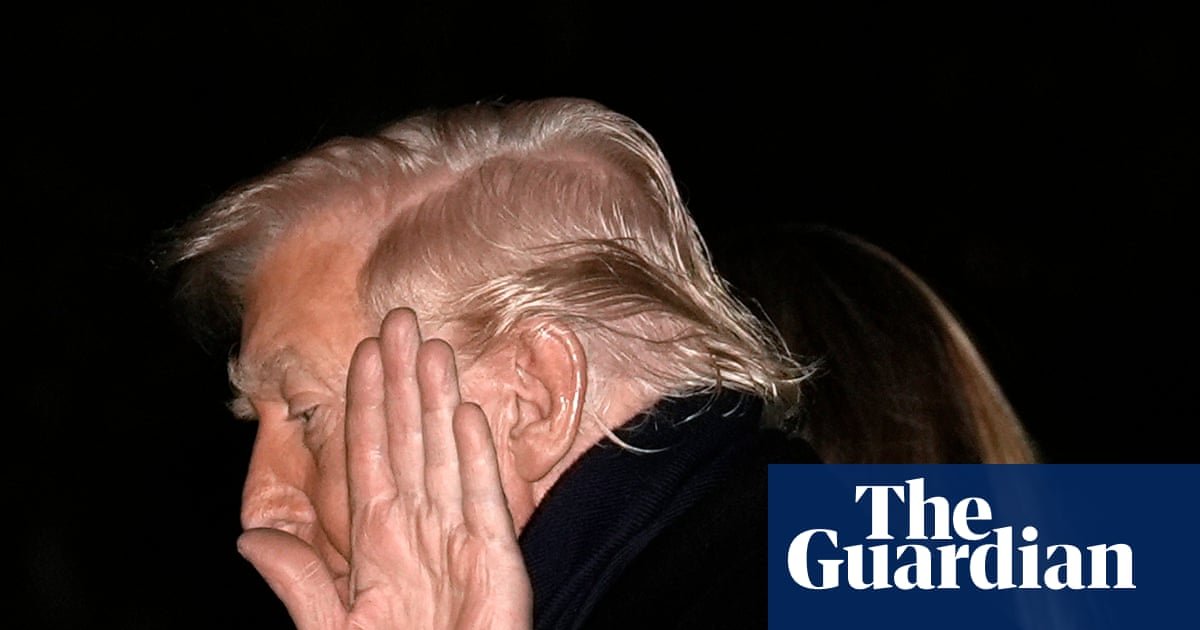
Donald Trump reportedly gave Nicolás Maduro an ultimatum to leave power immediately during his recent call – but the Venezuelan authoritarian leader rejected it and demanded a “global amnesty” for himself and his allies.
On Sunday, the US President confirmed the call had taken place, telling reporters: “I wouldn’t say whether it was good or bad, it was a phone call.”
Neither the US nor the Venezuelan government have offered further details about the topics discussed during the highly unusual talks, which are believed to have taken place on November 21.
But sources told the Miami Herald that the US president had sent a “clear message” to his South American counterpart, the centerpiece of a four-month pressure campaign in which Trump has ordered a massive naval deployment off Venezuela’s northern coast.
Trump reportedly offered safe passage to Maduro, his wife and his son, saying, “You can save yourself and those close to you, but you have to leave the country right now.”
However, the Venezuelan president reportedly refused to step down immediately and reportedly made several counter-demands, including immunity from prosecution worldwide and being allowed to give up political control, but maintaining control over the armed forces.
The newspaper said there were no direct contacts between Trump and Maduro, although Maduro reportedly requested a second call last weekend after Trump declared Venezuelan airspace “completely closed.” The Miami Herald claimed, “The Maduro government… received no response,” in the first discussion which was brokered by Brazil, Qatar and Turkey.
Despite leaked claims that Trump had given Maduro an ultimatum, many observers doubt that the US president intends to back up those threats with large-scale military action.
“Maduro and most of his allies view the U.S. military threats as a bluff,” a source with regular contact with top Venezuelan officials told the Wall Street Journal last month.
Since his election in 2013, Venezuela’s leader has survived a number of crises, including Trump’s first-term “maximum pressure” campaign, several rounds of mass protests, a historic economic recession, a 2018 assassination attempt and a clear defeat in last year’s presidential election, which Maduro is widely believed to have lost to former diplomat Edmundo Gonzalez.
On Sunday, the Wall Street Journal urged the Trump administration to continue increasing pressure on Venezuela and said it believed “deposing Maduro is in the U.S. national interest”. Its editorial board said: “If Maduro refuses to go, and Trump holds back on taking action to remove him from office, Trump’s and America’s credibility will suffer.”
In an effort to find a peaceful solution, Colombian President Gustavo Petro offered the Colombian city of Cartagena as a possible location for negotiations between Maduro’s regime and the Venezuelan opposition.
In a letter to the Organization of the Petroleum Exporting Countries published Sunday by Venezuelan state media, Maduro accused the US of trying to “take over Venezuela’s vast oil reserves – the largest on the planet – through the lethal use of military force.”
<a href