The mother and two children died between 13 and 14 November; The father and husband of the deceased had died on 17 November.
A preliminary autopsy report filed with the prosecutor’s office in Turkey cited the presence of phosphine in samples taken from the family’s hotel room, according to the state news agency. Andalu.
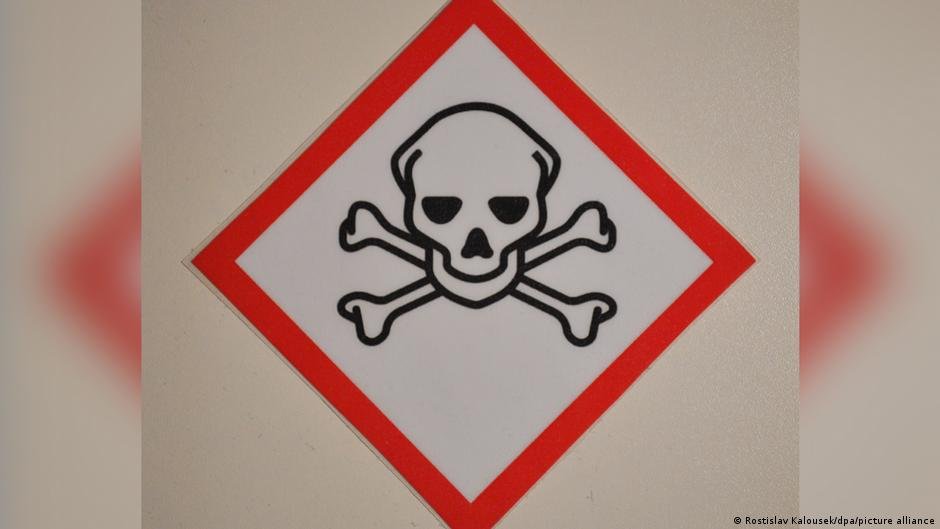
This brings the role of phosphine-producing pesticides back into focus and follows several similar incidents in Turkey as well as elsewhere in the world.
“Preliminarily, it is believed that he died as a result of chemical poisoning due to the conditions at the hotel where he stayed,” excerpts from the preliminary report said.
Initially, the family was suspected of being victims of food poisoning after eating at several street food vendors in Istanbul’s popular Ortaköy district. Several people associated with local food providers visited by the family were arrested. However food poisoning has now been ruled out as the cause of the deaths.
Caution: Use deadly pesticides with caution
The Fatih District Hotel, where the family was staying before being hospitalized, was evacuated when the possibility of chemical poisoning first emerged.
Reports revealed that pesticides used to control bedbug infestations had leaked into the family room through the hotel’s ventilation system.
This suggestion has once again raised concerns about the use of industrial chemicals in settings that may pose high risks to human life.
Such chemicals include metallic phosphides, which are effective as pest controllers but can cause serious illness and death if mishandled.
One such pesticide is aluminum phosphide (ALP), which is reportedly used in hotels.
ALP is a chemical compound commonly used in grain stores to kill insects and prevent crop damage. It is used away from humans, such as inside rodent burrows. It is licensed for agricultural use in Türkiye and several other countries.
When exposed to moisture in the air, the solid chemical reacts and releases phosphine gas, which is lethal to animals. Early symptoms of poisoning include vomiting or coughing up blood. It was reported that the deceased’s family had experienced these symptoms.
Cavit Isik Yavuz, a public and environmental health physician at Hacettepe University, told DW that ALP is generally not permitted for home use.
“According to Turkish law, ALP can be used as a plant protection product in storage facilities for products such as grain, wheat and maize, but not in areas defined as public health areas, such as homes, hotels and workplaces. The (Turkish) Ministry of Health monitors the use of biocides in areas defined as public health areas,” said Yavuz, who recently co-authored a report. To review the correct use and management of the compound.
Phosphine is not recommended for pest control
Although phosphate pesticides are recommended for large grain stores and applied only by licensed professionals, the chemical is often diluted to reduce risk to workers and the public.
“Regulations and inspections as well as individuals’ awareness of biocidal products require them to be aware of the potential dangers of these products,” Yavuz said. “Trained professionals must apply the correct products to the appropriate locations while taking the necessary precautions.”
Like Türkiye, many countries ban the use of metal phosphide to remove bedbugs.
But enforcement and control of these substances can be limited, and products such as ALP have been used extensively to deal with rodents and insects in middle- and low-income countries.
Turkey has seen deaths due to misuse of ALP before. In 2023, a case of its use for bedbug control resulted in the death of a mother and child, and 10 other people were hospitalized. Other incidents of suspected ALP poisoning were recorded in 2024, including the death of a German student when similar pesticides were reportedly used in an apartment below his apartment. That case is now being investigated by German authorities.
And other cases have also been reported around the world. In 2015, a similar bedbug control incident using ALP illegally imported from Pakistan in a Canadian apartment killed two children and hospitalized four other family members.
Bed bug control is possible with simple hygiene
Health agencies around the world have different guidelines for controlling bed bugs, which are small, flat, and red blood-sucking insects.
Mostly, they recommend keeping bedrooms clean and clutter-free, as these insects like to live in tight spaces.
Bed bugs can commonly be found in mattress folds, around bed frames, on bedroom furniture, and in cracks in floors and walls.
In addition to professional pest controllers, good bedroom hygiene can also help prevent infestations.
While folk and home remedies such as vinegar sprays and essential oils are sometimes suggested, there is little scientific evidence for their effectiveness.
The most reliable method of controlling bed bugs, recommended by most health authorities, is to regularly wash and dry bedroom linens at high temperatures, vacuum bedsheets, bed frames and mattresses, and steam infested areas of the bedroom at 50°C (120°F).
If professionals are used, ensuring they use approved and human-safe pesticides is also a good idea.
Edited by: Zulfikar Abbani
This story was updated on November 26, 2025, following reports that chemical poisoning was being investigated by prosecutors as the sole cause of death of the German-Turkish family.
<a href